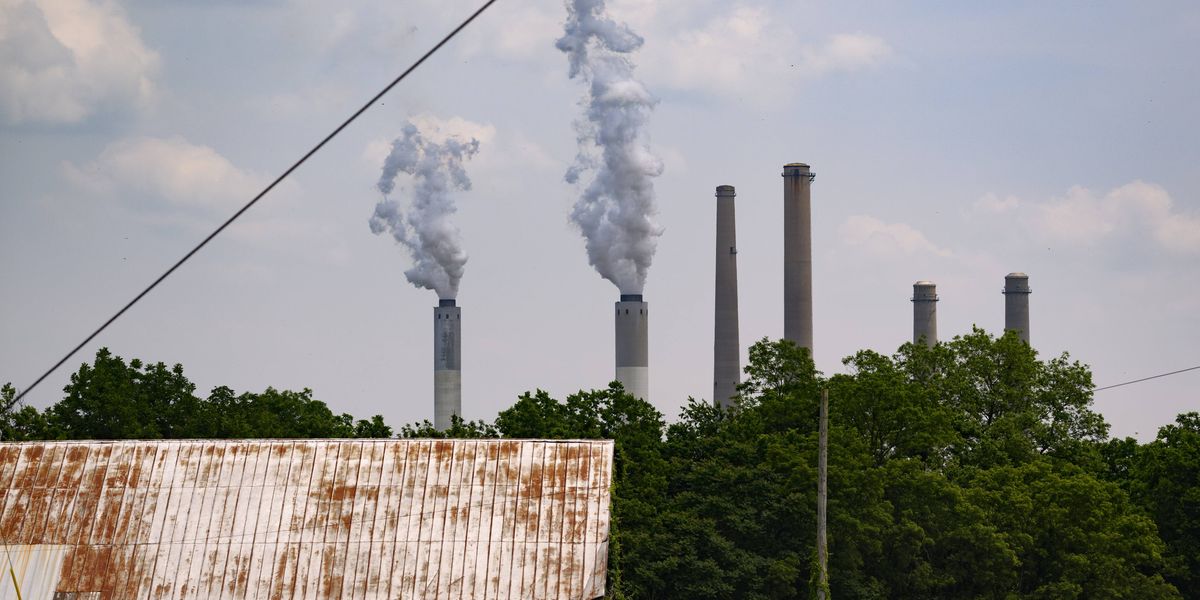
The proposed reversal targets 2024 Biden-era rules that mandated a 90% reduction in carbon emissions for many plants by 2032. Beyond simply scrapping these standards, the EPA is seeking a legal reinterpretation of the Clean Air Act. The agency is pushing courts to adopt a narrow definition of pollution, arguing that each individual chemical must independently be proven to contribute significantly to climate change—a standard experts suggest is designed to cripple the government's regulatory authority.
Legal challenges are already mounting. Meredith Hankins of the Natural Resources Defense Council pointed out that the U.S. power sector accounts for 25% of national emissions, noting that if the sector were a country, it would rank as the world's fifth-largest emitter. The move arrives during a record-breaking year for climate-related disasters, including extreme heat, wildfires, and floods.
Industry advocates within the administration are moving rapidly to fulfill a broad deregulation agenda. Beyond greenhouse gases, the EPA is rolling back protections against mercury, toxic metals, and coal ash disposal. Holly Bender of the Sierra Club described the administration's actions as "full-throated climate denial," promising a vigorous legal and legislative fight. Meanwhile, the agency continues to restructure its internal operations, dismantling climate data offices and shifting research panels toward industry-aligned scientists. Former State Department official Alan Eyre characterized the shift as a move from traditional obstructionism to what he termed "actively malevolent" policy.



Comments (0)
No comments yet. Be the first!