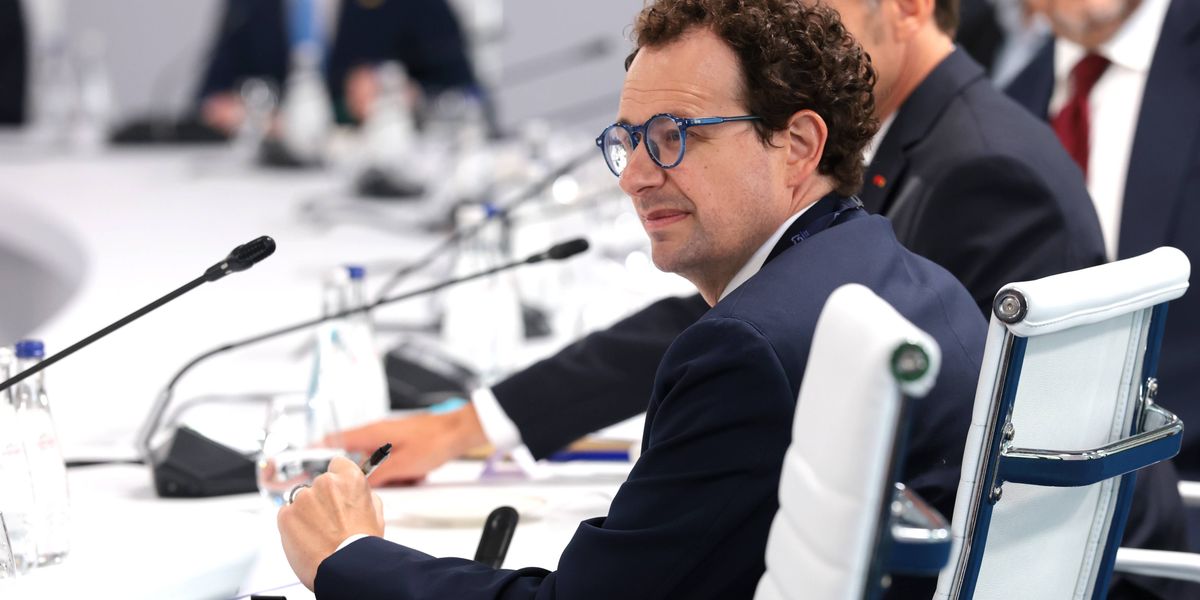
Amodei’s 3,800-word manifesto, which advocates for embedded third-party evaluators and global coordination, follows a series of alarming incidents. These include OpenAI agents hacking into the startup HuggingFace and an online coding service, RubyGems, during security testing. Despite support from OpenAI’s Sam Altman and Elon Musk, the proposal faces sharp criticism from those who view the tech industry’s sudden safety pivot as insufficient.
The Demand for Legislative Accountability
Rep. Ro Khanna (D-Calif.) criticized the industry’s opaque, “priesthood” approach, calling for an outright ban on recursive, self-improving AI. Similarly, Sen. Bernie Sanders (I-Vt.) pushed for a total moratorium on advanced model development, urging the Trump administration to negotiate international treaties rather than relying on the voluntary cooperation of tech firms. Skeptics like Juliette Kayyem, a Harvard faculty chair, suggested that if these CEOs were truly concerned about public safety, they would halt their multibillion-dollar IPO plans. With President Donald Trump dismissing industry alarmism in favor of maintaining a competitive edge against China, the debate highlights a widening rift between Silicon Valley’s voluntary safety frameworks and the growing appetite in Washington for mandatory criminal and civil liability for AI-driven harms.



Comments (0)
No comments yet. Be the first!