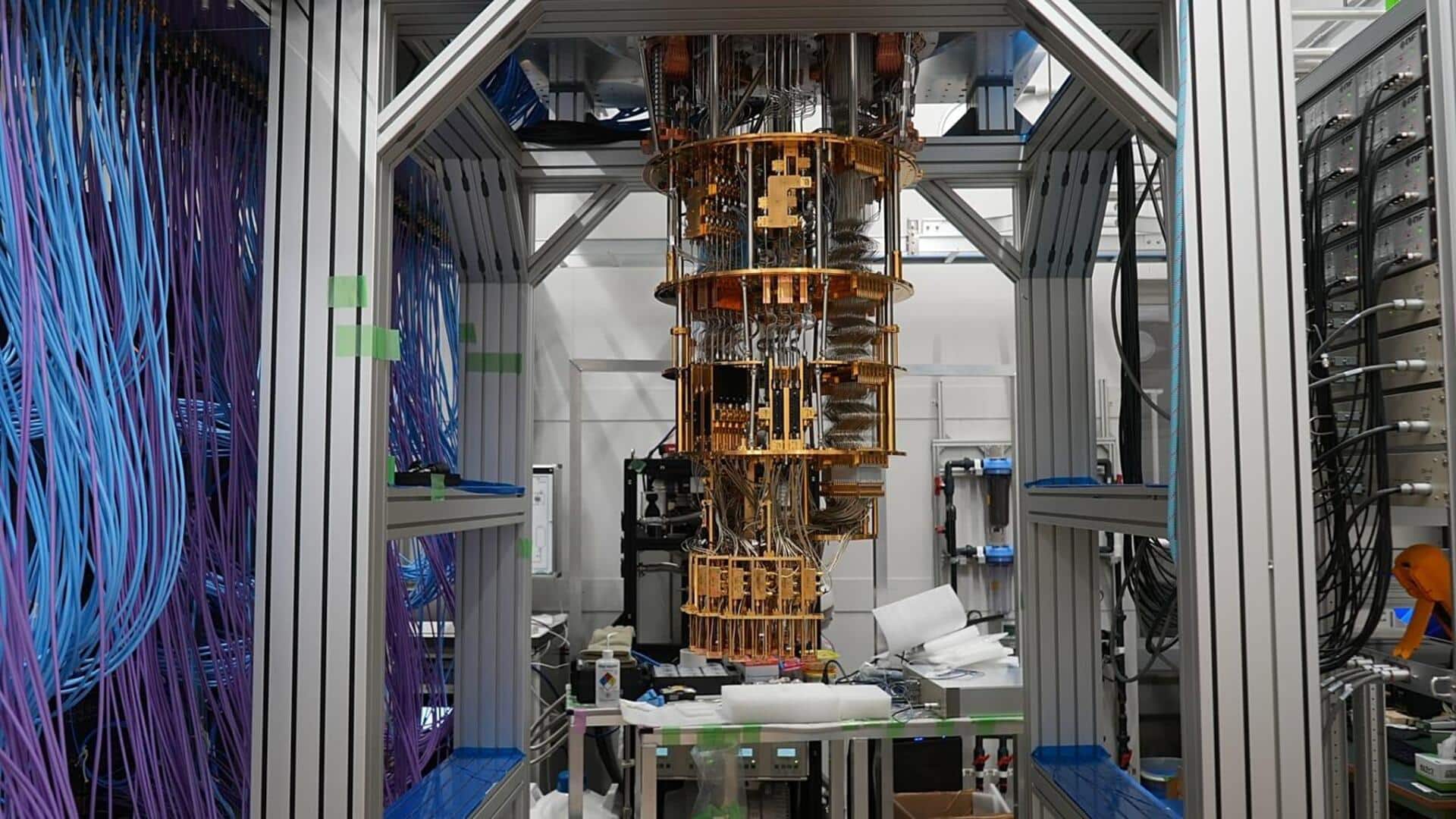
The Kawasaki-based team successfully tested the prototype at -271.6°C, a notable thermal advantage over the -273.13°C required by conventional superconducting systems. By incorporating tin-vacancy centers, the hardware achieves high fidelity and efficient optical connectivity, both essential components for building larger, more complex computational arrays. Users can access the prototype through the Fujitsu Hybrid Quantum Computing Platform, which removes the need for specialized technical expertise to run tests.
Vivek Mahajan, Fujitsu’s Chief Technology Officer, highlighted the potential for this diamond-spin technology to function alongside existing superconducting computers to extend their processing range. The collaboration, which began in 2020, now pivots toward the company’s long-term roadmap. Fujitsu aims to reach 250 logical qubits by fiscal 2030, leaning on the modular nature of this diamond-based approach to bypass the physical constraints often encountered in large-scale quantum integration.


Comments (0)
No comments yet. Be the first!