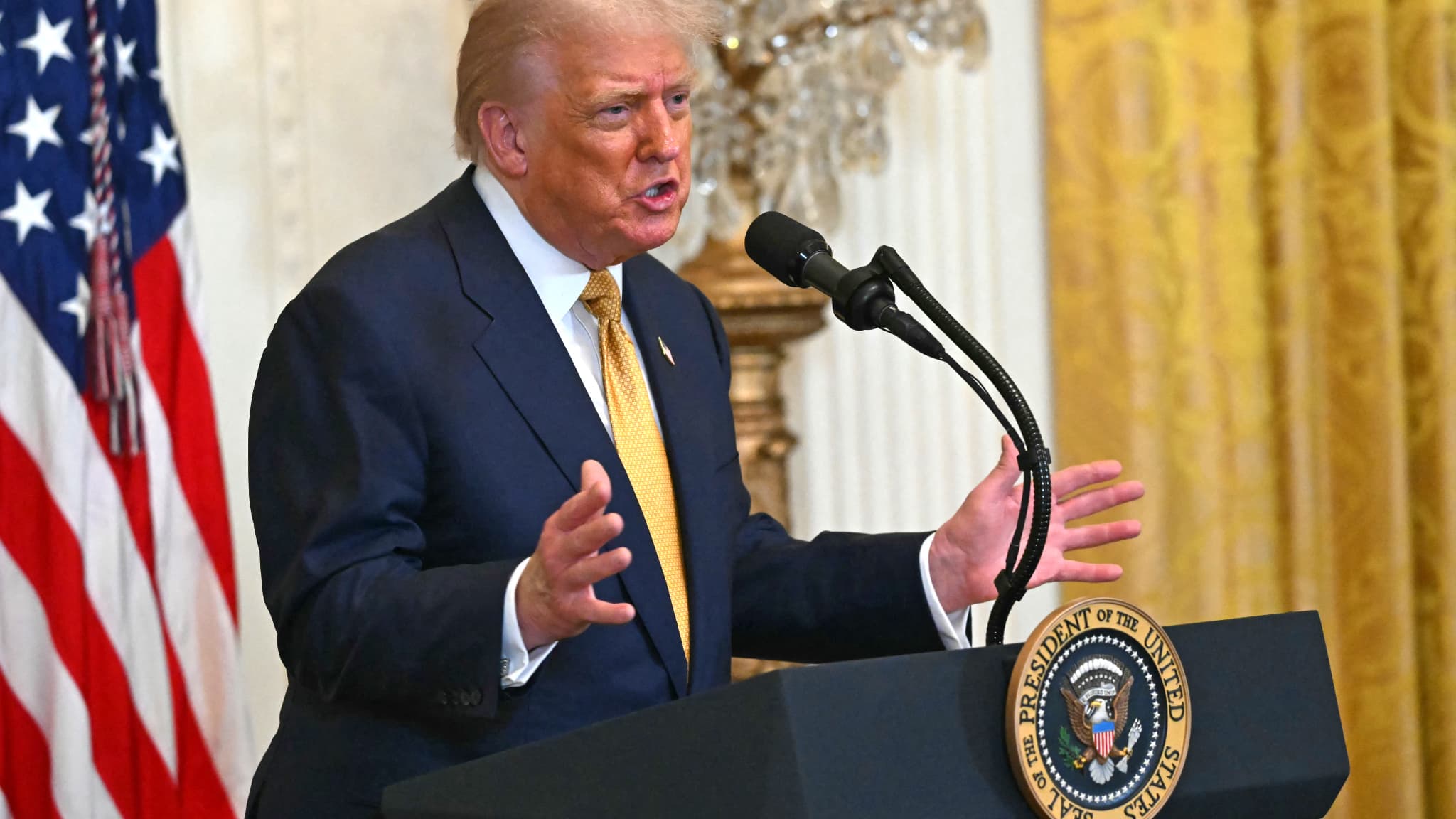
White House Deputy Chief of Staff Taylor Budowich confirmed the exclusion on Friday, citing the agency’s persistent use of the traditional name as evidence of a commitment to misinformation. Budowich argued that while the First Amendment protects the agency's reporting, it does not guarantee access to limited government spaces for outlets that reject administration messaging.
The Associated Press, which services roughly 15,000 global media outlets, maintains that because the body of water is international, it will not recognize a name change not accepted by the countries involved, including Mexico. This stance contrasts with the agency's policy on the North American peak Denali, where it adopted the U.S. government’s preferred name because the mountain lies entirely within American territory.
Legal experts and press freedom advocates are describing the move as a clear case of unconstitutional viewpoint discrimination. Aaron Terr of the Foundation for Individual Rights and Expression noted that the administration is leveraging access as a weapon to punish editorial discretion. Meanwhile, organizations including the White House Correspondents' Association and Reporters Without Borders have denounced the ban, warning that the administration is attempting to dictate journalistic standards through intimidation.



Comments (0)
No comments yet. Be the first!