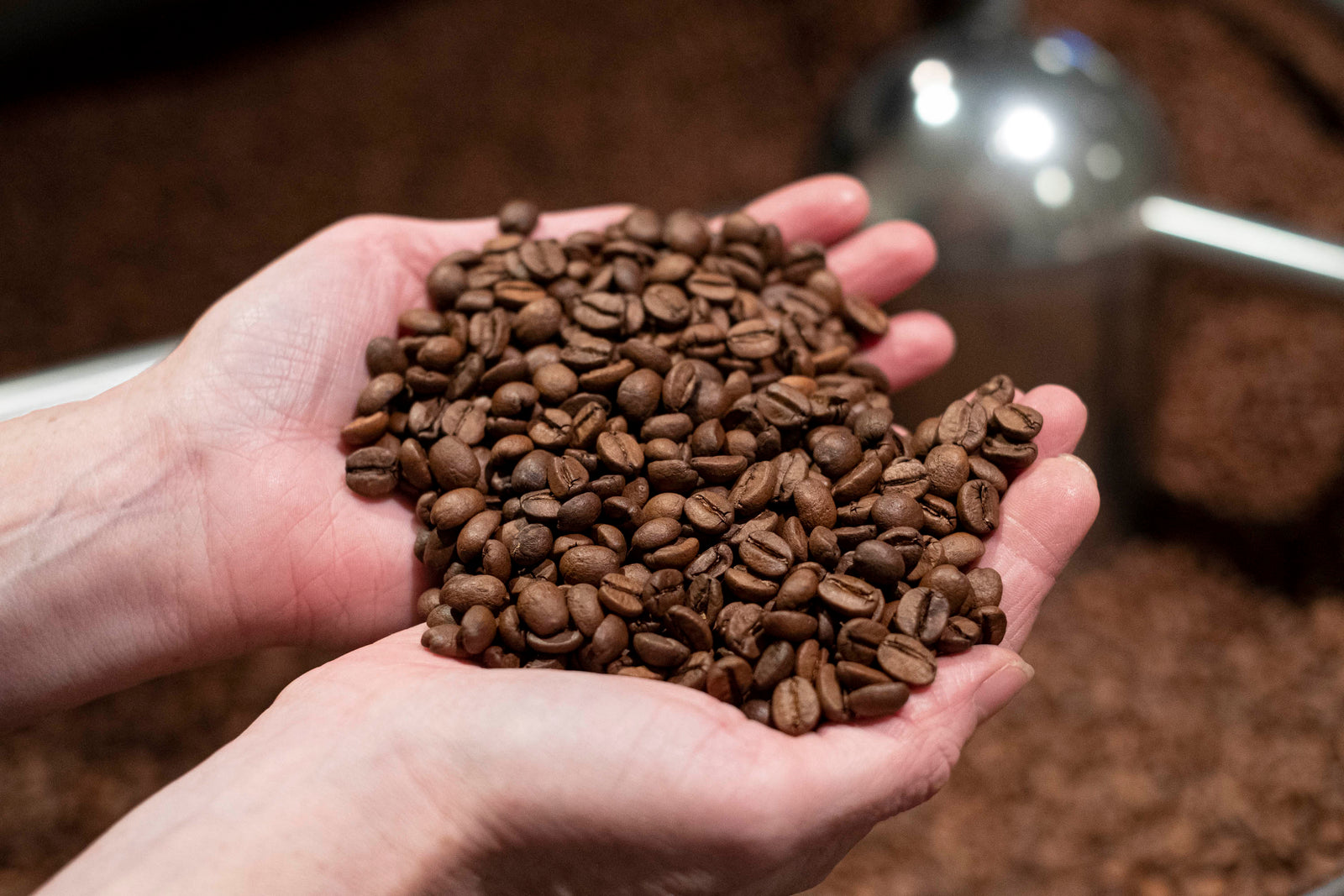
Modern decaffeination methods—including the Swiss Water Process and supercritical carbon dioxide extraction—are effectively bridging the long-standing quality gap between standard and decaf beans. By removing caffeine while retaining the original aroma and body, producers are successfully rebranding decaf as a sophisticated choice for those seeking to avoid sleep disruption or caffeine sensitivity without sacrificing the coffee ritual. This evolution is supported by major industry players like Nestlé and Starbucks, who are heavily investing in ready-to-drink and at-home specialty formats to meet rising demand.
Europe remains the dominant market, accounting for over 40% of global revenue due to established consumption habits and a penchant for sustainable, high-quality products. However, the Asia-Pacific region is emerging as the fastest-growing territory. Rapid urbanization and the proliferation of café culture in markets like China, Japan, and South Korea are drawing significant attention from global roasters. Despite technical challenges in production and lingering consumer perceptions regarding flavor, the industry’s shift toward premiumization and strategic partnerships suggests a robust trajectory for the coming decade.


Comments (0)
No comments yet. Be the first!