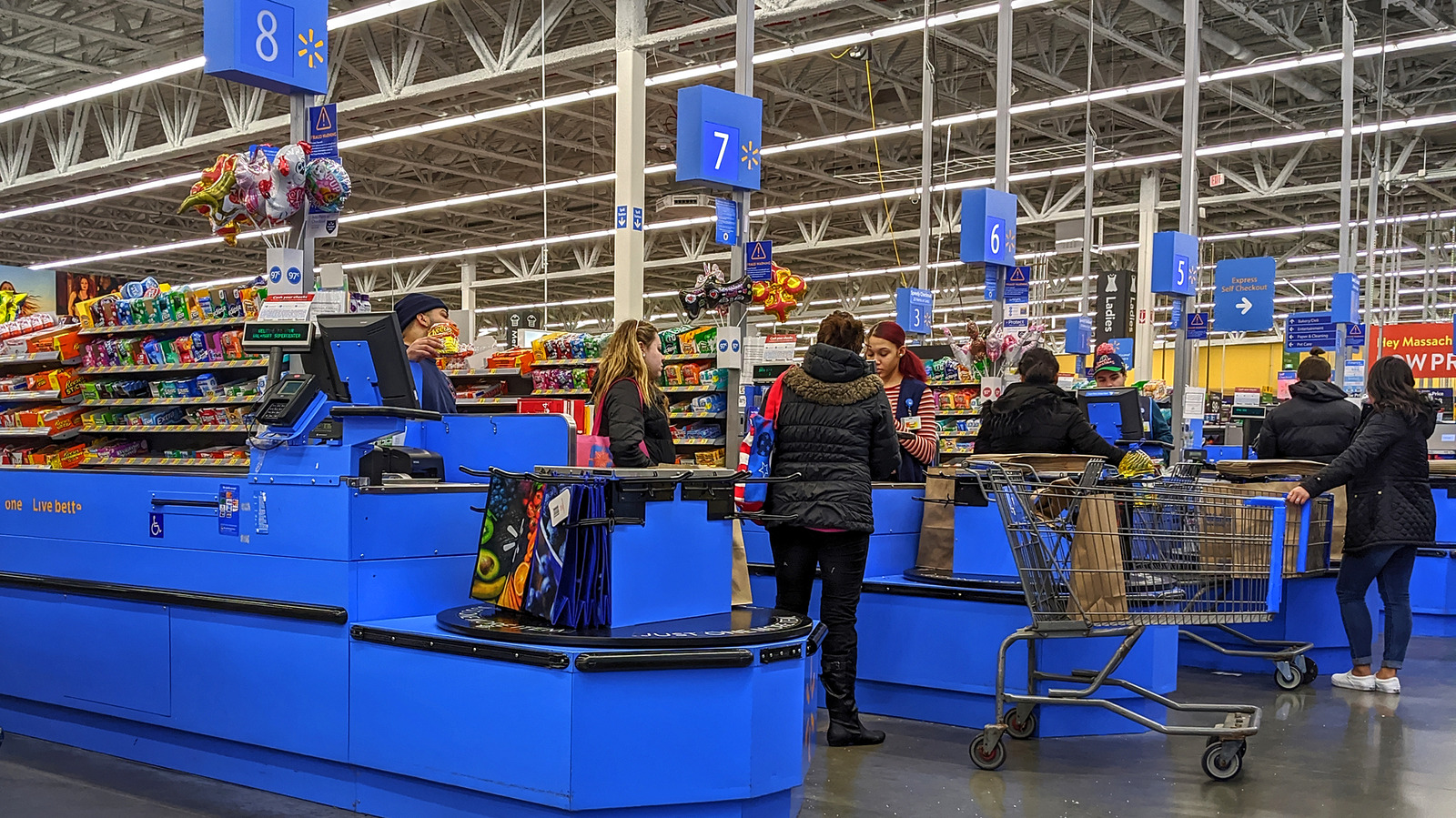
The retail landscape saw a wave of strategic shifts throughout August as companies balanced automation with the realities of consumer behavior. Walmart’s move to embrace NFC-based payments by year-end signals the decline of its closed-loop payment strategy, acknowledging that the convenience of third-party mobile wallets is now a non-negotiable expectation for shoppers. While proprietary systems once promised total ecosystem control, the market has proven that friction-free transactions remain the ultimate priority for maintaining foot traffic.
Elsewhere, AI and robotics continued to reshape operational efficiency. Marks & Spencer became the first to deploy AI-powered video analytics across its entire milk pool, using computer vision to monitor animal welfare in real-time. Meanwhile, Sainsbury’s faced a public relations challenge after a customer was wrongly flagged by facial recognition technology. Despite the incident, the retailer reaffirmed its commitment to the system, citing a 99.98% accuracy rate and emphasizing that the error stemmed from manual handling rather than the software itself. These developments underscore a growing tension: as retailers race to integrate advanced intelligence, the margin for human error—and the necessity for oversight—remains a critical point of failure.


Comments (0)
No comments yet. Be the first!