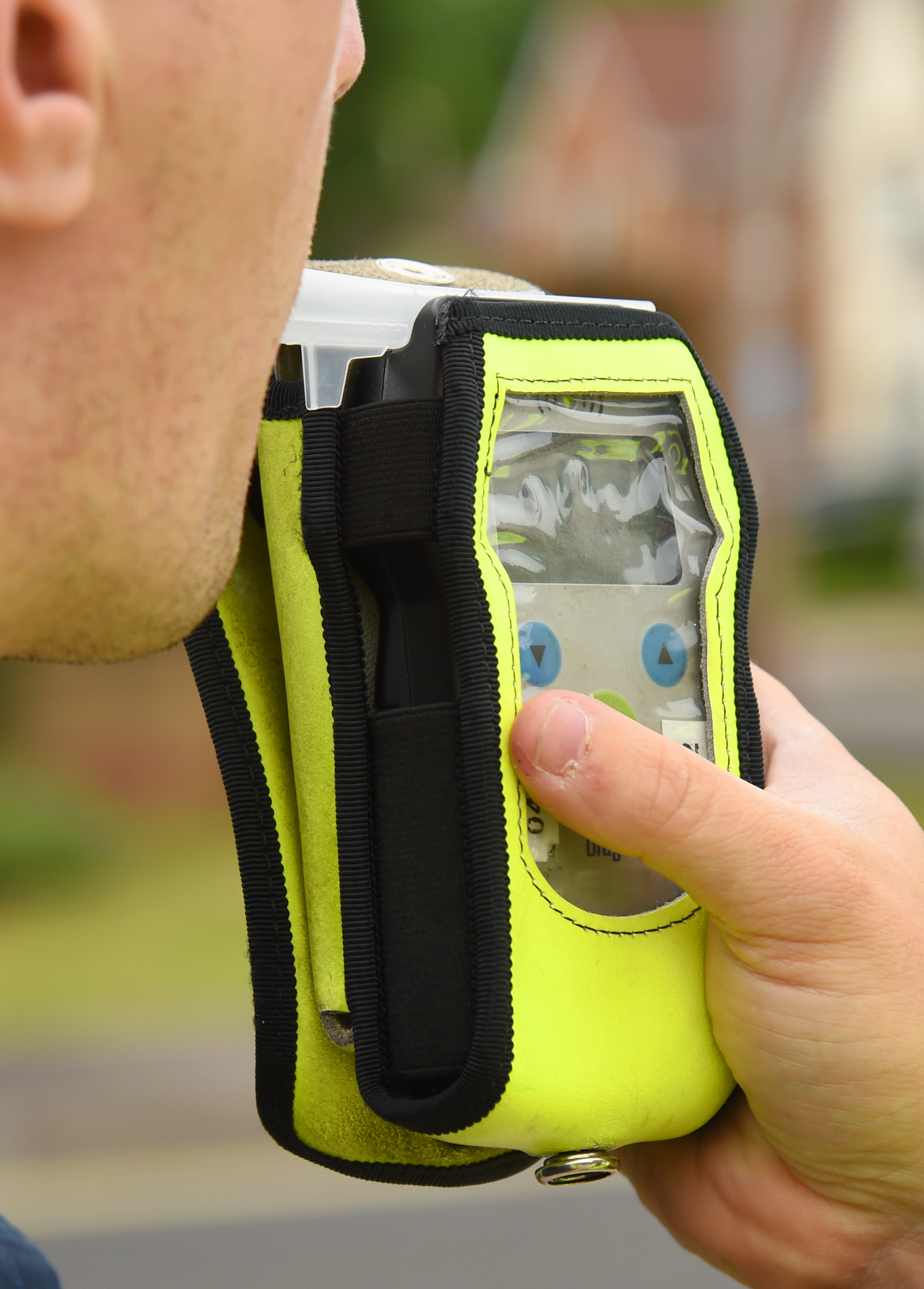
The statute dictates that by merely driving in Kansas, individuals consent to breath, blood, or urine tests if an officer has reasonable grounds to suspect impairment. This requirement does not necessitate a separate signed agreement; rather, it is a built-in condition of using the state’s road network. Officers typically trigger this process after observing signs of intoxication, such as erratic driving or slurred speech, before formally requesting a test and explaining the potential consequences of a refusal.
While motorists technically possess the ability to decline a chemical test, doing so does not automatically halt a DUI case. Prosecutors may still build a case using field sobriety results, dash camera footage, and officer testimony. Furthermore, law enforcement can seek a search warrant to compel a blood draw, which may be performed by force if necessary. Refusing a test also carries significant administrative penalties, including license suspension and mandatory ignition interlock device requirements, alongside the risk that the refusal itself may be used as evidence during subsequent criminal proceedings. Given these complexities, legal counsel is often essential to navigate the immediate aftermath of a DUI investigation and protect one's driving privileges.


Comments (0)
No comments yet. Be the first!