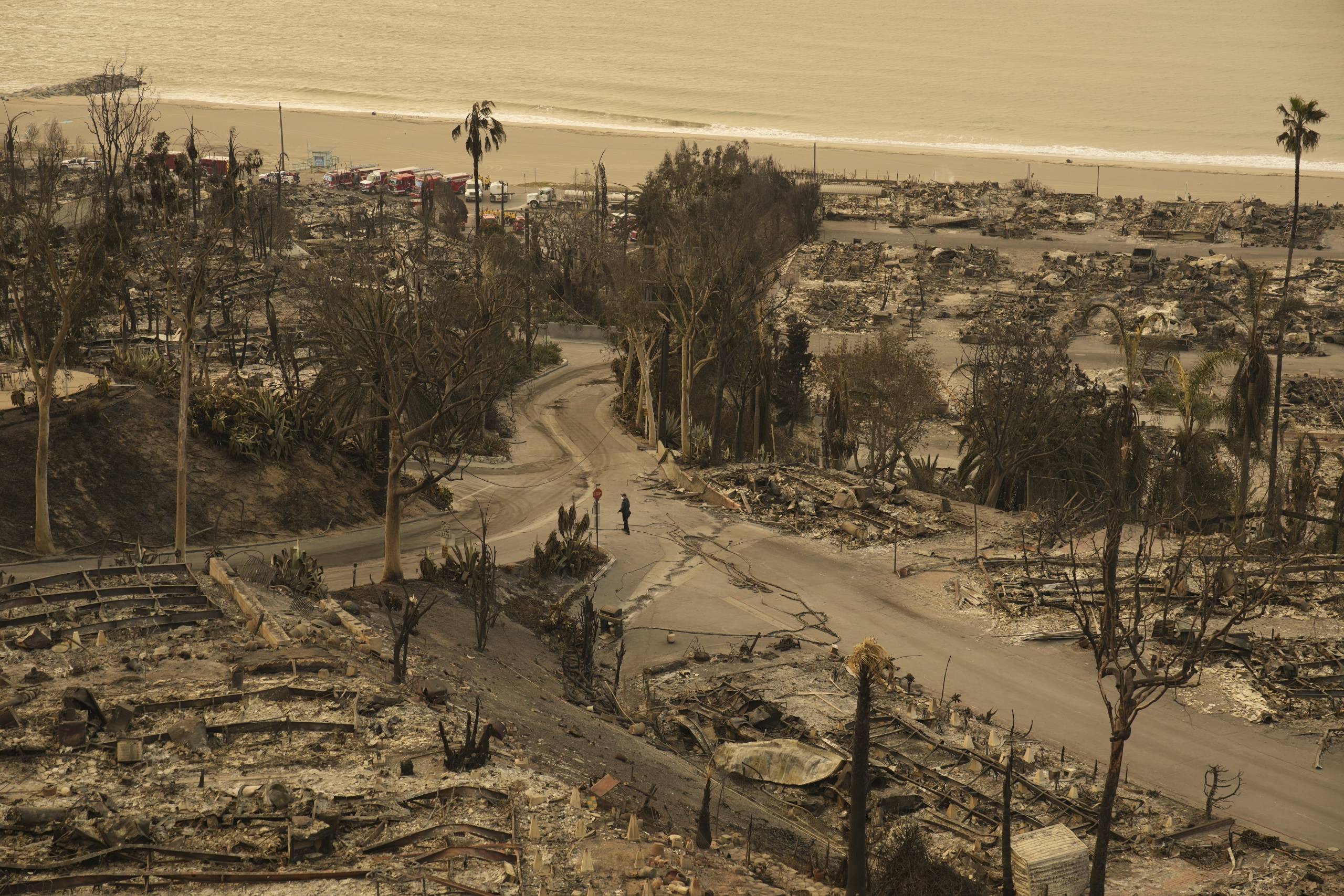
The amended legislation, authored by Senator Josh Becker and Assemblymember Cottie Petrie-Norris, marks a significant shift from earlier proposals that threatened to cap recovery damages and restrict the legal rights of families affected by wildfires. Following weeks of intense advocacy—backed by 4,700 individuals and organizations representing 3.5 million Americans—lawmakers opted to preserve the ability of survivors, private businesses, and local governments to hold utilities accountable through the courts.
Under the final language, SB 492 introduces a Fast Pay program designed to accelerate compensation for victims, but it explicitly maintains the right to discovery. This allows for essential evidence-gathering before any legal stay is applied, ensuring that the origins of future fires remain transparent. Joy Chen, Executive Director of Every Fire Survivor's Network, credited Senate pro Tem Monique Limón for her leadership during the negotiations, describing the outcome as a rare instance of elected officials prioritizing constituents over corporate interests.
Despite the win, advocates note that the core issue of utility-caused disasters remains unaddressed. With three of the five costliest wildfires in history linked to the state’s for-profit utility monopolies, survivors are already preparing to push for more aggressive prevention and accountability measures when the Legislature reconvenes in January. The focus will shift to the Survivor-First Proposal, which seeks to ensure that the billions collected annually for wildfire mitigation are spent effectively rather than used to offset liability.



Comments (0)
No comments yet. Be the first!