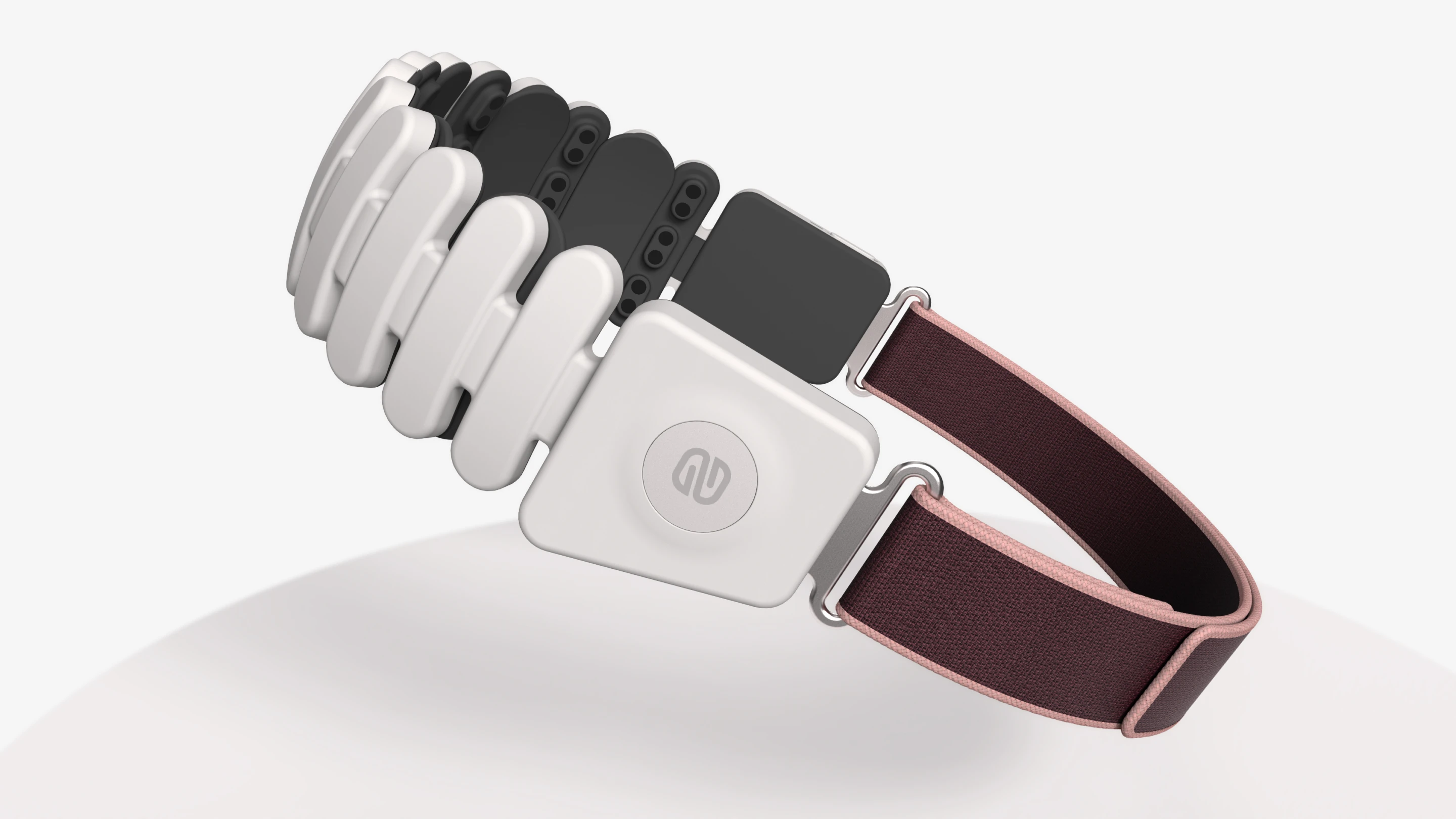
The Kantar Sleep Wearable HUT Final Report tracked 51 US participants, noting that 35% of users felt significant changes within the first three days of the trial. Data indicated that the percentage of nights users categorized as "good" rose from 34% to 43% by the end of the week. Participants specifically highlighted faster sleep onset and higher satisfaction upon waking as the primary benefits compared to their personal baselines.
NeuroRester’s technology utilizes an AI-driven engine that processes inputs from wearable sensors and user check-ins to adjust nightly support settings. This approach builds on earlier 2019 research conducted at Harvard Medical School and Brigham and Women’s Hospital, which explored how structured pre-sleep signaling might influence rest. CEO Jack Wang stated that the company’s objective is to evolve the physiological premise of daytime flow signals into a practical tool for energy and sleep management.
While traditional wearables primarily serve as monitoring tools, this system aims to intervene in user wind-down routines. Following the study, the company opted to bypass a planned Kickstarter campaign in favor of direct online sales, with full retail availability scheduled for early September at neurorester.com. The brand maintains that while these results reflect positive user-reported outcomes, the device is not intended to diagnose or treat medical conditions.


Comments (0)
No comments yet. Be the first!