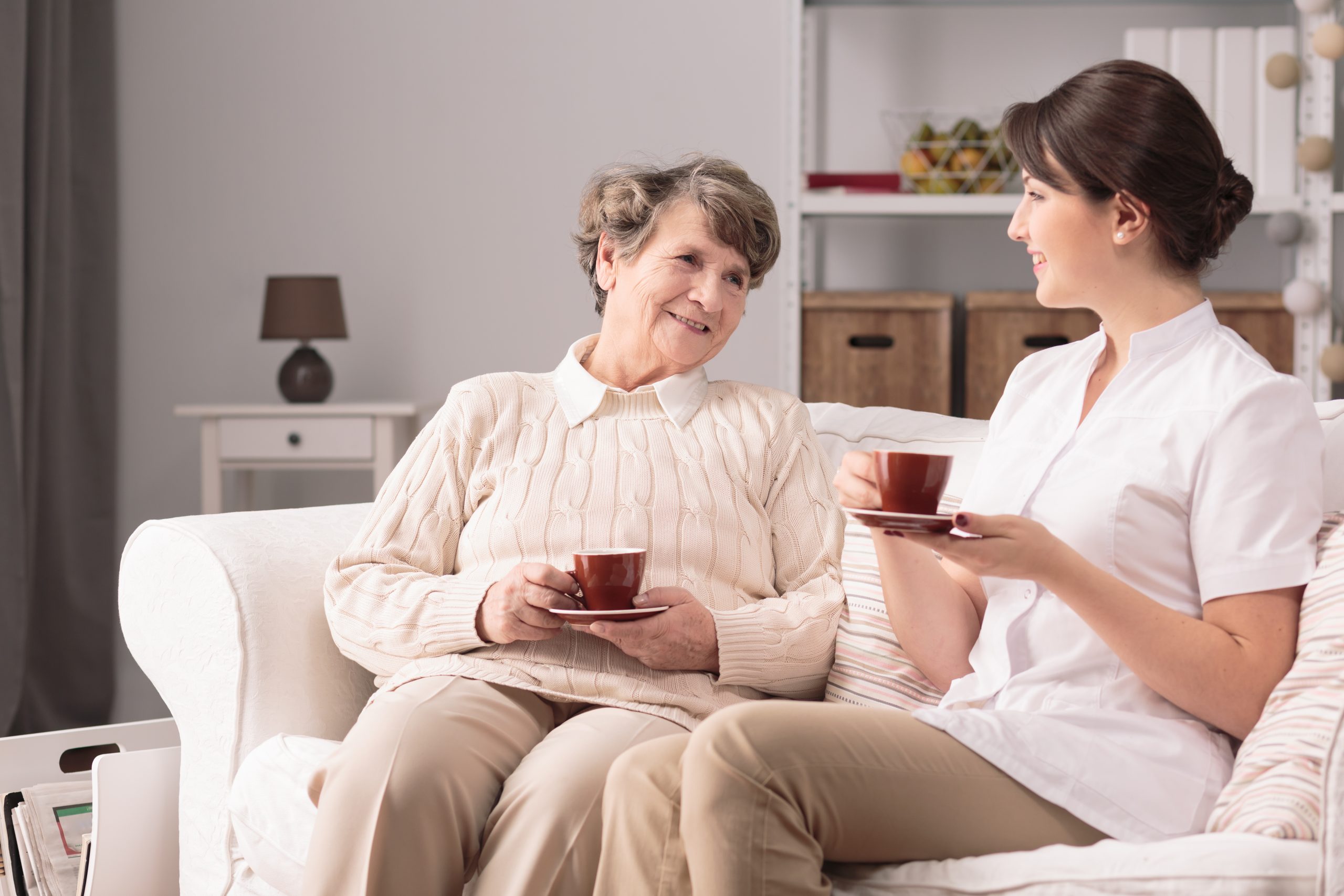
Companion care prioritizes emotional well-being and social engagement, serving as a solution for seniors experiencing isolation after losing the ability to drive or participate in community activities. Caregivers in this role manage daily tasks like meal preparation, light housekeeping, and transportation to appointments. These services are typically sought when families notice a senior withdrawing from hobbies or struggling to maintain a consistent household routine.
Personal care, by contrast, provides direct physical support for individuals managing chronic health conditions or mobility limitations. This hands-on approach includes assistance with bathing, dressing, grooming, and medication management. Families often transition to this level of care following a hospitalization, a fall, or a noticeable decline in physical strength.
Regardless of the specific path chosen, consistency remains a critical factor in the effectiveness of home care. Regular interaction with a familiar caregiver reduces anxiety and allows for the early detection of subtle changes in a senior’s health or mood. As individual needs shift over time, many families adopt flexible care plans that combine both social companionship and physical assistance to ensure safety and dignity in the home environment.


Comments (0)
No comments yet. Be the first!