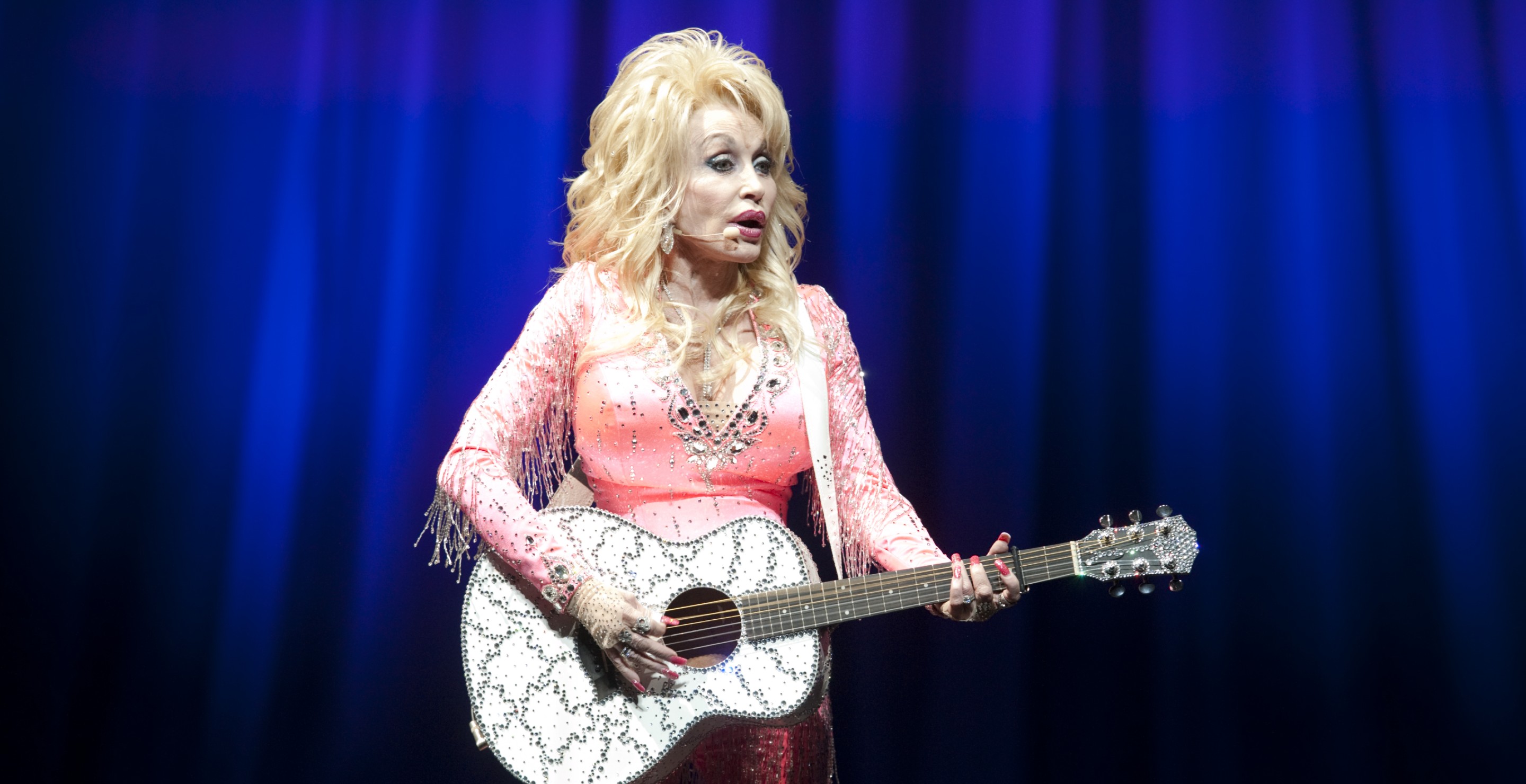
For many digital creators, Parton was never just a musician; she was a masterclass in radical authenticity. Her six-decade career provided a permission structure for women to be loud, self-made, and entirely indifferent to public criticism. Brandi Love, reflecting on the news, praised Parton for refusing to dim her light or alter her image to appease societal standards. "She marched to her own beat," Love noted, highlighting how Parton navigated a lifetime of commentary regarding her appearance with unwavering confidence.
This sentiment echoed across the creator landscape. Taylor Breesey described the late icon as a "trailblazer" who proved that women need not conform to rigid expectations to achieve lasting power. Meanwhile, Paige Summers focused on the joy Parton cultivated, from her songwriting to her philanthropic endeavors like the Imagination Library. Even those who identified as casual listeners, such as Natasha Nice, felt the weight of the moment, describing a collective sense of loss for a figure who seemed permanently "forever young" in the public imagination.
Parton’s death follows a period of private health struggles and the loss of her husband of 58 years, Carl Dean. Her family noted a "rhinestone life" characterized by wit and generosity. By the time of her passing, she had solidified a legacy that reached far beyond the charts. For the generation of creators currently building careers on the same premise of unapologetic self-expression, Parton’s lesson remains: one can be exactly who they are at full volume, and the world will eventually listen.


Comments (0)
No comments yet. Be the first!