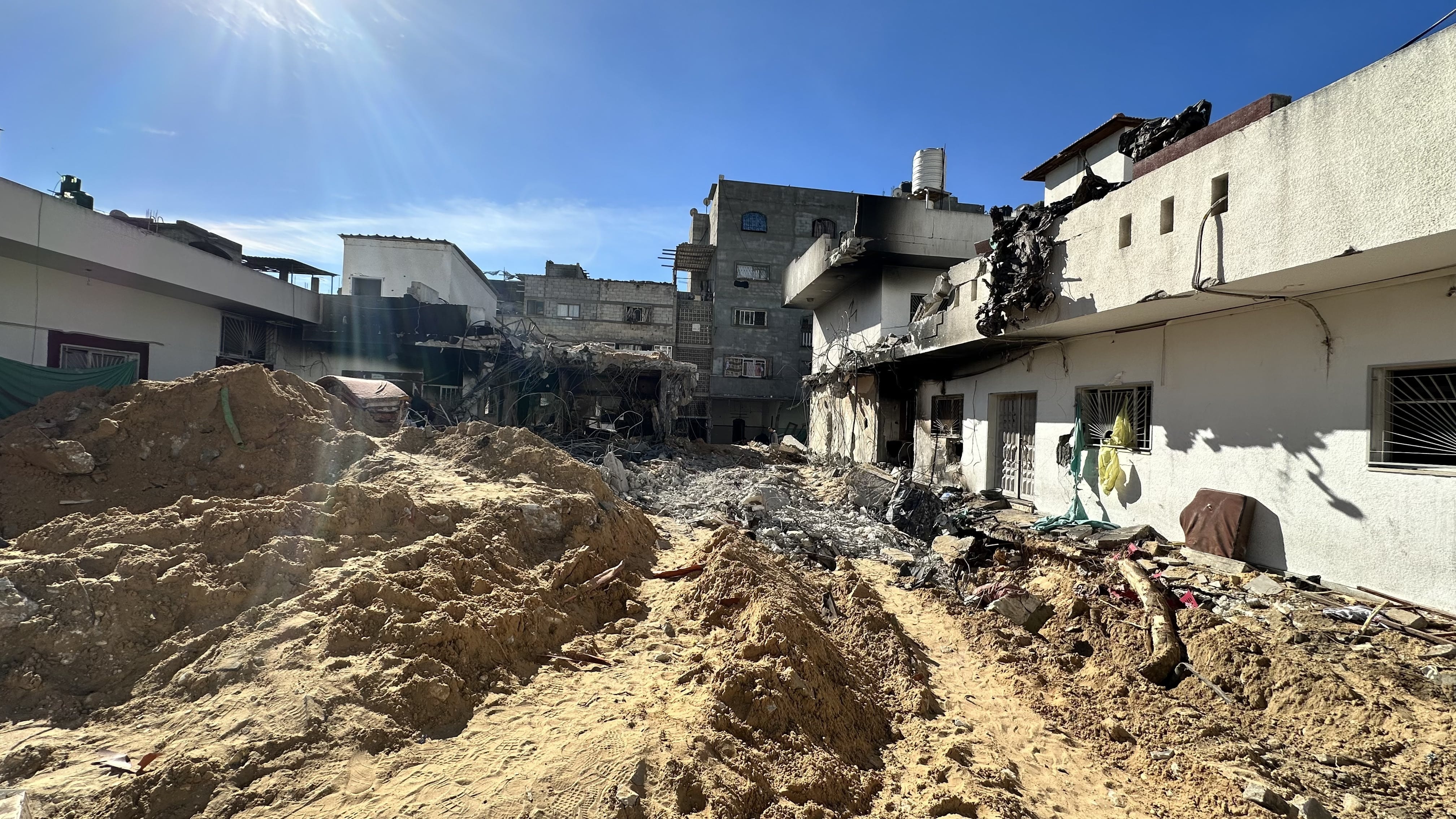
Doctors report that oncology patients in the strip are dying at two to three times their pre-war rate. With the region’s only specialized cancer hospital destroyed and chemotherapy supplies blocked, the collapse of medical infrastructure has left an estimated 17,000 individuals without care. At Al-Shifa Hospital, director Mohammed Abu Selmia notes that his facility records three to five preventable deaths daily, largely due to the systemic lack of diagnostic equipment and essential oncology drugs.
While Israeli military authority COGAT maintains that travel approvals depend on receiving nations, its own protocols mandate security screenings for every evacuee. Since February, the Rafah crossing has permitted an average of only 55 to 60 people per day—less than half the projected volume following the ceasefire. Consequently, at least 5,000 cancer patients currently remain registered for treatment abroad but are unable to cross the border. For those like Elham al-Skafi, who has waited over eighteen months for a transfer, the current reality is limited to nutritional fluids and blood transfusions rather than the cancer care needed to survive.



Comments (0)
No comments yet. Be the first!