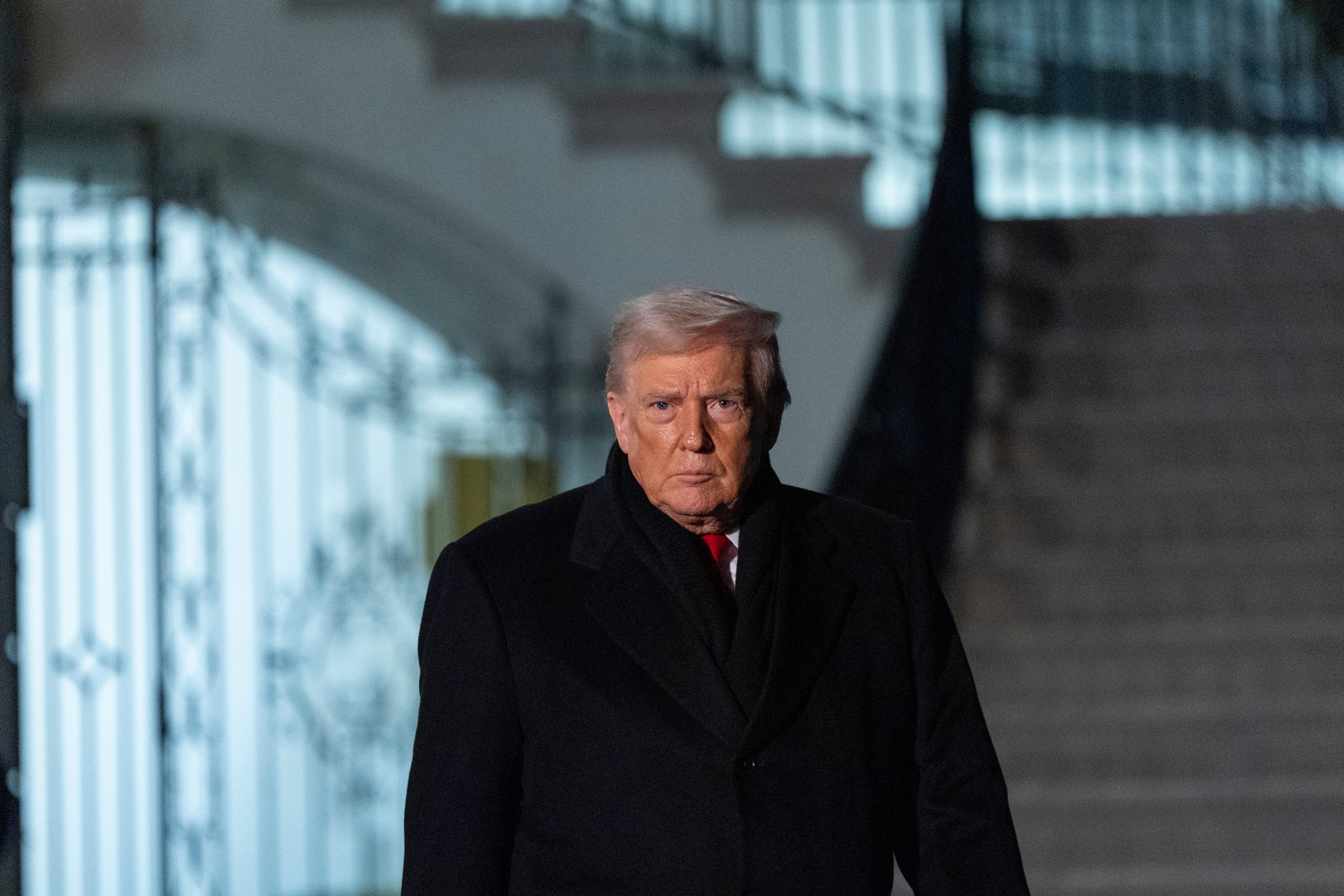
In an interview with journalist Tom Switzer, Mearsheimer argued that the administration is constrained by a lack of munitions and intense pressure from Gulf allies. These partners have warned that any further escalation by Washington would trigger Iranian retaliatory strikes against regional oil infrastructure and desalination plants. Consequently, the U.S. has been forced to accept an arrangement where Iran effectively controls passage through the Strait of Hormuz, demanding transit fees in exchange for access.
This assessment aligns with views from other foreign policy experts, including Vali Nasr of the Johns Hopkins School of Advanced International Studies, who noted that the era of pressuring Iran into submission has concluded. Daniel DePetris of Defense Priorities added that the current situation was an inevitable outcome of a conflict launched without congressional authorization. By initiating hostilities, the U.S. provided Tehran with a strategic opening to leverage its geography, turning the waterway into a permanent bargaining chip against American military threats.


Comments (0)
No comments yet. Be the first!