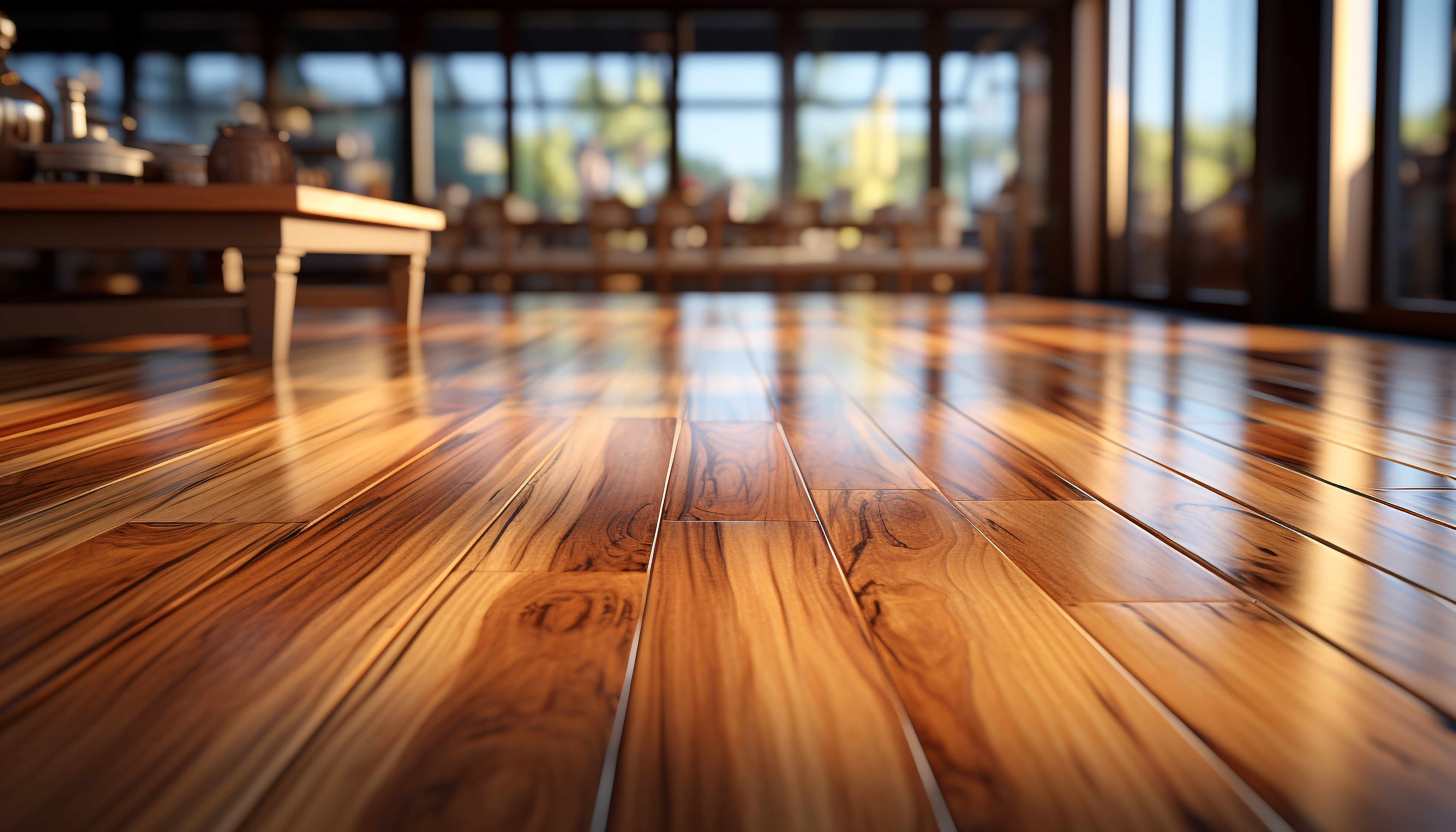
Winter poses the most significant threat to local flooring as road salt, ice, and grit tracked indoors act like sandpaper on hardwood finishes. Moisture from melting snow can infiltrate seams or grout, leading to long-term structural damage. Becker suggests a dual-mat strategy—placing durable barriers both outside and inside entryways—to contain debris at the threshold. Beyond physical grit, the low humidity typical of South Dakota winters causes wood planks to contract, creating unsightly gaps. Maintaining indoor humidity between 35 and 55 percent is essential for structural stability.
As the seasons shift, maintenance priorities must adapt. Spring requires deep cleaning to remove residual winter salt, while summer brings expansion risks as rising humidity levels cause wood and laminate to swell. During these warmer months, using air conditioning or dehumidifiers helps keep floors stable. Furthermore, direct sunlight remains a constant, year-round concern; Becker advises using UV-blocking window films or rotating rugs to prevent uneven fading. By shifting from reactive repairs to consistent, preventative habits—such as applying protective pads to furniture legs and performing seasonal inspections—homeowners can significantly extend the lifespan of their flooring investments.



Comments (0)
No comments yet. Be the first!