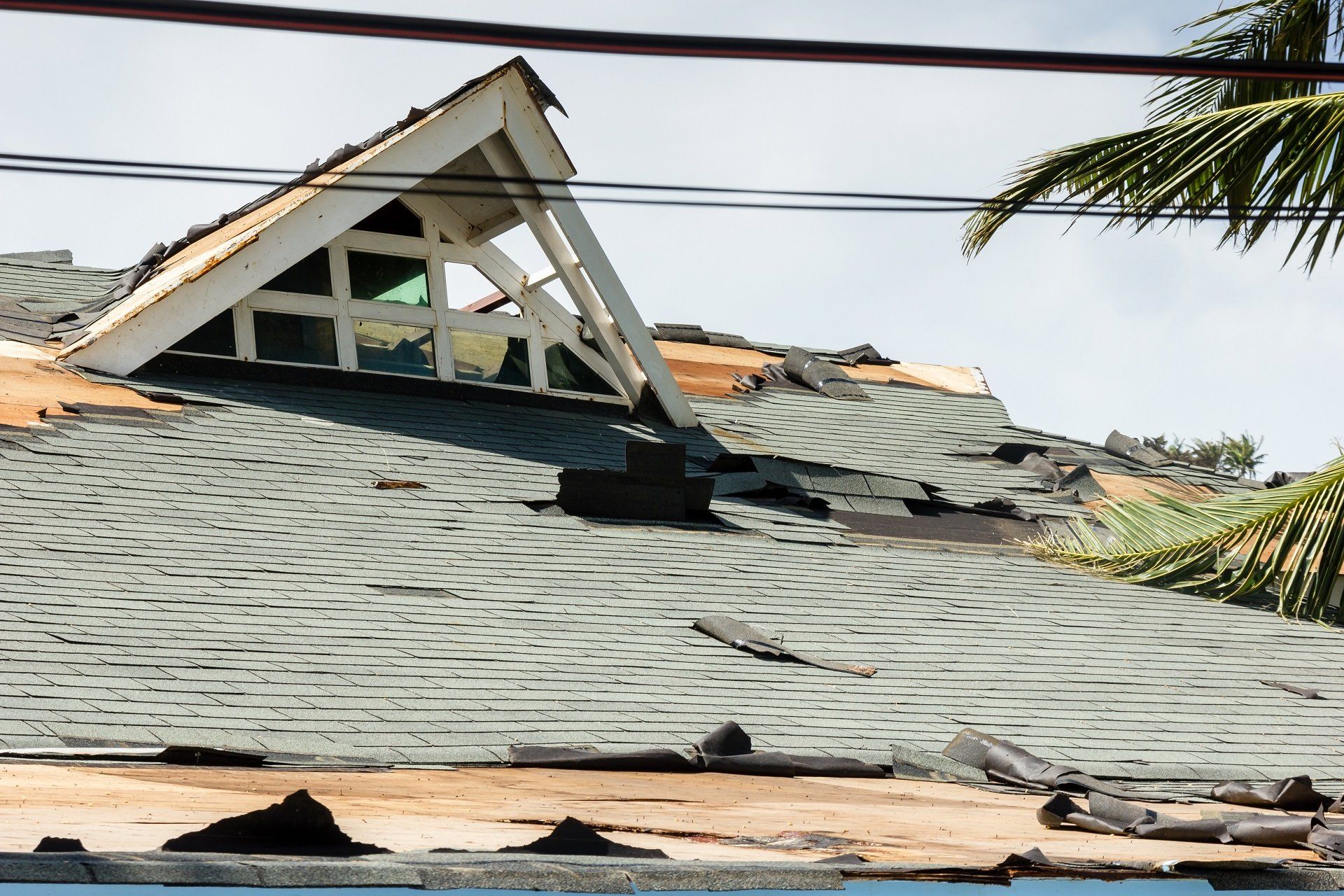
Strong wind gusts act as a primary threat, lifting shingles and compromising the adhesive seals that keep them anchored. When these bonds weaken, water gains a path beneath the surface during subsequent rainfall. Flashing—the metal protection around chimneys, skylights, and roof joints—faces similar pressure, often loosening under stress and allowing moisture to slip behind critical barriers.
Hail damage presents a distinct, often deceptive challenge. By stripping away protective shingle granules, hail leaves the underlying material exposed to the elements. Because this damage causes deterioration over time rather than instant flooding, homeowners frequently overlook the issue until leaks emerge weeks later. Similarly, clogged gutters force standing water to back up along the roofline, pushing moisture deep into the underlayment.
Experts recommend inspecting the attic as the first line of defense. Visible signs like damp insulation, water stains, or light filtering through roof boards indicate that the structure has already been compromised. A professional inspection remains the most reliable method for identifying these subtle impact marks or wind-damaged shingles that ground-level observations miss. Beyond securing the home, documented professional assessments provide essential evidence for insurance claims, ensuring that minor storm-related issues do not escalate into catastrophic repair costs.



Comments (0)
No comments yet. Be the first!