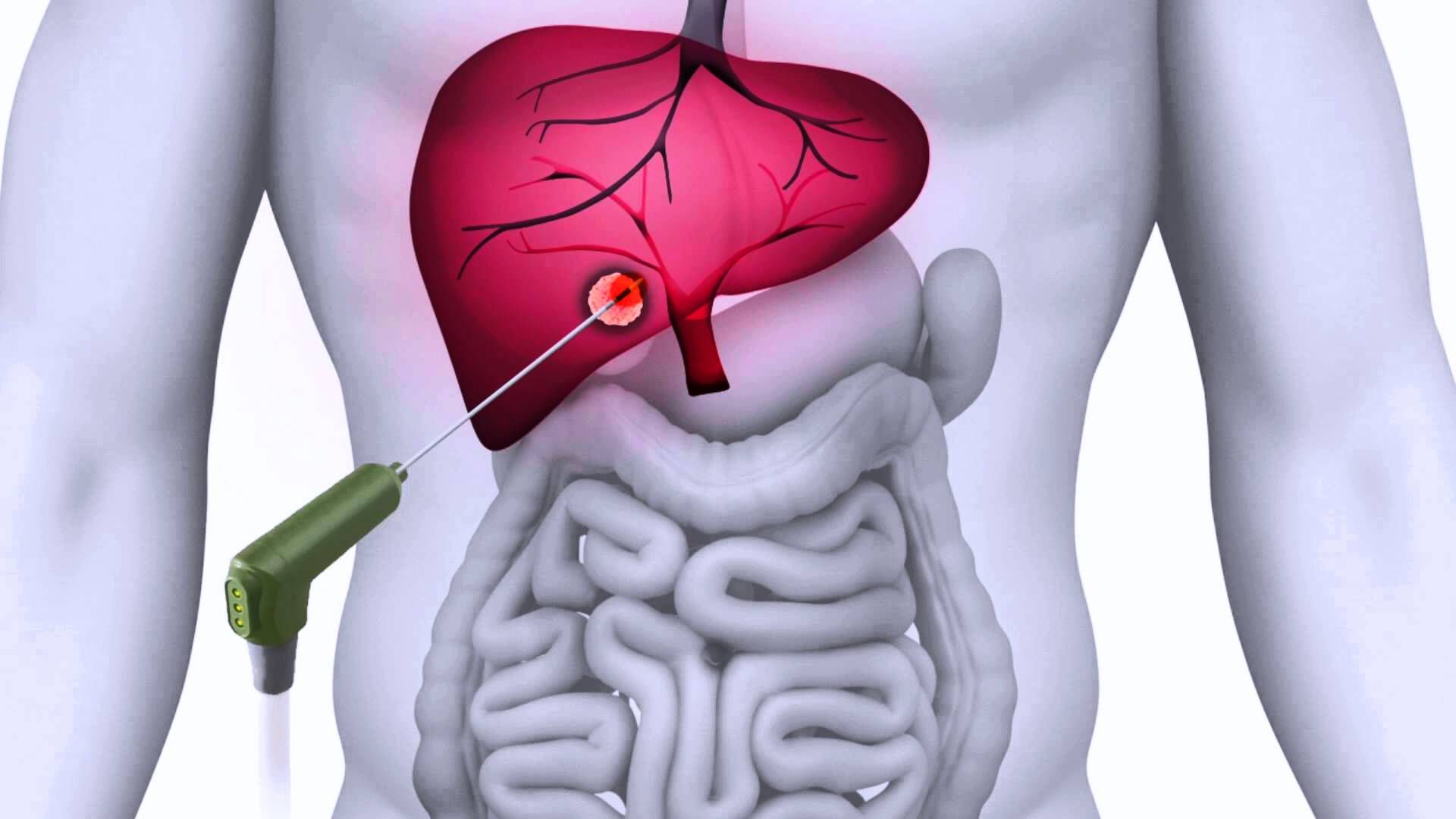
This upward trajectory is fueled by the rising prevalence of liver, lung, and renal cancers, where ablation therapies have become a standard, effective alternative to traditional surgery. Radiofrequency ablation remains the dominant technology, currently commanding 65-67% of the market share. Its widespread adoption stems from a proven safety record and clinical versatility in treating solid tumors while sparing surrounding healthy tissue.
Beyond established methods like microwave ablation and cryoablation, the sector is pivoting toward next-generation innovations. Future growth will likely hinge on the integration of AI-assisted treatment planning, robotic-assisted procedures, and real-time image-guided systems. Hospitals and specialty clinics are central to this evolution, as they increasingly prioritize shorter patient recovery times and outpatient care models. North America currently leads the global landscape, accounting for over 42% of the market due to robust healthcare infrastructure and high investment in interventional oncology research.


Comments (0)
No comments yet. Be the first!