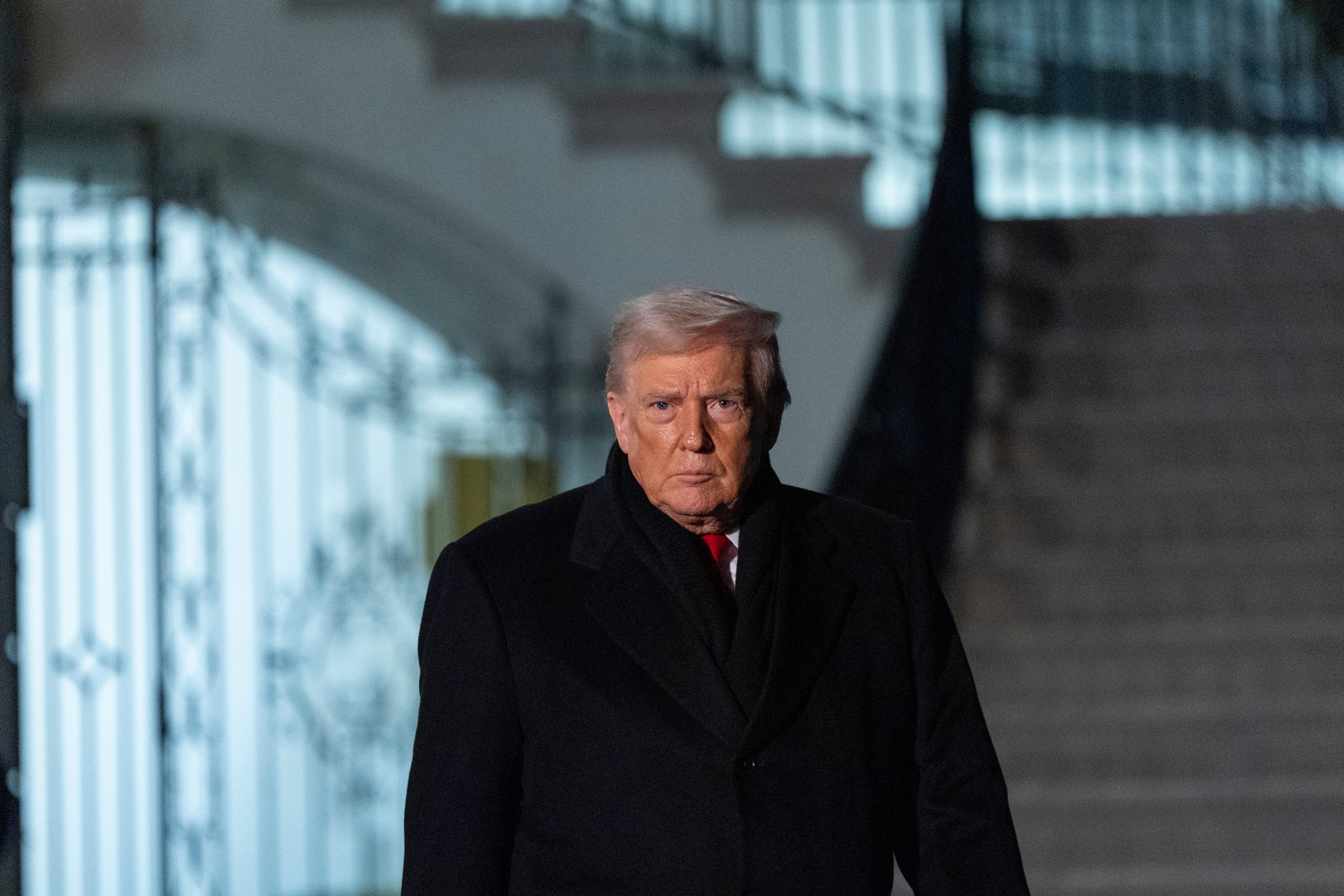
Trita Parsi, executive vice president of the Quincy Institute for Responsible Statecraft, argued that the president’s narrative of an averted imminent attack follows a familiar pattern of empty threats. According to Parsi, the administration lacks a viable exit strategy for the war, which has persisted since February without congressional authorization. By claiming credit for a de-escalation that may not exist, Trump is attempting to maintain the appearance of being the primary driver of regional events.
The rhetoric arrives as international pressure mounts. Reports indicate that Saudi Crown Prince Mohammed bin Salman and other regional powers, including Qatar and Turkey, have urged both Washington and Tehran to avoid further escalation. Despite these diplomatic efforts, Iranian Foreign Minister Abbas Araghchi warned that any hostile action would be met with a decisive response. Domestically, the administration faces significant headwinds; a recent poll shows 64% of Americans disapprove of the ongoing war, a sentiment reflected in recent Senate votes where efforts to restrict executive war powers were narrowly blocked.



Comments (0)
No comments yet. Be the first!