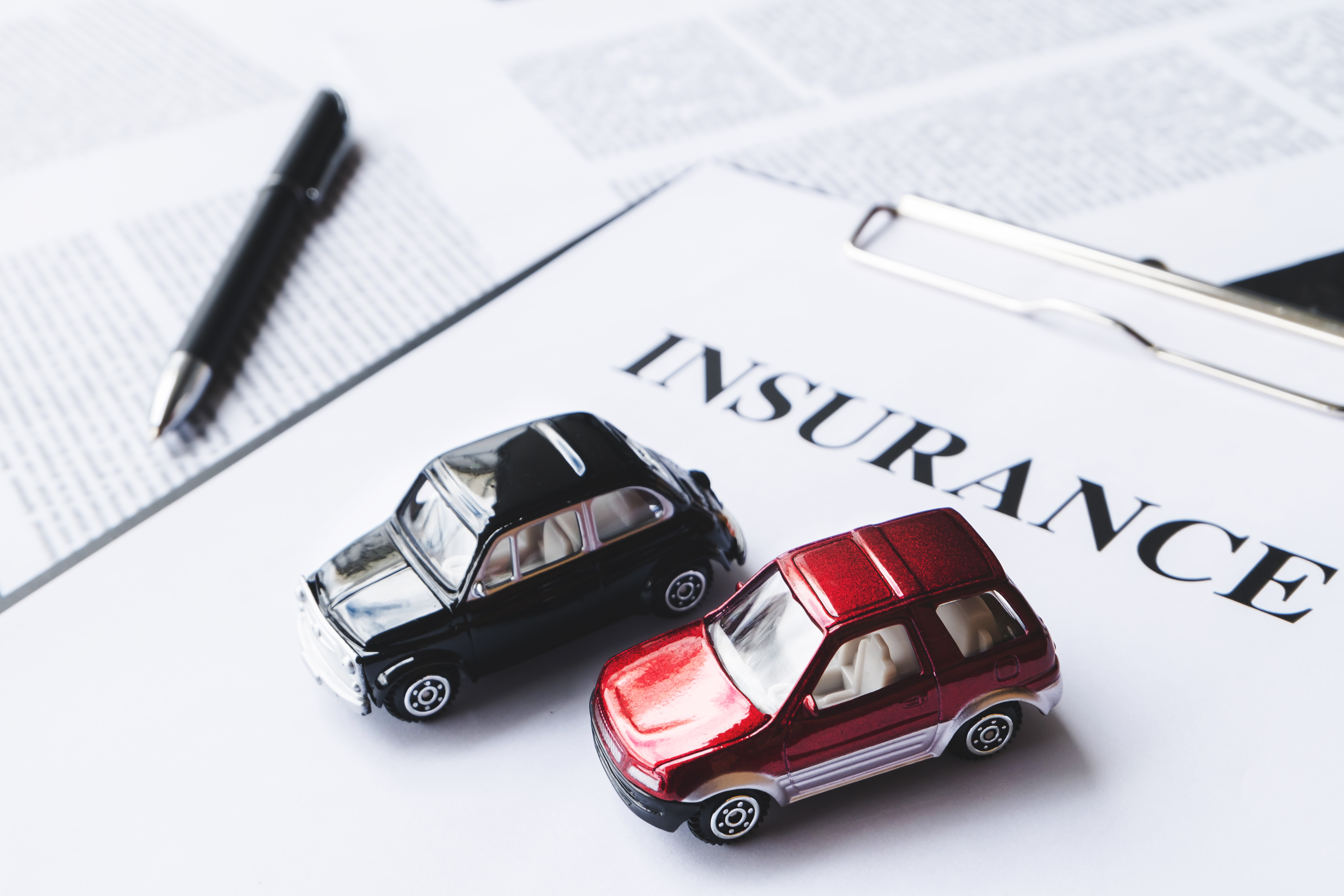
Collision coverage serves as a safety net for impact-related damage, such as striking a guardrail, hitting a light pole, or colliding with another vehicle. Regardless of fault, this portion of a policy covers repairs or replacement once the deductible is satisfied. In contrast, comprehensive coverage acts as a catch-all for non-collision incidents, including theft, vandalism, fire, weather damage, and accidents involving animals.
Drivers often face the dilemma of whether to maintain both, especially as vehicles age. For newer cars, the high cost of repairs usually justifies keeping both, but for older models, the premiums may eventually outweigh the vehicle's market value. Hogan highlights that the deductible choice acts as a financial lever: opting for a higher deductible lowers monthly premiums but shifts more immediate costs to the owner in the event of a claim.
Ultimately, these policies function independently of liability coverage, which covers damage or injuries caused to others. Since insurance needs fluctuate with changing household budgets and vehicle depreciation, a periodic policy review ensures that coverage remains a practical asset rather than an unnecessary expense.



Comments (0)
No comments yet. Be the first!