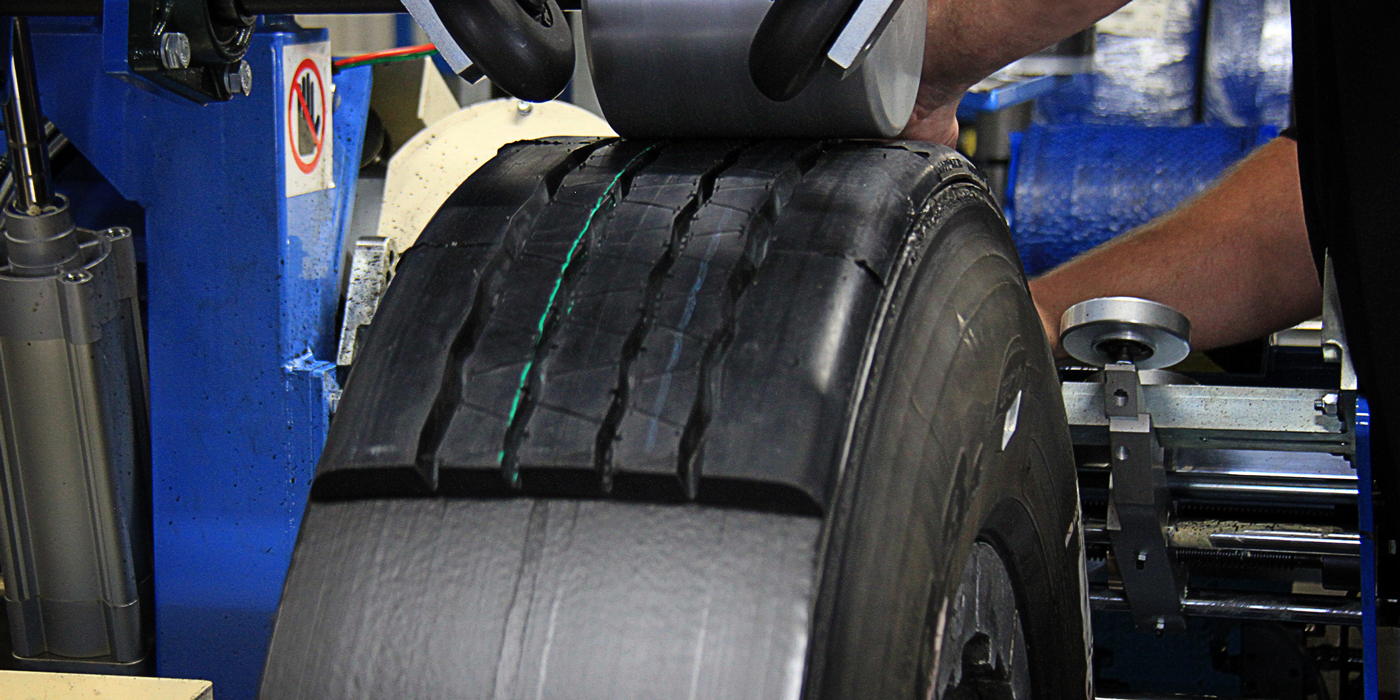
Retreading functions by salvaging structurally sound casings, which represent a substantial portion of an original tire's value. Once a casing survives a rigorous inspection process, it receives a new tread, effectively extending its service life. According to Lewis, this cycle significantly lowers replacement costs for operators who prioritize long-term asset management over frequent new purchases.
Safety remains the primary filter for the process. Modern quality control standards mandate the immediate removal of casings showing structural fatigue, excessive wear, or prior damage. When handled by experienced providers, these tires perform reliably in drive and trailer positions, offering a balance between cost efficiency and operational performance. Beyond the balance sheet, the practice serves environmental goals by reducing raw material demand and diverting waste from landfills.
Not every tire survives the evaluation phase, however. Factors such as service history, age, and previous repairs determine whether a casing remains a viable candidate. For fleet managers in Monroe County and beyond, the decision to retread requires an individual assessment of each tire. By integrating these practices into a broader maintenance strategy, operators can maintain performance standards while controlling the volatile costs associated with commercial transportation.



Comments (0)
No comments yet. Be the first!