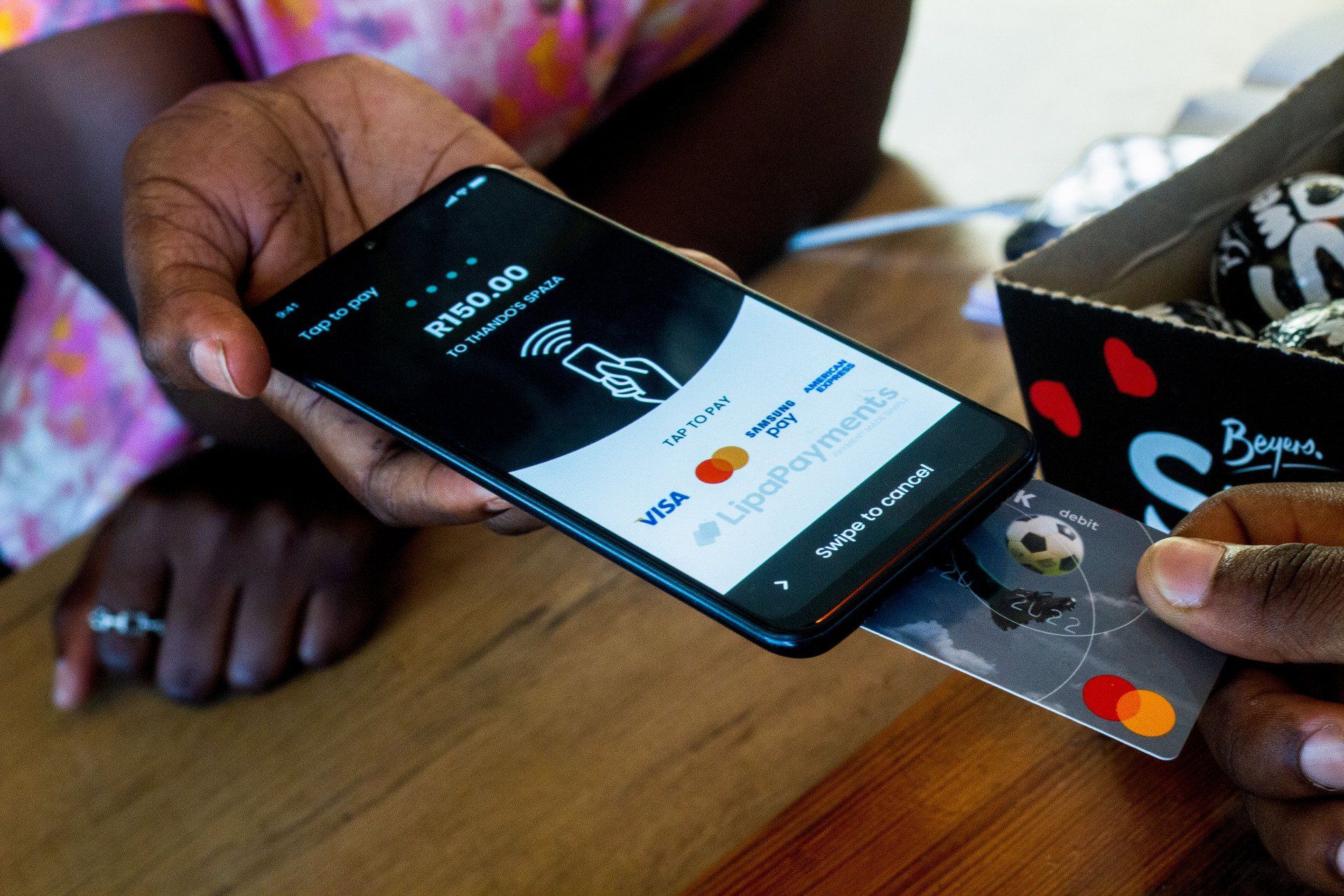
The rapid rise of mobile money and Instant Payment Systems—which processed 65.6 billion transactions in 2024—has transformed local African commerce. Yet, this success stops at the border. Businesses currently lose an estimated $5 billion annually due to currency fragmentation and a reliance on costly correspondent banking pathways. These traditional routes force transactions into slow, multi-hop processes that can take days to settle and incur significant service fees.
To counter this, adoption of stablecoins like USDC and USDT has surged, with Sub-Saharan Africa recording a 52% year-over-year increase in on-chain value, reaching $205 billion. These assets function as a complementary settlement layer, allowing firms to bypass intermediary bank markups and reduce transfer costs to under $1. PhotonPay’s research suggests that the future of the continent's trade lies in integrating these digital assets with existing mobile money and card networks. By unifying these disparate rails, enterprises can manage liquidity more effectively, turning regional payment friction into a streamlined, global operation.



Comments (0)
No comments yet. Be the first!