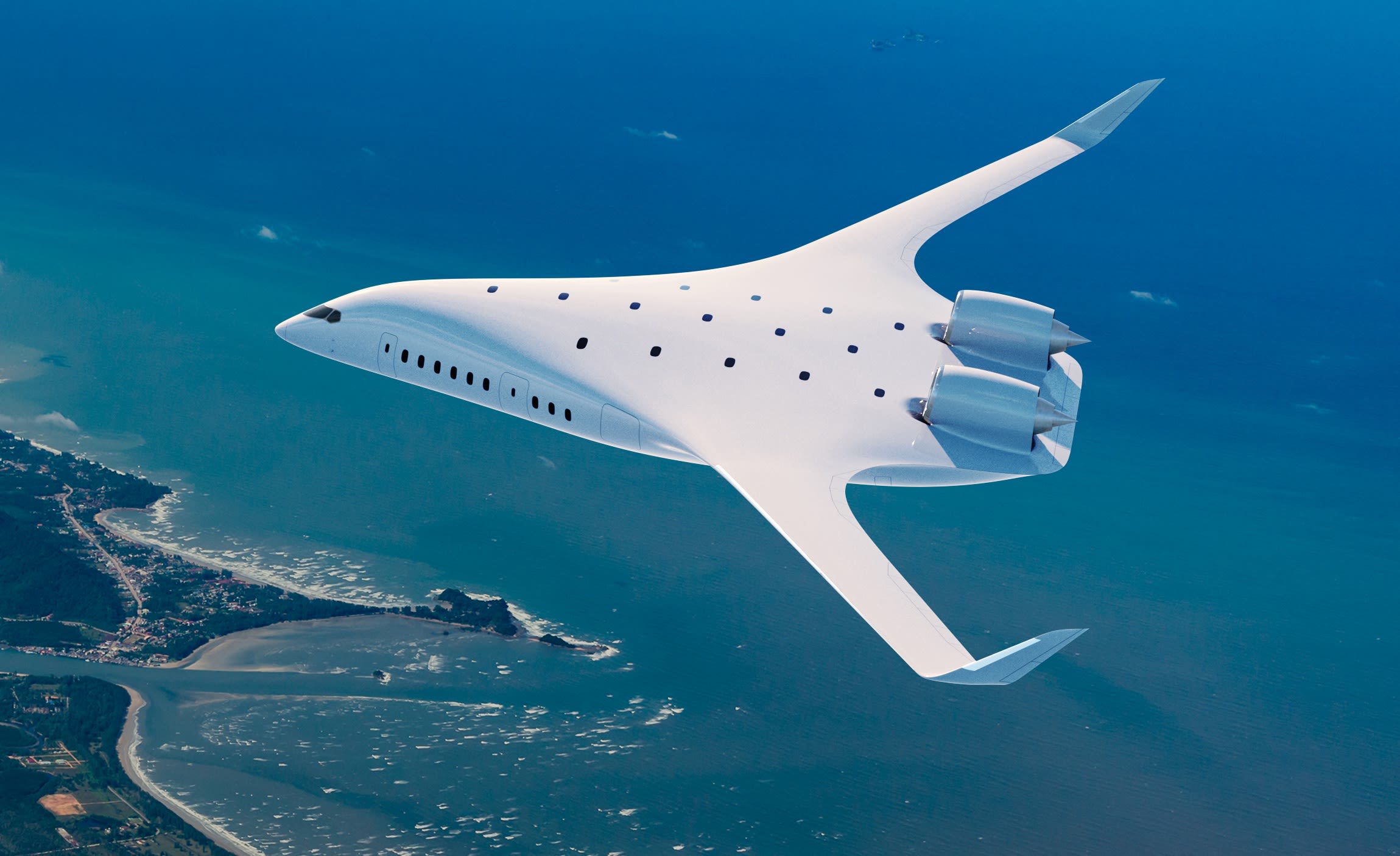
The Z4 project represents a departure from traditional tube-and-wing designs, utilizing a blended wing body architecture that generates lift across the entire airframe to minimize drag. For Japan Airlines, the appeal lies in the aircraft's projected 250-seat capacity and 5,000-nautical-mile range, which aligns with the carrier's fleet renewal strategy and long-term goal of reaching net-zero emissions by 2050.
Beyond fuel economy, the collaboration focuses on practical integration into existing global airport infrastructure. By involving JAL early in the design process, the companies intend to streamline ground handling, cabin services, and maintenance protocols before the aircraft’s projected entry into service in the early 2030s. Both firms are currently defining baseline specifications, with an emphasis on establishing a robust maintenance, repair, and overhaul framework to support future operations.



Comments (0)
No comments yet. Be the first!