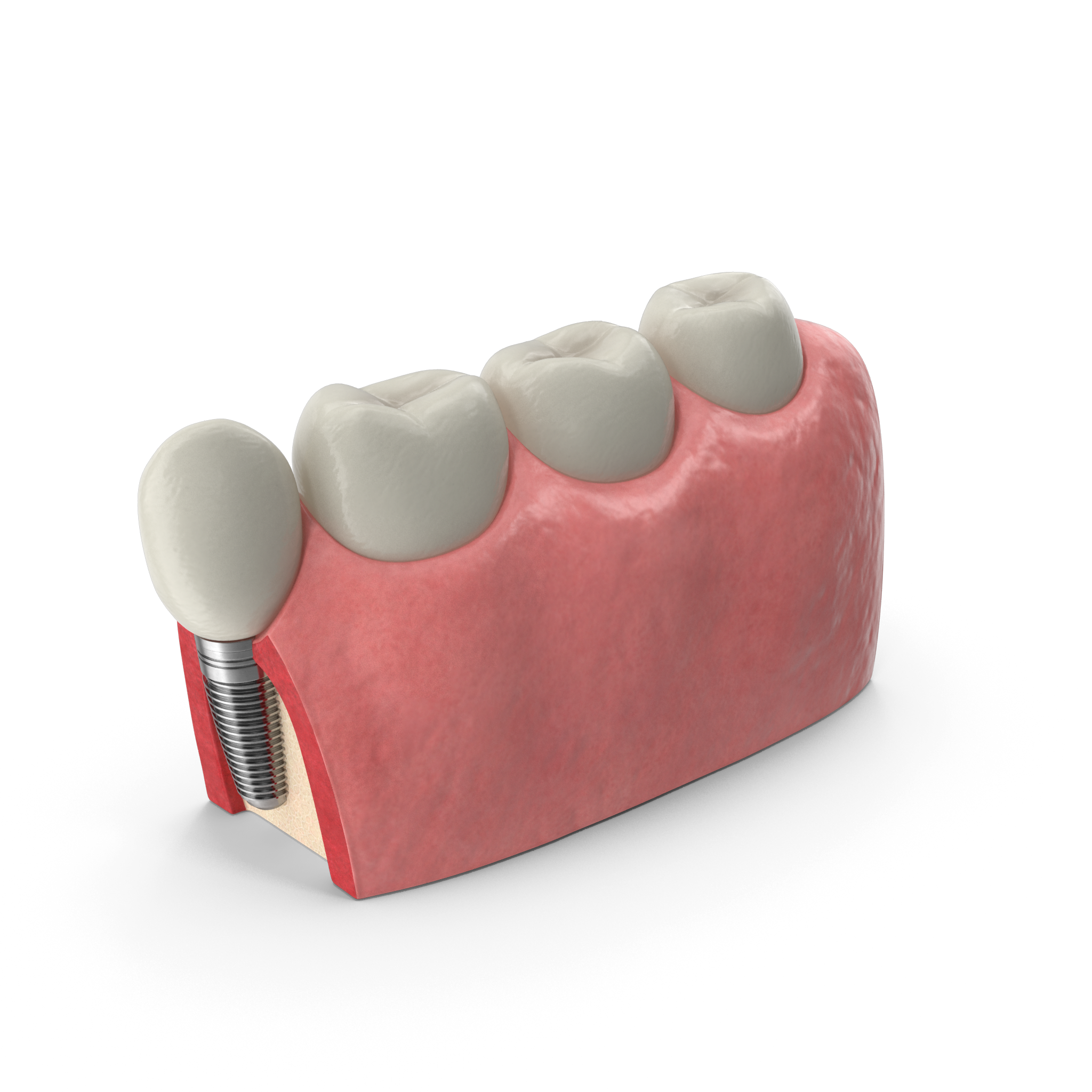
The process begins with a comprehensive consultation, where clinicians review a patient’s medical history and utilize jaw imaging to confirm bone quality. This diagnostic phase is essential for precision placement, which minimizes potential complications. Once the foundation is assessed, a titanium post is surgically inserted into the jawbone. This component relies on osseointegration—a natural biological bonding process—to anchor firmly within the bone structure.
While the healing phase typically spans several months, patients often utilize temporary restorations to maintain appearance and function during the interim. Once the jaw successfully integrates with the implant, a small connector known as an abutment is attached. This allows for the final step: the placement of a custom-designed crown, engineered to match the patient’s existing teeth in shape and color. Dr. Chan notes that once completed, the restoration is designed to function and feel like a natural tooth.
Long-term success remains tethered to consistent oral hygiene and routine professional monitoring. While individual timelines may vary based on bone health or specific anatomical needs, the procedure remains a standard approach for restoring lost function. Through clear communication and follow-up care, the dental team ensures that patients remain informed about the status of their recovery and the ongoing maintenance required to protect their new smile.



Comments (0)
No comments yet. Be the first!