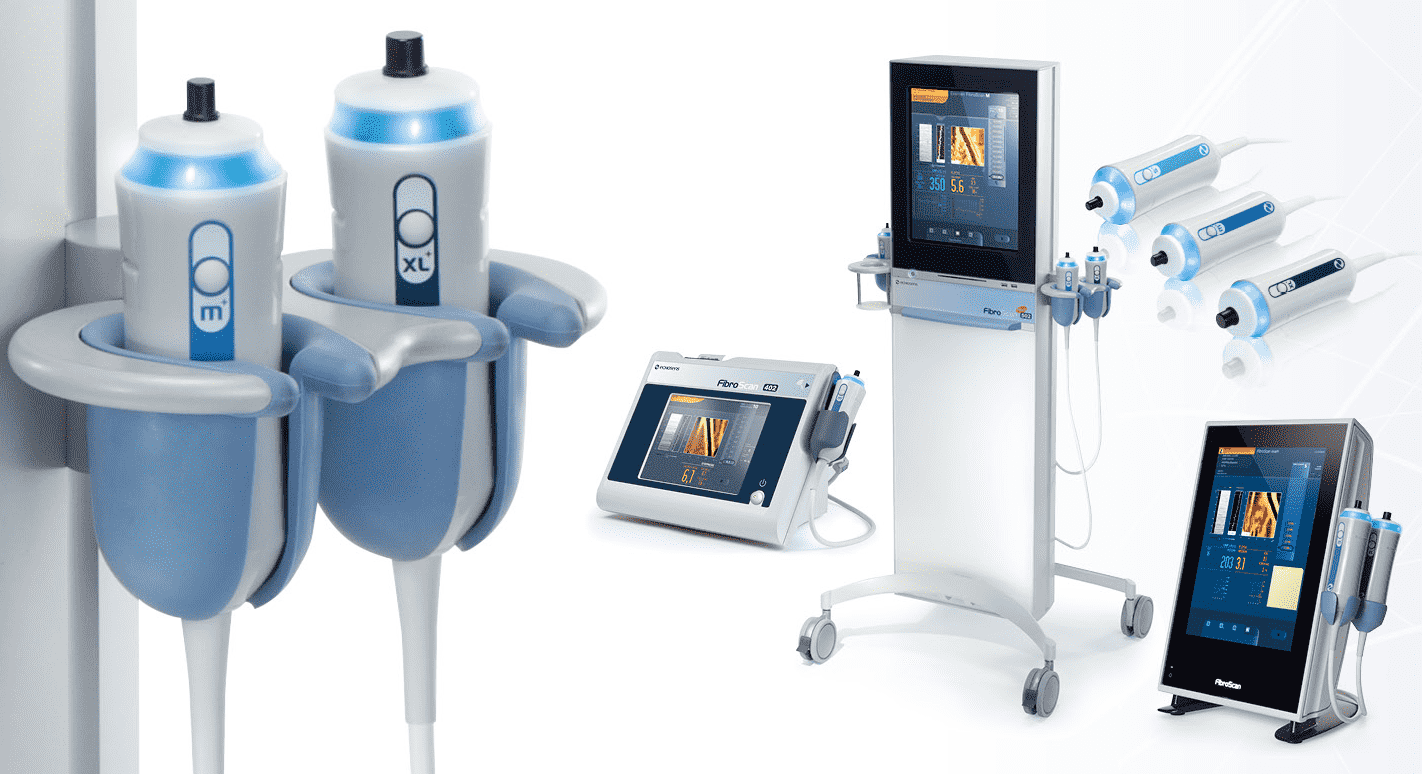
The revised policy draws a sharp line between established diagnostic tools and emerging alternatives. While FibroScan retains its status as a covered medical necessity, the insurer explicitly excludes techniques such as ViTE, represented by systems like Mindray’s Hepatus, and MAP technologies, including Liverscan C. According to Amy Conner, Director of Market Access at Echosens, this distinction helps clinicians navigate an increasingly crowded market by identifying which platforms possess the evidence base required for reimbursement.
For providers, the update clarifies the billing landscape for ultrasound elastography. Exams that incorporate image guidance and formal provider interpretation align with the requirements for CPT code 76981. In instances where these specific diagnostic criteria are not met, the insurer mandates the use of CPT code 91200 for liver elastography billing. These adjustments aim to standardize the evaluation of chronic liver disease across the provider network, ensuring that coverage decisions remain tethered to peer-reviewed clinical validation.



Comments (0)
No comments yet. Be the first!