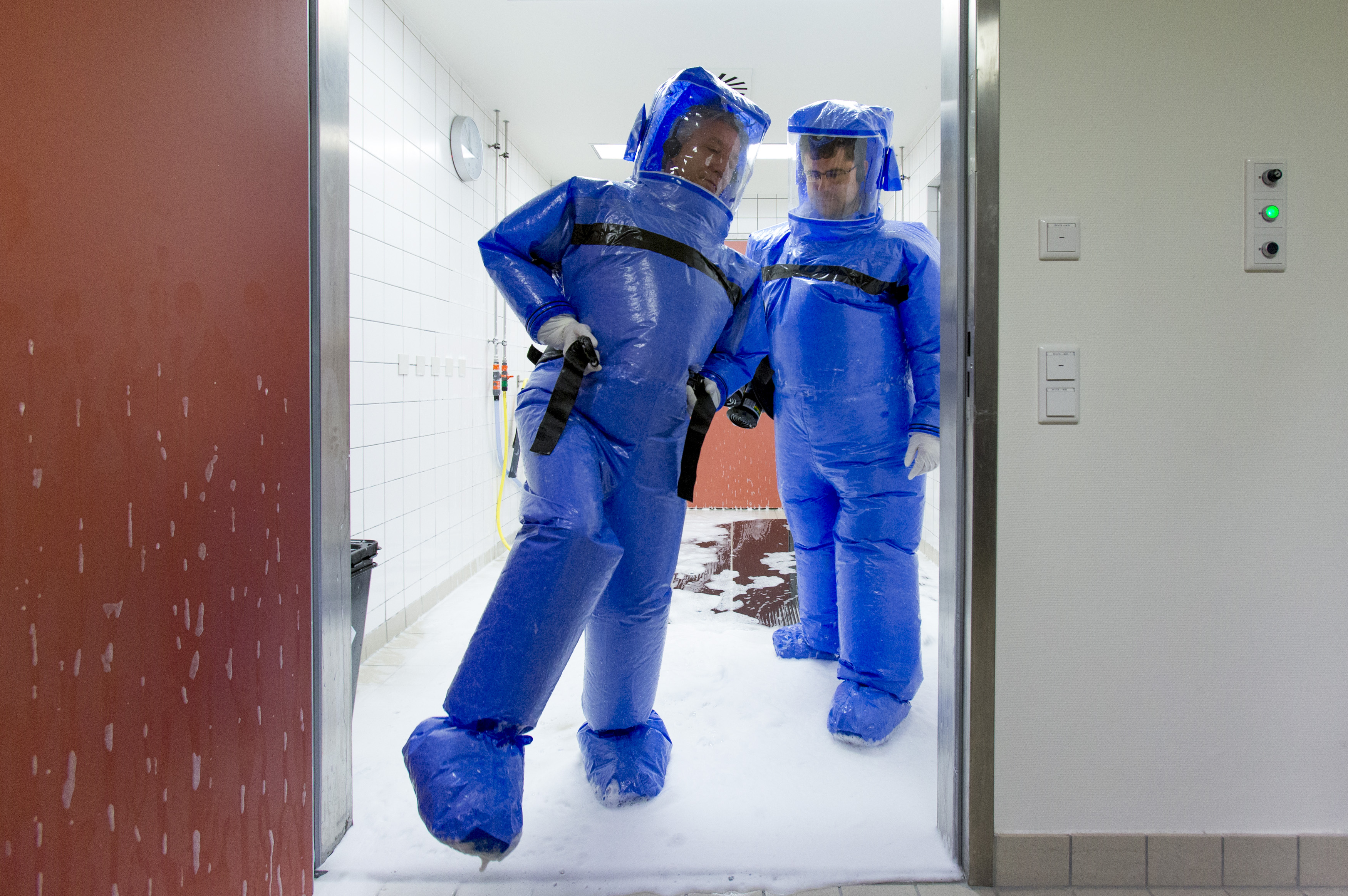
While the United Nations is currently mobilizing $60 million to combat the virus in the DRC, the US response remains largely sidelined. Having previously dismantled key USAID functions and reduced staffing at the CDC, the administration is now prioritizing domestic travel restrictions—including the diversion of international flights—over active field participation. Rubio described this defensive posture as the government's “number-one objective,” explicitly stating that the priority is to keep Ebola cases out of the United States.
Public health experts warn that this "America-first" approach is actively undermining containment efforts. Jeremy Konyndyk, president of Refugees International, labeled the administration's stance as counterproductive, noting that by refusing to guarantee support for American healthcare workers, the government effectively discourages experts from deploying to the region. This fear is not hypothetical; two doctors have already required evacuation to Germany and the Czech Republic for treatment after the US declined to directly assist them.
With over 170 deaths and 750 suspected infections, the crisis is moving faster than current surveillance can track. Former CDC Director Robert Redfield noted that this outbreak remained undetected until it reached more than 100 cases, a failure of early detection that contrasts with previous responses. While the State Department has pledged $13 million in assistance, critics like Dr. Craig Spencer argue this is a mere fraction of the $5 billion invested in 2014. As the WHO warns that the outbreak will likely worsen, the current strategy risks leaving the international community to face the surge without the traditional backbone of American leadership and specialized personnel.
Comments (0)
No comments yet. Be the first!