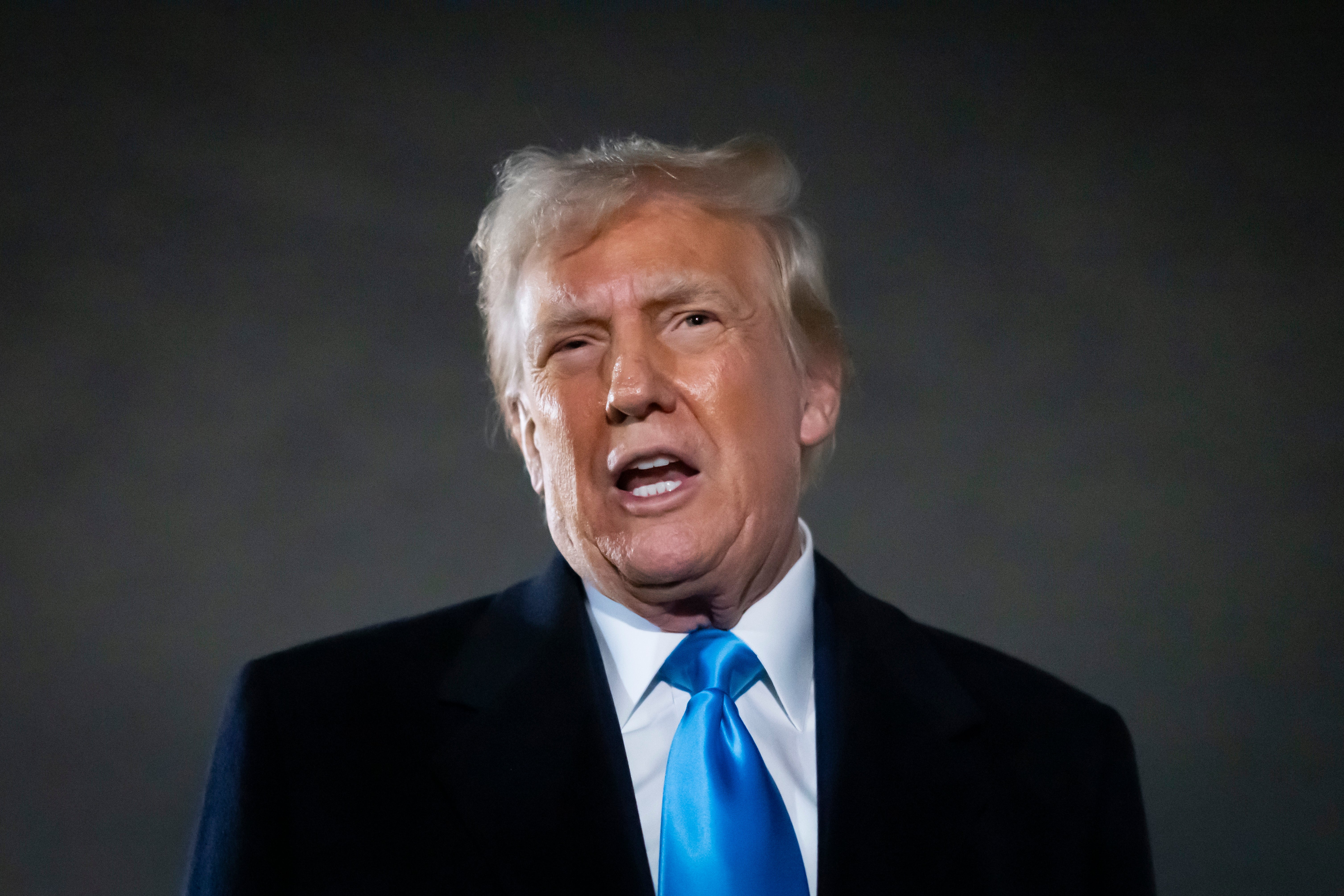
The president’s remarks, delivered at a gathering convened by Defense Secretary Pete Hegseth, specifically targeted cities governed by Democrats, including Chicago, San Francisco, New York, and Los Angeles. Trump characterized these urban centers as dangerous sites requiring military intervention, framing the domestic political landscape as a war footing. He explicitly stated that military forces would play a central role in what he described as straightening out these communities.
Legal experts and civil rights advocates were quick to condemn the directive, pointing to the Posse Comitatus Act of 1878, which prohibits the use of federal military personnel for domestic law enforcement. Naureen Shah of the ACLU warned that framing political dissenters as an "enemy within" poses a severe threat to constitutional rights. Meanwhile, critics including Congressman Seth Moulton described the rhetoric as a dangerous escalation that undermines the military's purpose and risks irreparable institutional damage.
The administration’s claims regarding the necessity of these actions remain contentious. While Trump asserted that his recent intervention in Washington, D.C. removed 1,700 career criminals, public data indicates that the vast majority of those arrests involved misdemeanor or immigration-related offenses. Similar discrepancies surround the president’s descriptions of Portland, Oregon, which he labeled a war zone despite FBI data ranking the city 72nd in violent crime. The Not Above the Law Coalition and international observers have characterized the push to deploy troops against civilian populations as both authoritarian and profoundly un-American.
Comments (0)
No comments yet. Be the first!