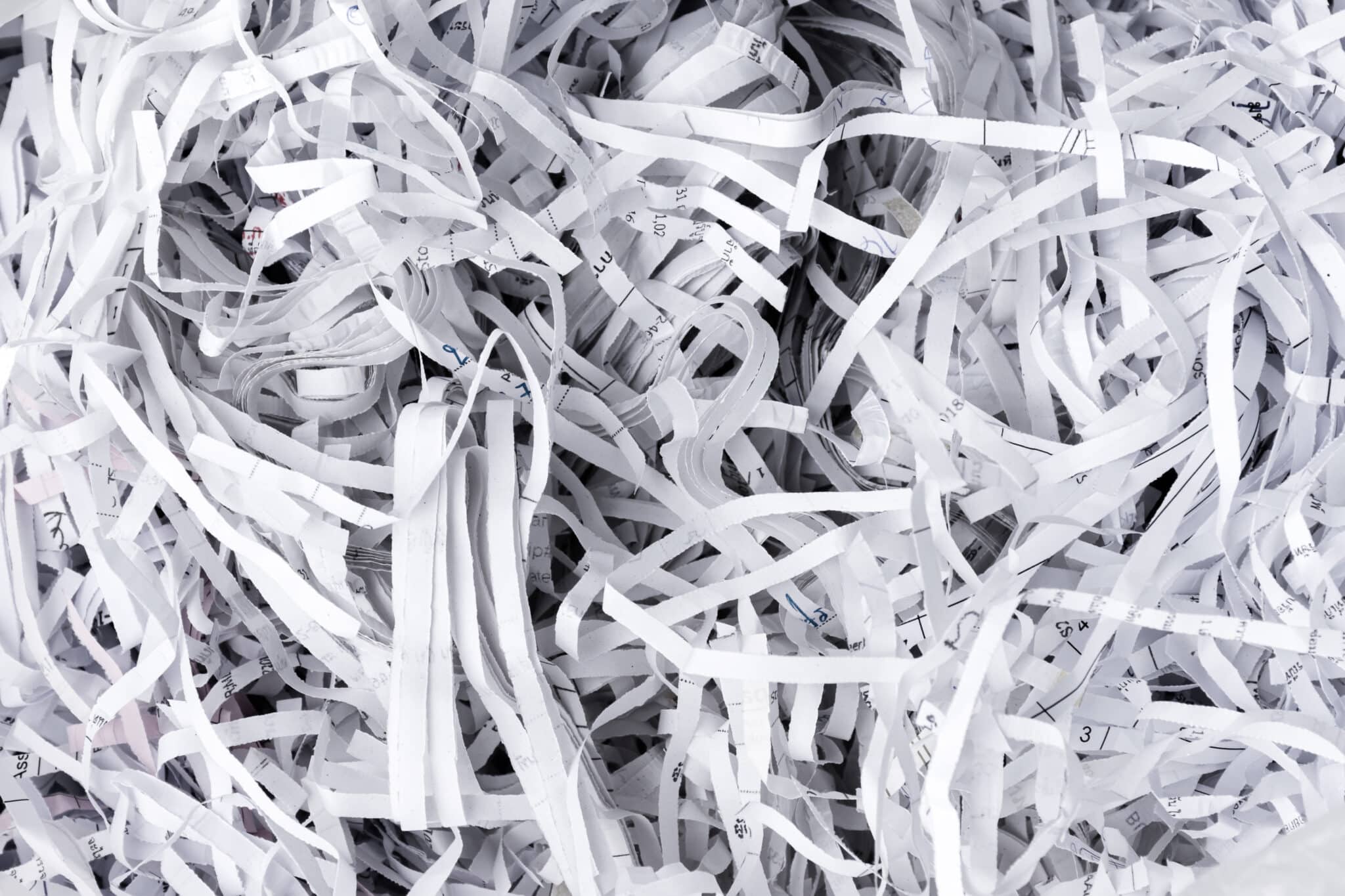
The core issue lies in the timeline of waste management. Before paper reaches a pulping facility, it typically passes through multiple hands in open containers or sorting trucks. Because recycling streams often involve manual handling, documents containing bank statements, tax records, or medical history remain vulnerable to theft or unauthorized viewing for extended periods. Contrary to popular belief, recycling facilities do not guarantee immediate destruction, creating a significant window of opportunity for data breaches.
Effective security requires a shift in the disposal process. Shredding must occur at the point of origin—the home or office—to render information unreadable before the material enters the waste stream. Only after physical destruction should paper be directed toward recycling programs. For businesses, skipping this step often results in noncompliance with privacy regulations, potentially leading to legal repercussions. Protecting sensitive data and supporting environmental goals are not mutually exclusive, but they must be prioritized in the correct order: shred first, recycle second.



Comments (0)
No comments yet. Be the first!