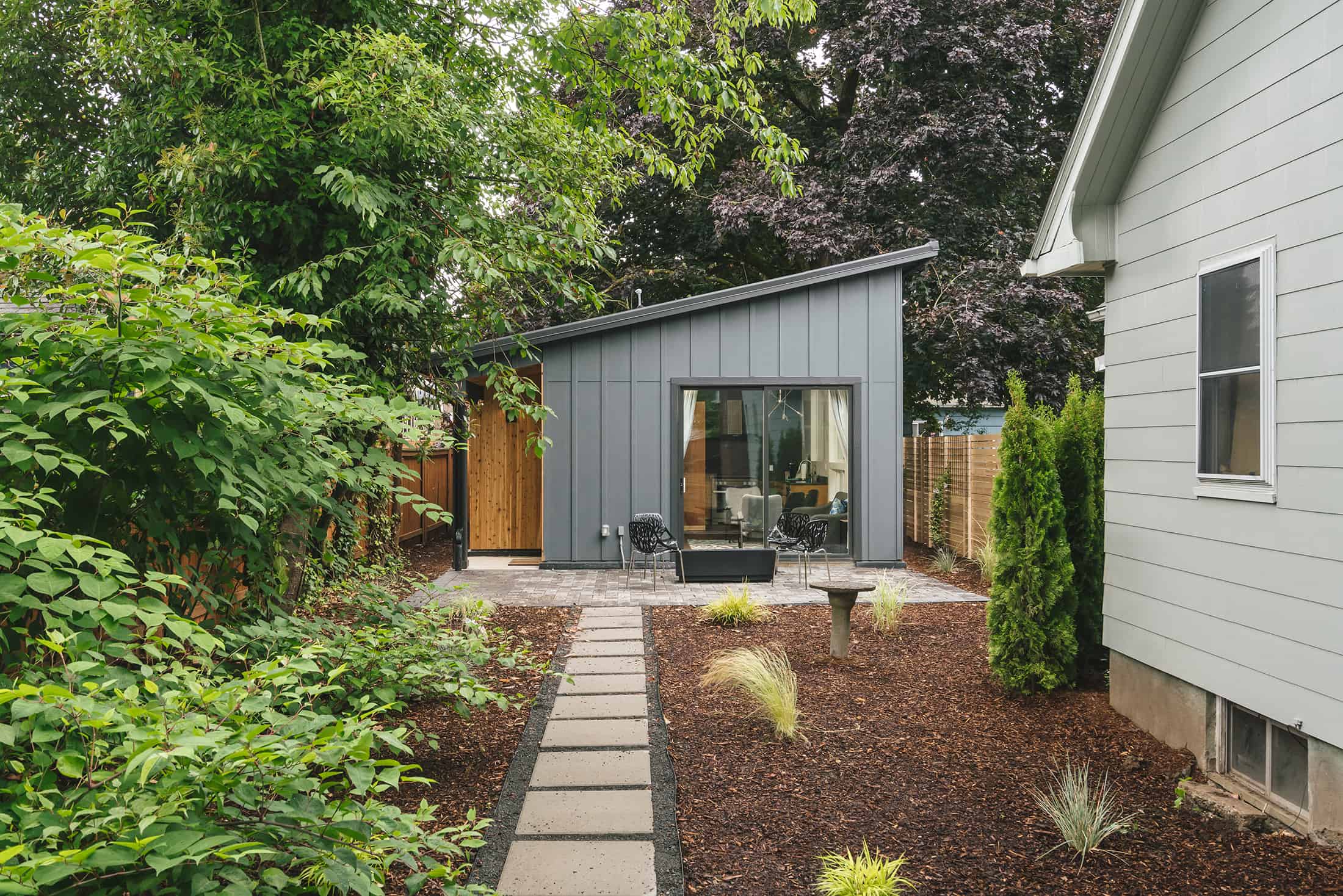
The law introduces 45 specific reforms designed to modernize federal policy, with a heavy emphasis on accessory dwelling units (ADUs) and manufactured housing. A critical change involves expanding second-position financing, which allows homeowners to fund ADU construction without the prohibitive cost of refinancing existing, low-interest primary mortgages. This shift addresses a primary obstacle for property owners who previously found themselves locked into stagnant mortgages, unable to leverage their equity for development.
Beyond financing, the legislation modernizes federal standards for manufactured and modular housing. By removing the permanent chassis requirement, the government has opened the door for more flexible, cost-effective, and aesthetically diverse housing options, including two-story designs. These changes reflect years of advocacy from groups like the Casita Coalition, which has pushed for policies mirroring successful state-level initiatives. California, for instance, has permitted over 144,000 ADUs since 2017, proving that removing regulatory friction can rapidly scale housing production.
While the legislation provides a robust framework, the focus now shifts to federal agencies and local governments tasked with implementation. Casita Coalition CEO Noerena Limón noted that while this package is not a panacea for the national affordability crisis, it provides the essential tools for communities to increase stock. The success of these reforms will ultimately hinge on how quickly financial institutions and local planners adapt to the new, more flexible regulatory environment.



Comments (0)
No comments yet. Be the first!