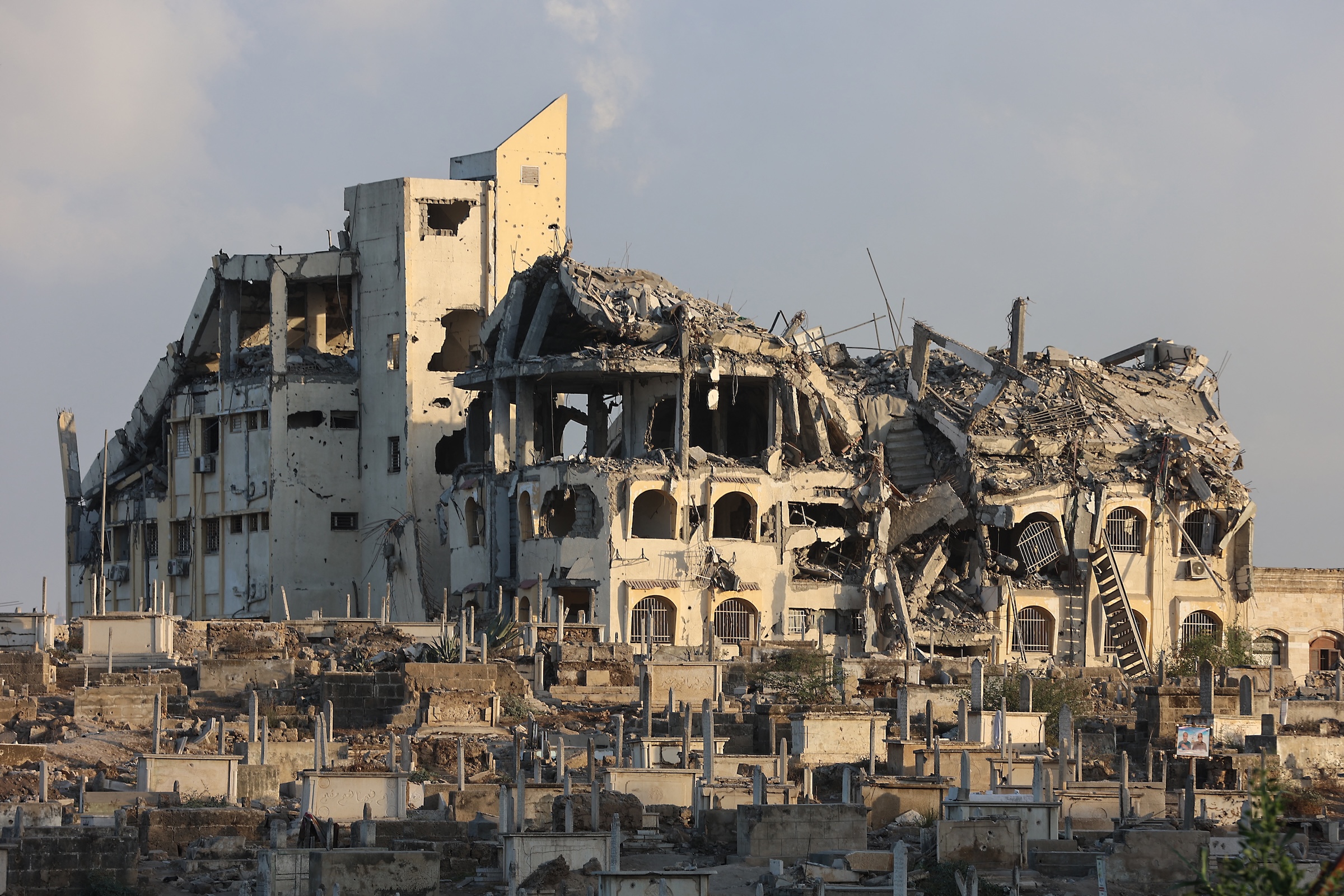
For many researchers, the transition from skepticism to consensus followed a series of escalations by the Israeli government, including the flouting of International Court of Justice orders and the implementation of a total blockade on essential resources. Shmuel Lederman, a scholar at the Open University of Israel, noted that his own assessment shifted after the Israel Defense Forces seized the Rafah crossing and restricted humanitarian aid, actions he views as part of a cumulative genocidal process.
Experts emphasize that genocide should be analyzed as a sequence of events rather than a single, binary event. Uğur Ümit Üngör of the University of Amsterdam described the phenomenon as a "dimmer" rather than a light switch. This holistic perspective views the systematic destruction of infrastructure and the deprivation of food, water, and sanitation as evidence of a broader strategy. Melanie O'Brien, president of the International Association of Genocide Scholars, cited these deliberate blockades as primary drivers for the shift in expert classification.
Despite the growing academic alignment, researchers report a hostile climate for public discourse, particularly in countries like Germany, where scholars say the topic is treated as "poisoned." Dirk Moses, editor-in-chief of the Journal of Genocide Research, warned that the field risks losing its integrity if it fails to address the reality of these actions, stating that those who maintain an artificial distinction between military operations and genocidal intent are becoming complicit in the crisis.


Comments (0)
No comments yet. Be the first!