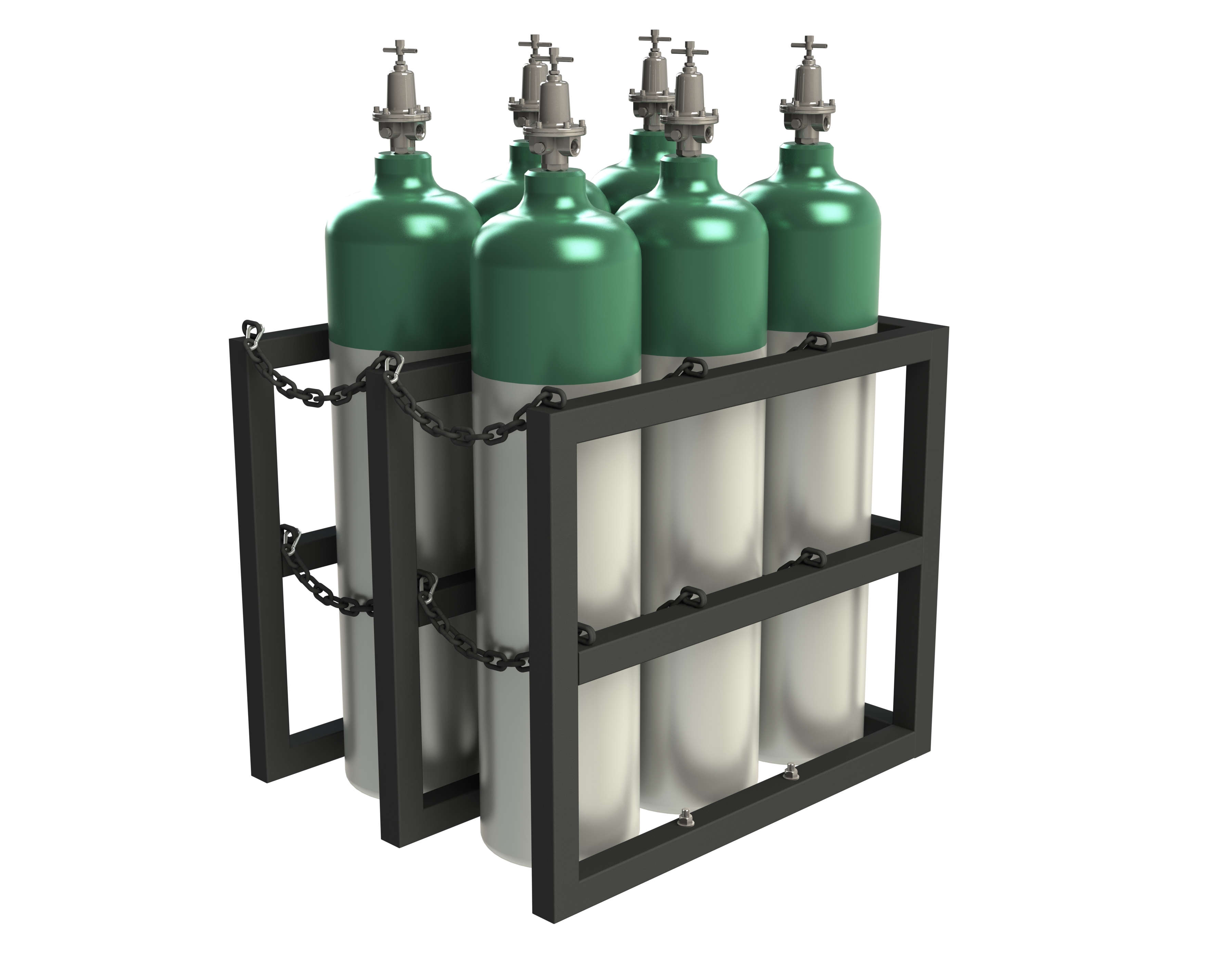
While advanced alternative technologies are emerging, traditional water-sealed and metal configurations remain the industry backbone. Heavy industries and municipal wastewater facilities prioritize these designs for their structural integrity, pressure stability, and proven track record in supply continuity. Nikhil Kaitwade, a principal consultant at Future Market Insights, notes that the transition to green energy is the primary catalyst, as suppliers who integrate lightweight, corrosion-resistant materials and automated pressure controls gain a distinct competitive edge.
Regional adoption varies significantly, with Japan leading the forecast at a 4.9% compound annual growth rate, fueled by state-backed hydrogen initiatives. The United Kingdom and the United States follow closely, supported by aggressive net-zero policies and decentralized energy storage projects. Although initial capital costs and strict emissions regulations present compliance hurdles, the integration of AI-based predictive maintenance is helping operators mitigate risk. As industrial complexes in major economies continue to modernize, the demand for large-capacity storage solutions—particularly those exceeding 1,000 KL—remains a critical component of the global clean energy transition.


Comments (0)
No comments yet. Be the first!