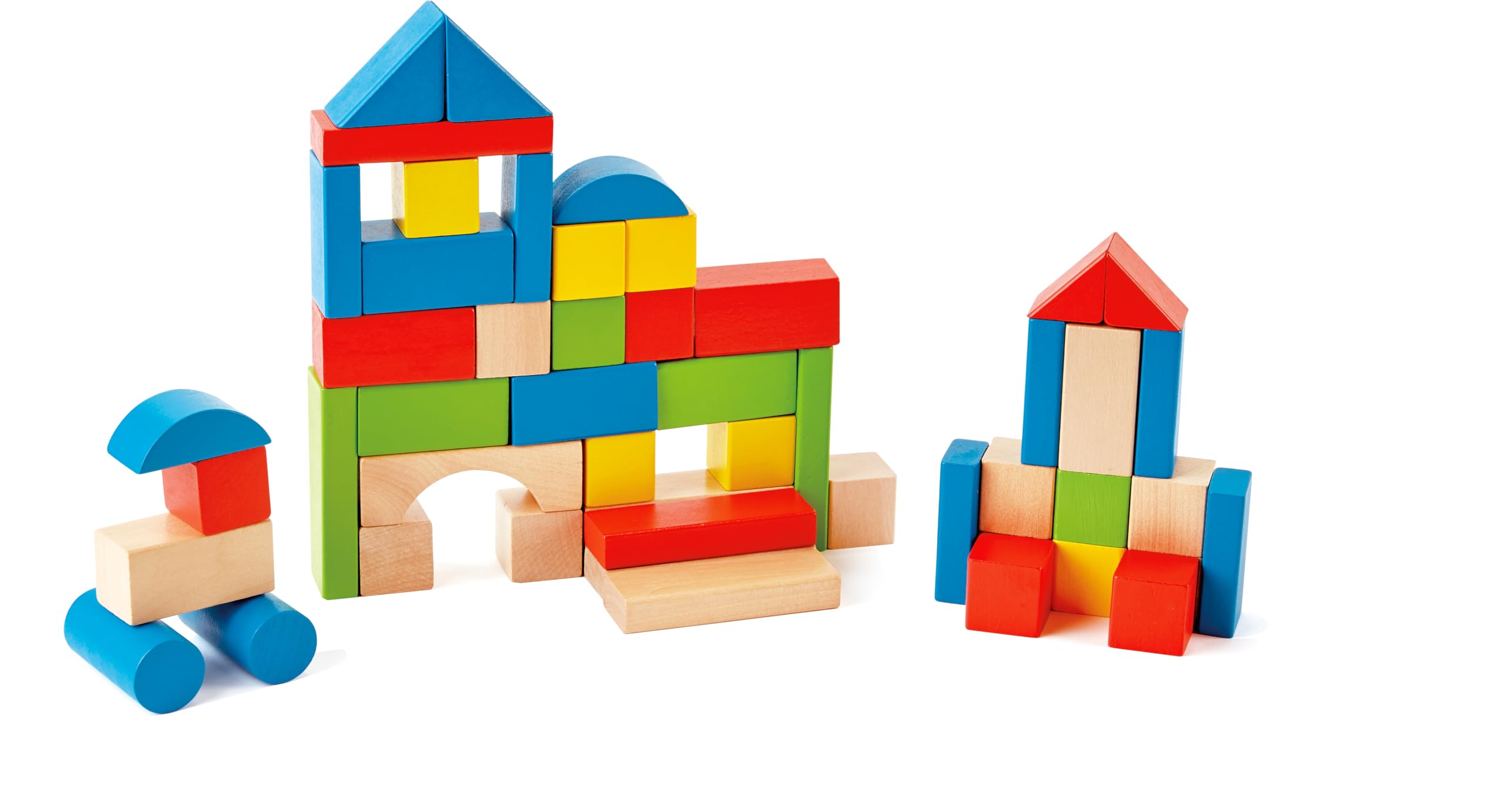
For children, play serves as a laboratory for exploration. According to Milik, shifting the focus from rigid instruction to open-ended play allows children to test hypotheses using blocks, puzzles, and art supplies. By navigating the consequences of their own choices, children move beyond following directions toward active experimentation. This process transforms mistakes into essential feedback, teaching them to pause, adjust, and persist.
Decision-making remains a central pillar of this developmental approach. Whether choosing materials or planning a structure, children practice evaluating options and predicting outcomes. This autonomy fosters flexible thinking, a trait that carries over into social interactions. Collaborative play, such as building with peers or negotiating roles in imaginative games, forces children to navigate different perspectives and work toward shared objectives.
Teachers and parents act as guides rather than problem-solvers. By asking reflective questions instead of providing immediate answers, adults encourage children to articulate their logic and refine their approach. This strategy extends into the home, where everyday tasks like sorting laundry or preparing meals become opportunities for critical thinking. By treating these interactions as learning milestones, caregivers reinforce the confidence children need to tackle increasingly complex challenges as they grow.



Comments (0)
No comments yet. Be the first!