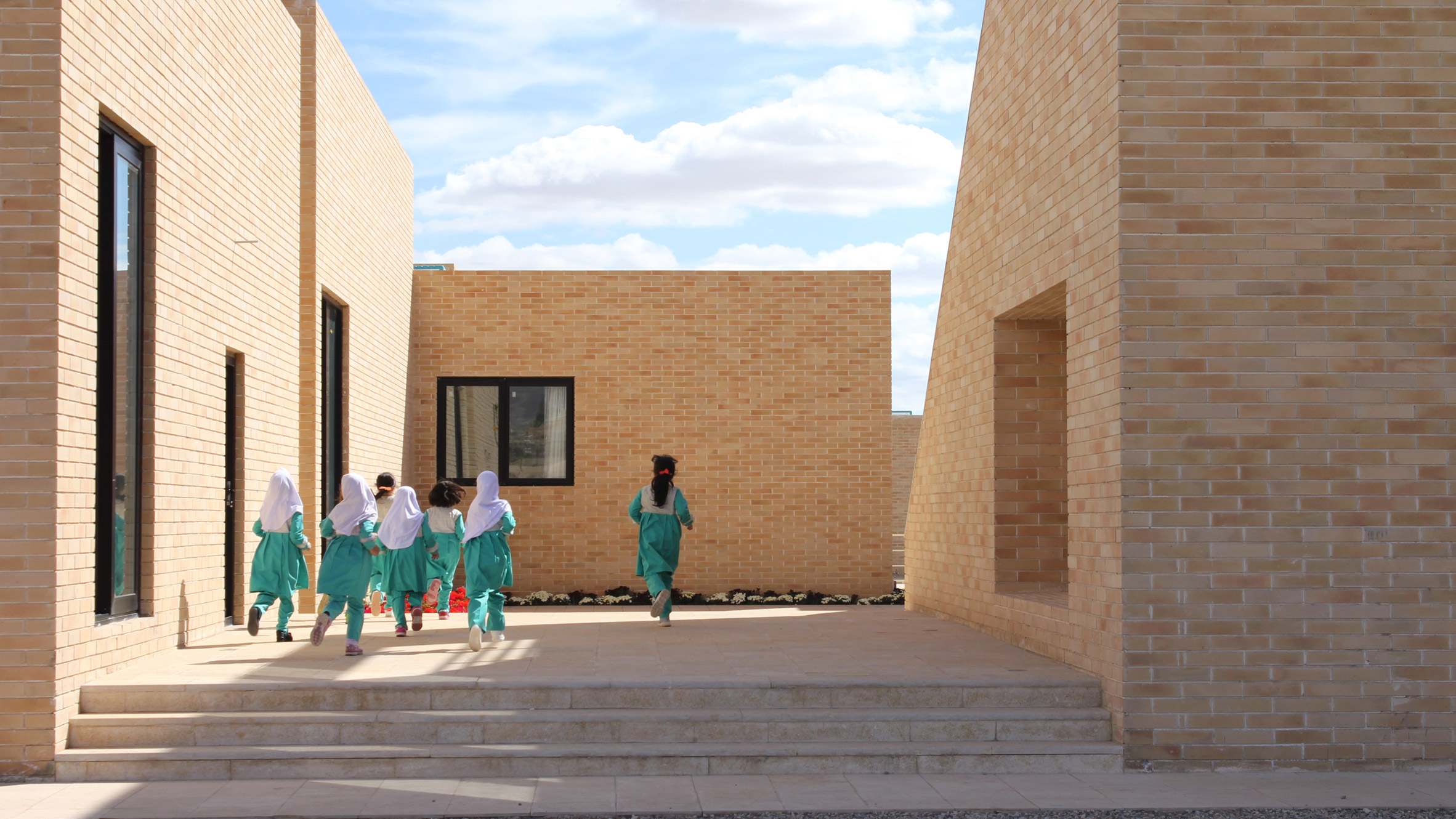
Three sources familiar with the internal military communication confirmed that officials were alerted that the intelligence used to vet targets had been gathered years prior and required re-verification. Despite these clear warnings, the site was added to the strike list to avoid delays in providing target packages during the early stages of the conflict. Officials reportedly understood within days that the strike was based on obsolete satellite imagery, which failed to account for a fence and separate entrance built in 2016 to isolate the school from an adjacent Islamic Revolutionary Guard Corps facility.
Defense Secretary Pete Hegseth has repeatedly declined to address the incident, citing an ongoing Pentagon investigation that critics describe as intentionally stagnant. Rep. Adam Smith, the ranking member of the House Armed Services Committee, has publicly challenged the military’s lack of accountability, accusing leadership of a callous disregard for civilian life. While President Donald Trump dismissed the tragedy as a byproduct of war, legal experts like Rutgers Law Professor Adil Haque have labeled the decision to proceed with the strike despite known intelligence failures as inexcusable.



Comments (0)
No comments yet. Be the first!