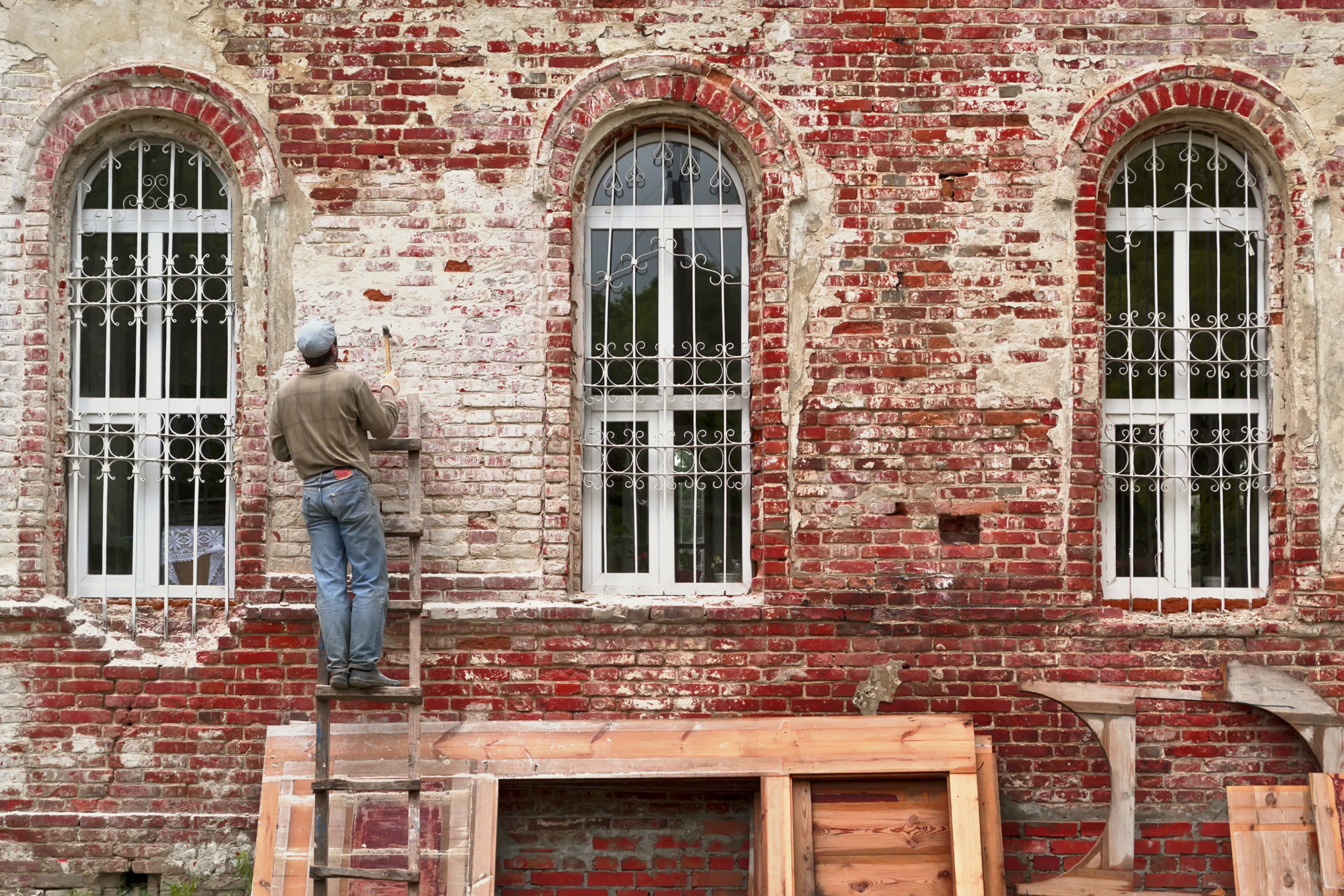
A restoration project begins long before the first tool is lifted. Property owners should prioritize contractors with a proven portfolio of complex sites, such as courthouses, museums, and churches. This specific experience is vital, as these buildings demand a delicate balance between structural integrity and artistic preservation. Swiatek emphasizes that firms must demonstrate a deep understanding of how historic materials behave over time, rather than relying on modern, "quick-fix" construction methods.
Technical proficiency in near-lost arts—such as lime plastering, wood carving, and gilding—is non-negotiable. A qualified team should be able to verify the training of their artisans and explain how they maintain authenticity in every repair. Beyond skill, the project must adhere to established preservation standards, such as those set by the National Park Service, which prioritize the reinforcement of original materials over total replacement.
Communication remains the backbone of the process. Historic structures frequently hide structural weaknesses or incompatible past repairs that only surface once work commences. A professional firm must document these discoveries transparently and maintain a rigorous, sequenced plan to protect delicate features like stained glass or carved wood from damage during the renovation. Ultimately, the contractor acts as a caretaker, ensuring that the building’s original identity is respected and that every intervention remains reversible for future generations.



Comments (0)
No comments yet. Be the first!