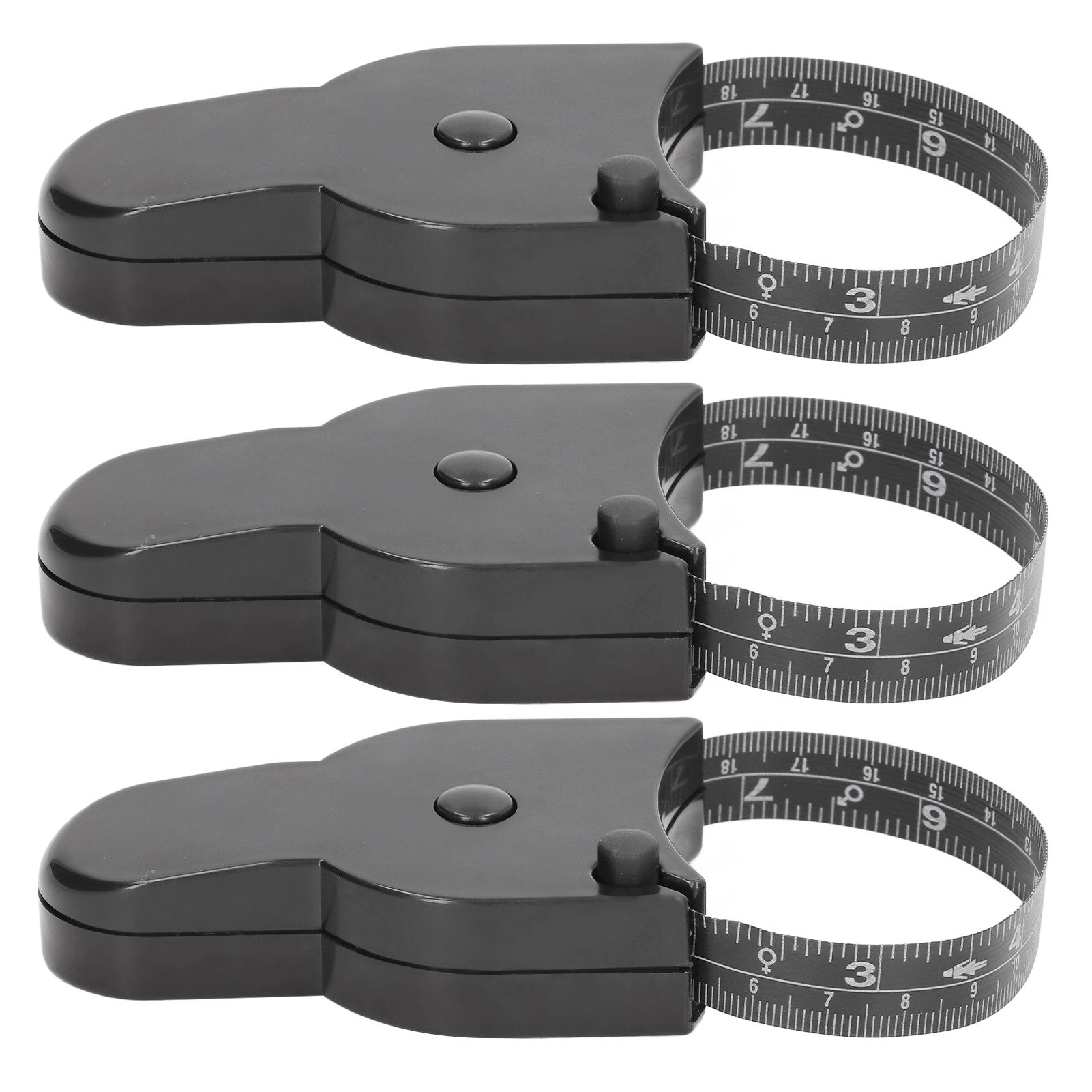
The updated standards, developed by the association’s Professional Practice Committee, introduce a shift in how clinicians identify and treat obesity. Rather than relying solely on BMI, the new protocol integrates waist measurements and population-specific thresholds to capture central adiposity, which doctors now recognize as a primary indicator for formal diagnosis even when BMI remains in the overweight range. These recommendations are designed to be embedded directly into existing clinical workflows.
Beyond diagnostic metrics, the guidance advocates for the Edmonton Obesity Staging System to better categorize risk levels. By incorporating medical, behavioral, and social assessments, the framework aims to minimize weight stigma and foster more respectful patient-provider communication. Victoria Bouhairie, the association's senior vice president of obesity and prevention, emphasized that the goal is to reduce chronic underdiagnosis by providing actionable tools that treat obesity as a multifactorial condition rather than a simple weight management issue. The initiative reflects a broader effort to address the fact that obesity accounts for nearly 53% of new type 2 diabetes cases annually in the United States.



Comments (0)
No comments yet. Be the first!