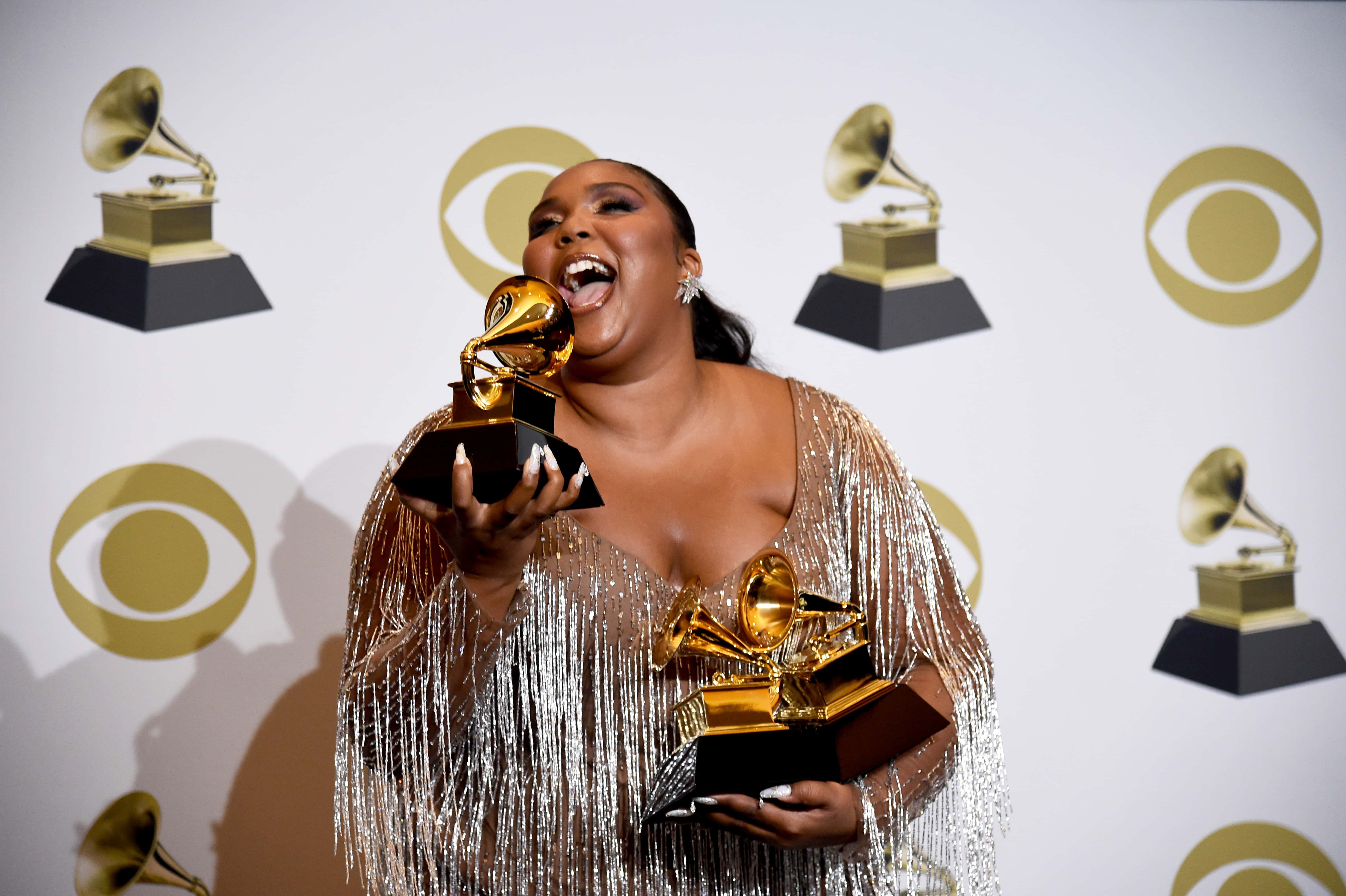
On the “Swiftologist” podcast, Melissa Jefferson, known as Lizzo, admitted she took the album’s performance to heart, confessing she felt stressed after believing she had produced some of her strongest work. She expressed frustration with her label, alleging that marketing budgets were not being utilized effectively to support her vision. During the weeks leading up to the release, she attempted to generate grassroots momentum herself, hanging posters and engaging directly with fans to recapture the energy of her 2019 breakthrough.
Social media users have largely rejected these explanations, suggesting that the singer is ignoring the impact of recent controversies on her public image. Critics on platforms like X argued that the decline in her commercial appeal is a direct consequence of a damaged reputation rather than a failure of industry mechanics. One Rolling Stone analysis reinforced this skepticism, noting that the album sold only 2,649 copies in its debut week—a sharp decline from her previous record, “Special,” which moved 39,000 units. Observers suggest that without a dedicated core fanbase, the singer’s reliance on radio-driven hits has left her vulnerable in a market that now demands more consistent audience loyalty.


Comments (0)
No comments yet. Be the first!