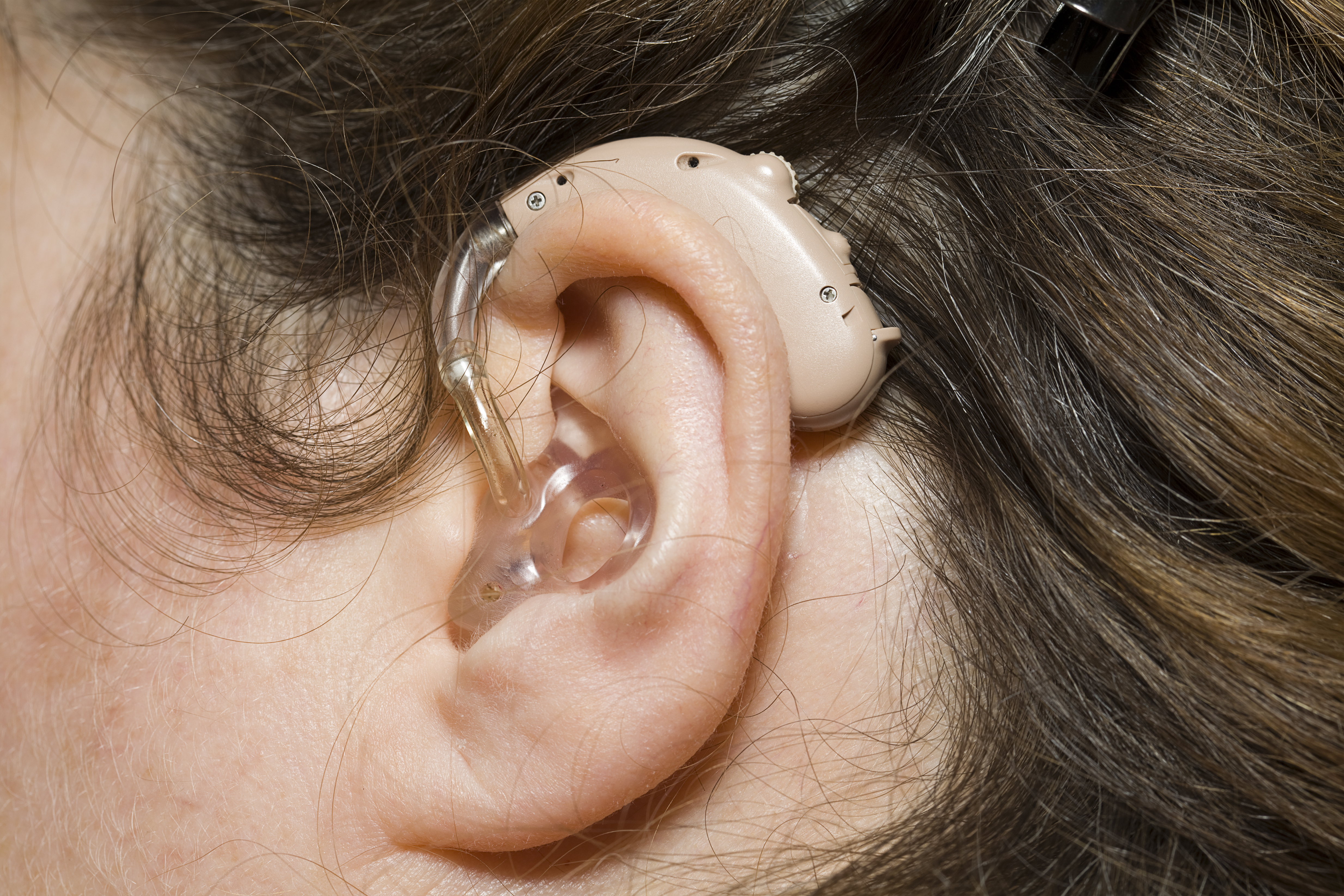
Researchers from University Hospital Zurich and the University of Liverpool examined health records for over 250 million patients via the TriNetX network. While the study found no significant link between hearing aid use and dementia prevention in the general hearing-impaired population—or those with conditions like stroke, diabetes, or heart failure—the cohort living with epilepsy showed a distinct benefit. This equates to an absolute risk reduction of 2.7 percentage points over a five-year window, or one prevented case for every 37 users.
Dr. Carolina Ferreira-Atuesta, lead author of the study, attributes this disparity to the concept of cognitive reserve. Because epilepsy often compromises the brain's ability to withstand damage, the added strain of untreated hearing loss proves more destructive than in the average adult. By correcting hearing, patients may alleviate significant neurological pressure. Given that epilepsy patients already maintain consistent contact with medical providers, the team suggests that incorporating routine hearing screenings into standard epilepsy care could offer a straightforward, high-impact clinical intervention.


Comments (0)
No comments yet. Be the first!