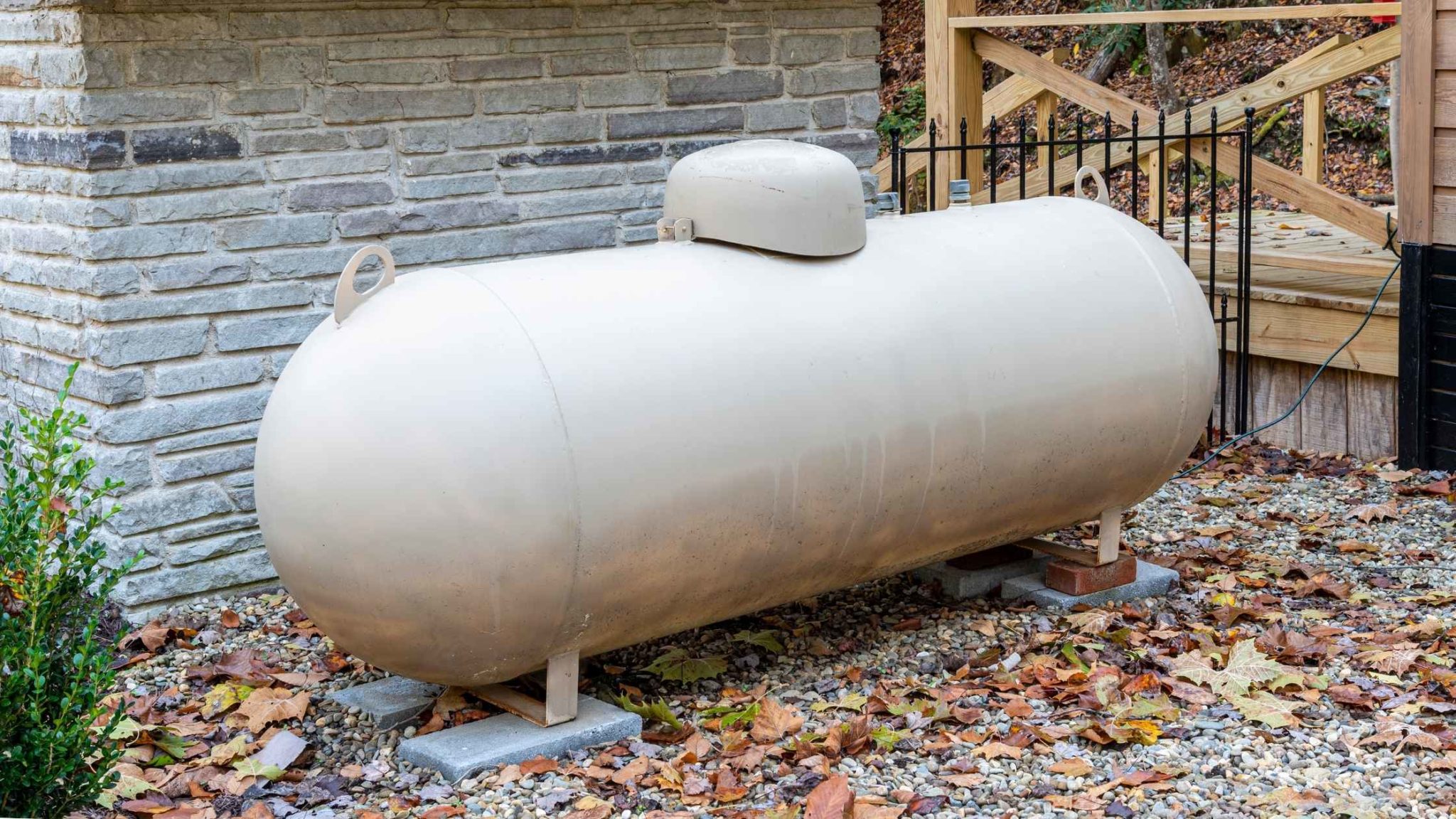
The shift away from traditional oil heating is gaining momentum, particularly in Massachusetts, where new emissions reporting requirements and a 2026 Clean Heat Standard are creating immediate fiscal pressure. While New Hampshire has yet to adopt similar mandates, regional market dynamics ensure that the cost of maintaining oil-based infrastructure will continue to climb. Beyond the rising surcharge forecasts, the financial risk of oil extends to property ownership; homeowners remain legally liable for remediation costs that can exceed $100,000 in the event of a tank leak. Conversely, propane systems eliminate soil and groundwater contamination risks, as the fuel dissipates harmlessly if a line is compromised.
Operational efficiency serves as a secondary driver for the transition. Modern propane furnaces and boilers achieve performance ratings between 90 and 98 percent, comfortably outperforming the 80 to 87 percent range typical of standard oil systems. These units also provide greater autonomy during New England’s harsh winters, as propane storage remains unaffected by electrical grid outages or the freezing issues that frequently plague oil lines. For Lowell Richard, Director of Propane & Oil Distribution at the Danvers-based firm, the decision to switch is becoming a matter of basic household planning. Beyond heating, the versatility of propane supports whole-home standby generators, tankless water heaters, and various indoor appliances, effectively insulating property owners against both fuel price spikes and utility-dependent infrastructure failures.



Comments (0)
No comments yet. Be the first!