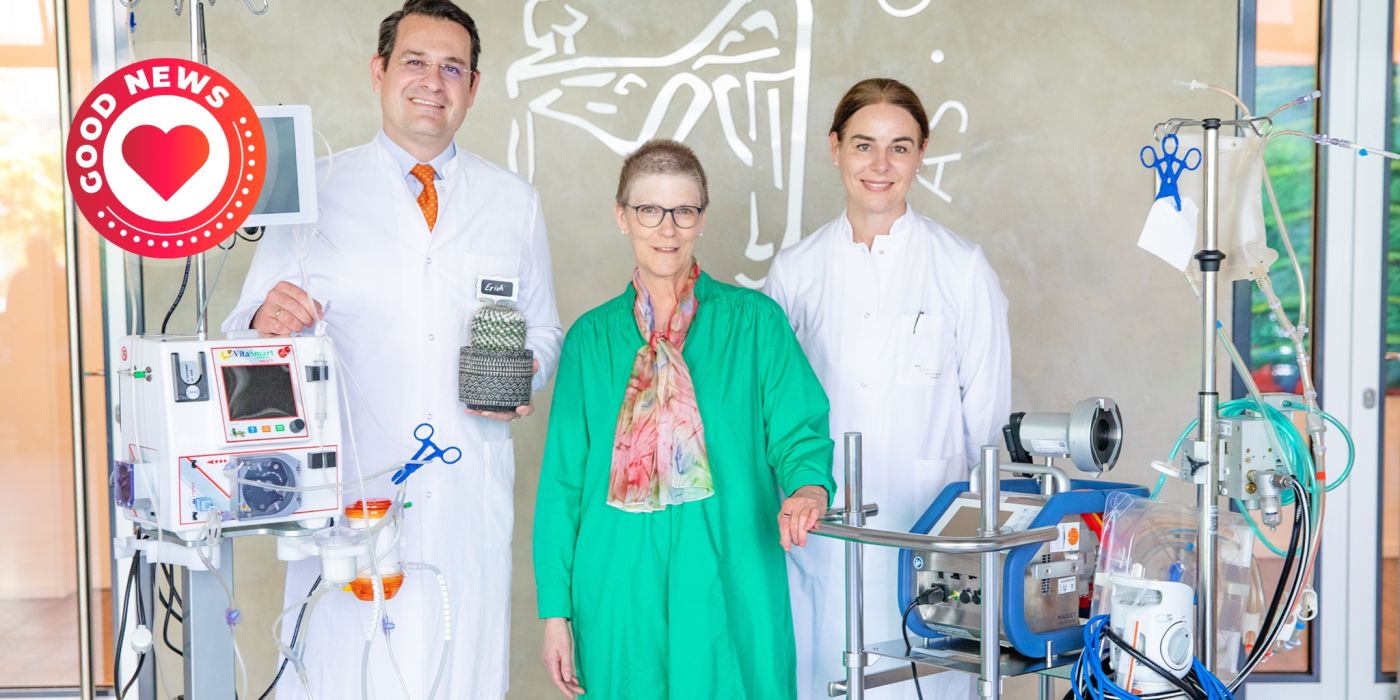
The studies, unveiled in Boston, highlight the capacity of HOPE to mitigate ischemia-reperfusion injury by stabilizing mitochondrial metabolism. In the uterus study, researchers evaluated six organs from deceased donors—three following brain death and three after circulatory death—over eight hours of perfusion. The data showed that the VitaSmart system successfully reduced biochemical markers of injury, such as flavin mononucleotide (FMN), compared to standard static cold storage. This suggests a pathway for using deceased donor uteri, which has historically been limited by ischemic damage.
Simultaneously, a comparative analysis of twenty small intestine grafts weighed HOPE against normothermic machine perfusion. Findings revealed that the HOPE group exhibited significantly lower levels of mitochondrial damage, positioning it as a superior method for preserving the metabolic function of intestinal tissue. While the VitaSmart system is currently FDA-cleared only for liver transplantation, Bridge to Life executives view these results as a critical step toward unlocking new clinical markets. The company emphasizes that current transplant volume is capped by preservation limitations rather than clinical need, and these findings offer a strategy to utilize organs previously deemed unsuitable for surgery.


Comments (0)
No comments yet. Be the first!