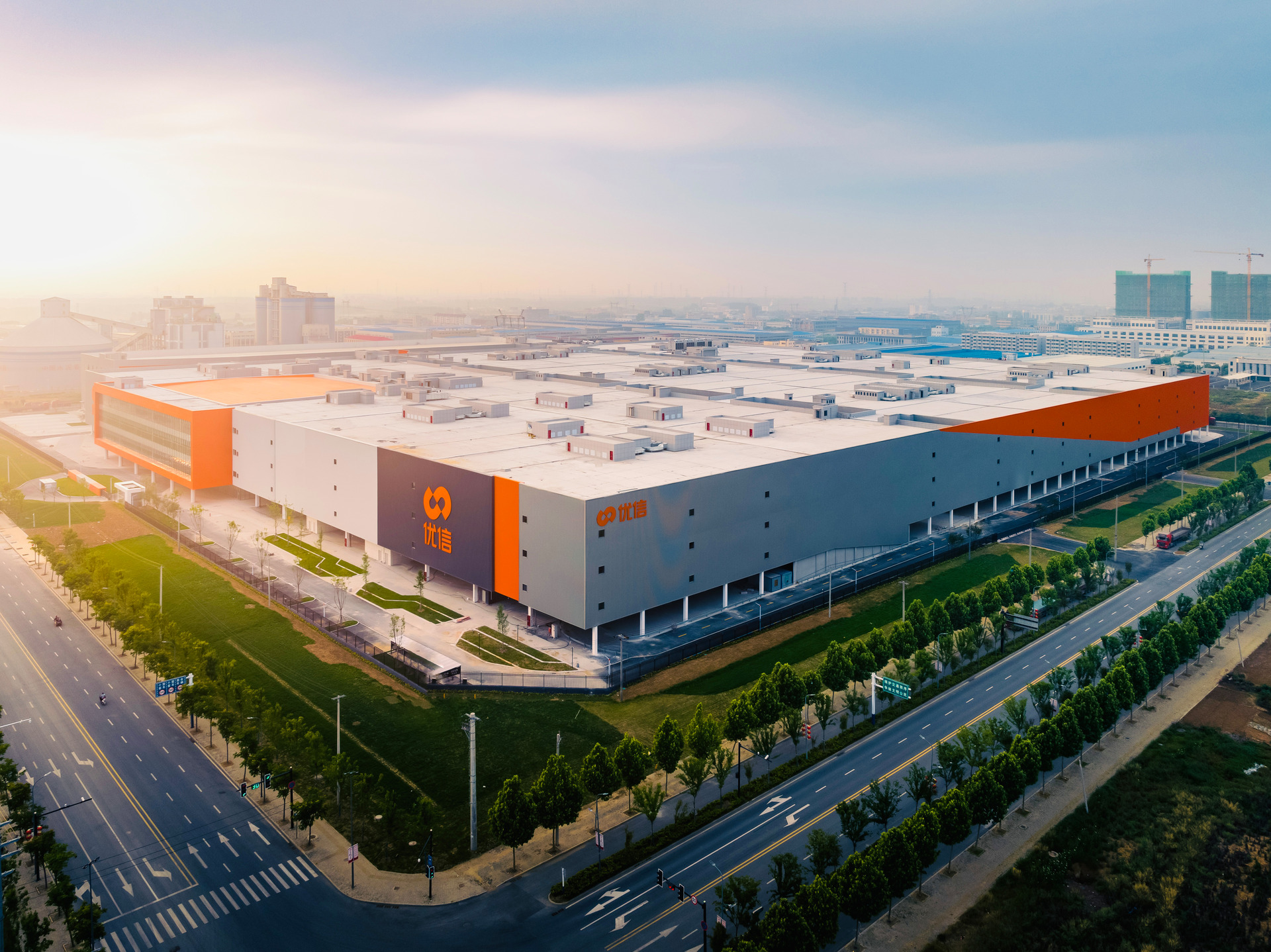
The automotive sector in China is shifting from a new-sales-driven environment to one centered on its massive ownership base of approximately 370 million vehicles. While new passenger vehicle sales dropped nearly 20% in the first five months of 2026, Uxin maintains that demand for pre-owned vehicles remains resilient. The company reports that used car transaction volumes grew by roughly 2% during the same period, even as prices for mainstream internal combustion engine vehicles fell by 10% to 15%.
Uxin management characterizes this downturn as a maturation phase, noting that residual values for three-year-old cars have dropped from roughly 70% of new vehicle prices to between 58% and 60%, aligning more closely with established global markets. To navigate this volatility, the company is doubling down on its integrated factory-warehouse retail model. By utilizing proprietary machine learning algorithms to manage inventory and pricing, Uxin claims it can maintain faster turnover rates than traditional fragmented dealers.
With six superstores now operational, the company aims to open another 4 to 6 locations in 2026. While the firm currently faces short-term margin pressure, it points to the success of its mature Xi’an location—which reached a 25% local market share—as proof that the model is scalable. To fuel this expansion, Uxin is relying on a mix of inventory financing and roughly $40 million in pending equity commitments, betting that its data-driven approach will consolidate a market currently served by over 500,000 small, independent dealers.


Comments (0)
No comments yet. Be the first!