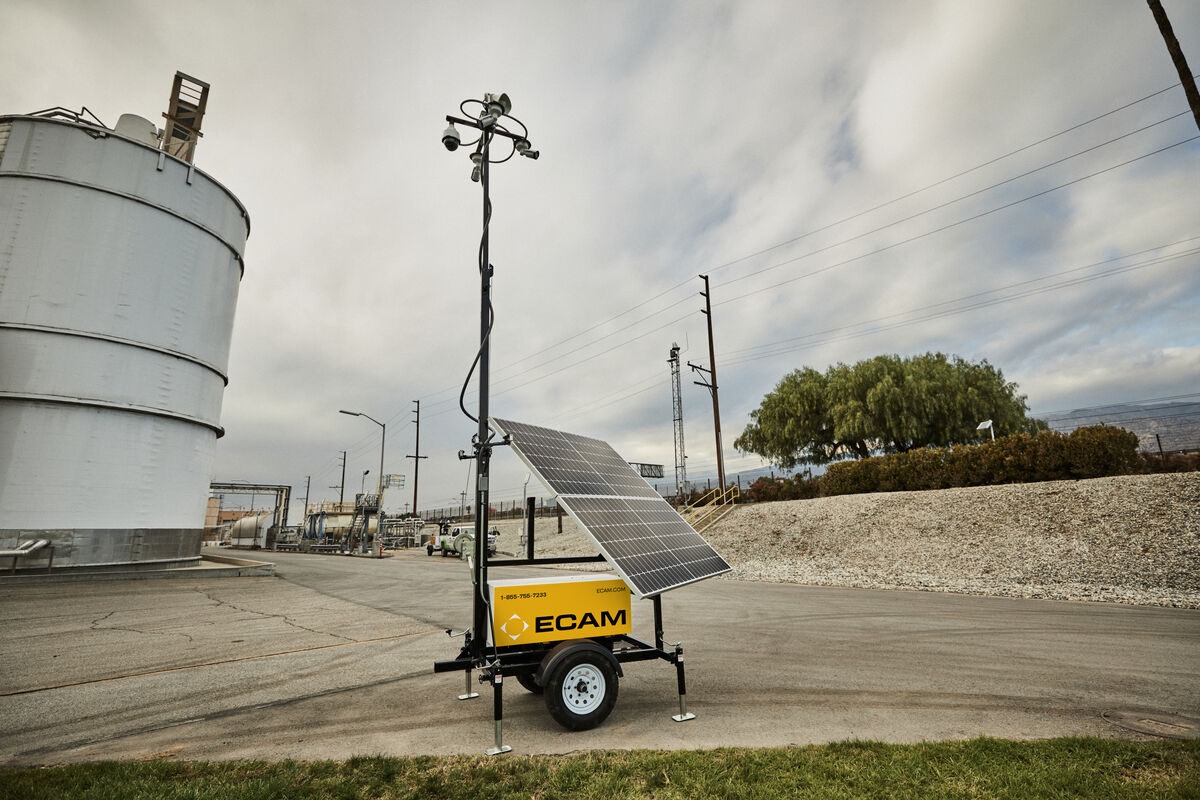
The scale of the threat has transformed security requirements for distribution centers and expansive outdoor yards. Traditional systems, which only document crimes after they occur, are failing to deter sophisticated syndicates. Industry data shows a 60 percent year-over-year jump in financial losses, forcing companies to reconsider how they secure assets during overnight periods and transit breaks.
ECAM, a major provider of AI-surveillance, argues that the transition must move from reactive documentation to real-time intervention. By pairing AI detection with live monitoring specialists, firms can now trigger audio warnings or alert law enforcement the moment suspicious activity occurs. This model has already yielded tangible results; one multinational logistics company reported over $10.7 million in savings after integrating centralized monitoring, gate management, and mobile surveillance units across its network. As theft patterns become more selective and organized, the industry is increasingly viewing human-verified, technology-driven responses as the primary defense against systemic supply chain vulnerabilities.


Comments (0)
No comments yet. Be the first!