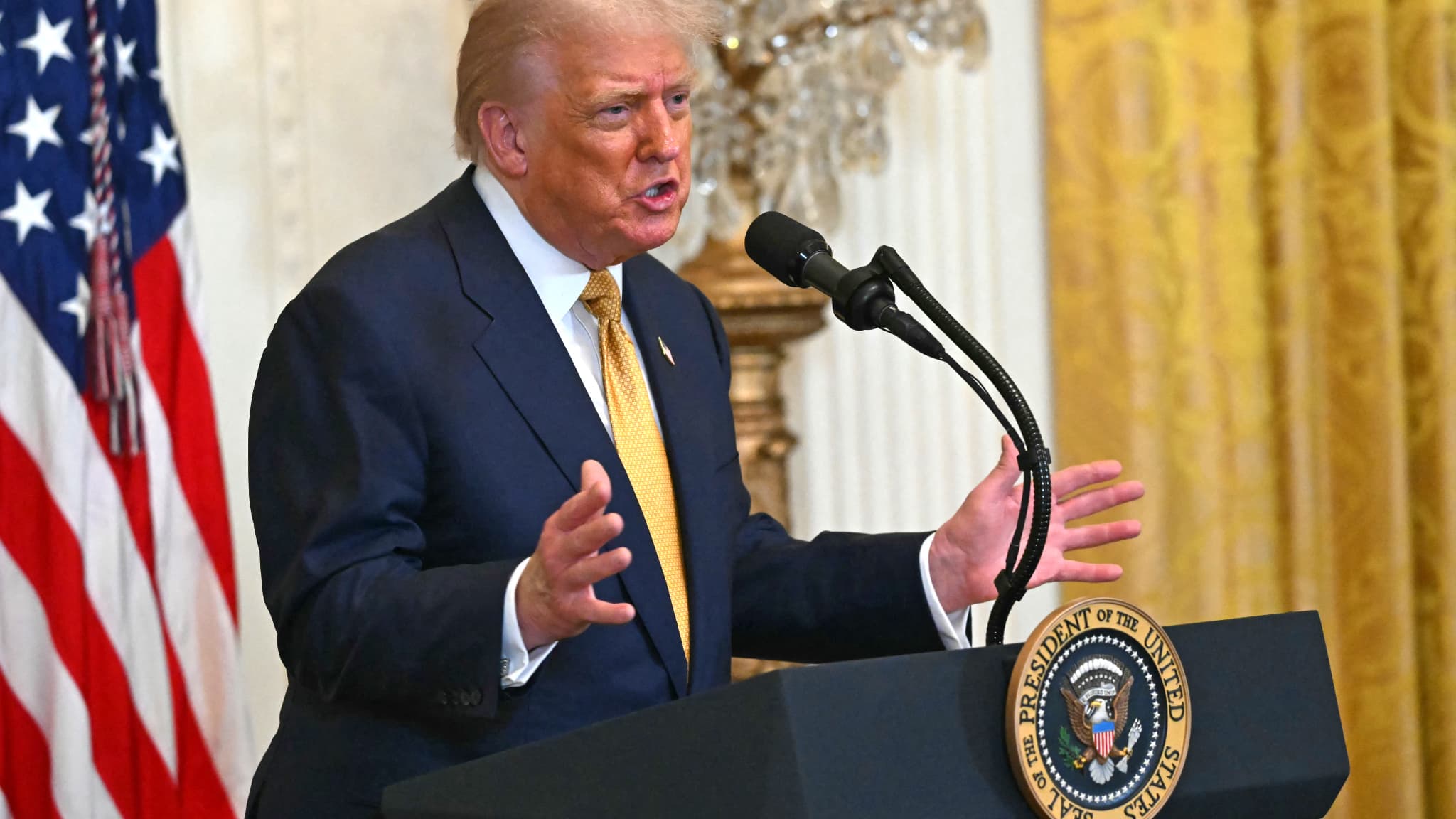
The executive order targets a movement that lacks any central leadership or formal structure, consisting instead of autonomous individuals opposed to fascism. Experts note that federal law provides no mechanism for the president to label a domestic group as a terrorist entity, a designation currently reserved exclusively for foreign organizations like ISIS or al-Qaeda. By equating a fluid ideological movement with international terror groups, the administration appears to be setting a precedent that could criminalize any form of anti-government demonstration.
Legal observers suggest the directive serves as a policy signal rather than a statute with immediate legal force. However, critics argue the language deliberately mirrors existing FBI investigative authorities, effectively providing a green light for law enforcement to increase surveillance on political activists. Chip Gibbons of Defending Rights and Dissent warned that the order exploits current FBI guidelines, which already facilitate preemptive investigations into political speech under the guise of counterterrorism.
The timing of the order coincides with a period of heightened friction between federal agencies and civil society. From the deployment of troops to cities to violent confrontations involving Immigration and Customs Enforcement agents—such as the recent incident where a congressional candidate was forcibly tackled at a protest—the administration has signaled an increasingly aggressive posture toward domestic opposition. As journalist Erin Overbey noted, the order’s sweeping scope suggests that anyone protesting government policy or agency actions could find themselves labeled a terrorist, marking a significant escalation in the federal government’s approach to protected speech.


Comments (0)
No comments yet. Be the first!