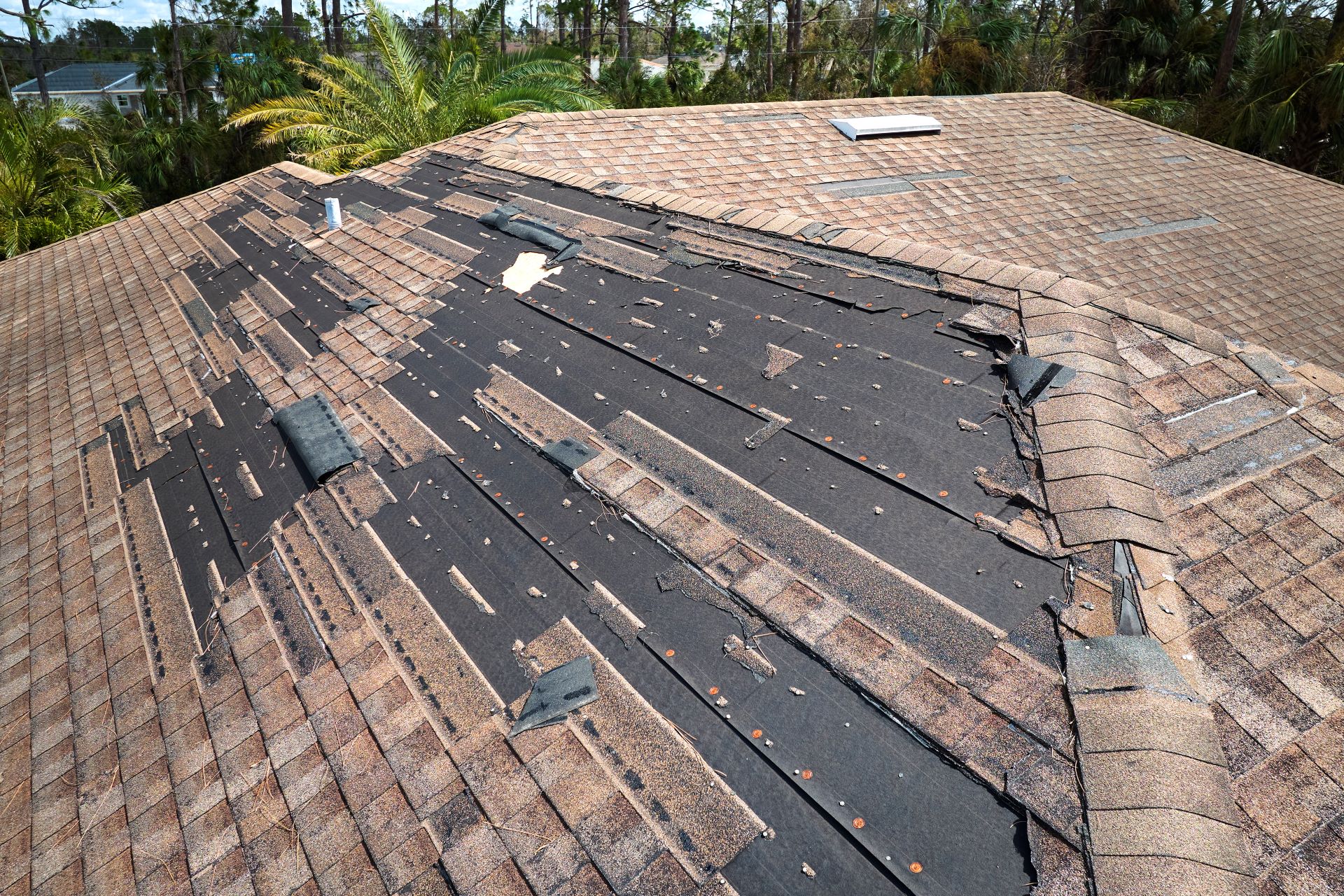
For residential and commercial property owners, the decision to replace or repair a roof often hinges on identifying systemic failures rather than isolated incidents. While a single leak may stem from localized storm damage, multiple leaks across different areas suggest widespread deterioration of the decking or insulation. Fahey highlights that asphalt shingles typically reach their limit after 20 to 25 years, becoming brittle and increasingly susceptible to sudden failure as they age.
Visible surface degradation—such as curling shingles, missing granules, or blistered commercial membranes—serves as a primary indicator of broader structural decline. When these visual cues are accompanied by sagging rooflines or persistent ponding water, the system is likely compromised beyond the scope of simple maintenance. Beyond the immediate structural risk, these conditions often lead to increased energy consumption and interior damage, particularly in humid coastal climates like Maryland’s Eastern Shore.
Financial prudence also dictates the timing of these projects. A pattern of escalating annual repair costs frequently outweighs the investment of a new installation. By choosing replacement over continuous patchwork, owners improve the long-term performance of their building and mitigate the risk of catastrophic interior failure. Ultimately, the assessment requires a holistic view of the roof’s age, material integrity, and historical maintenance performance.


Comments (0)
No comments yet. Be the first!