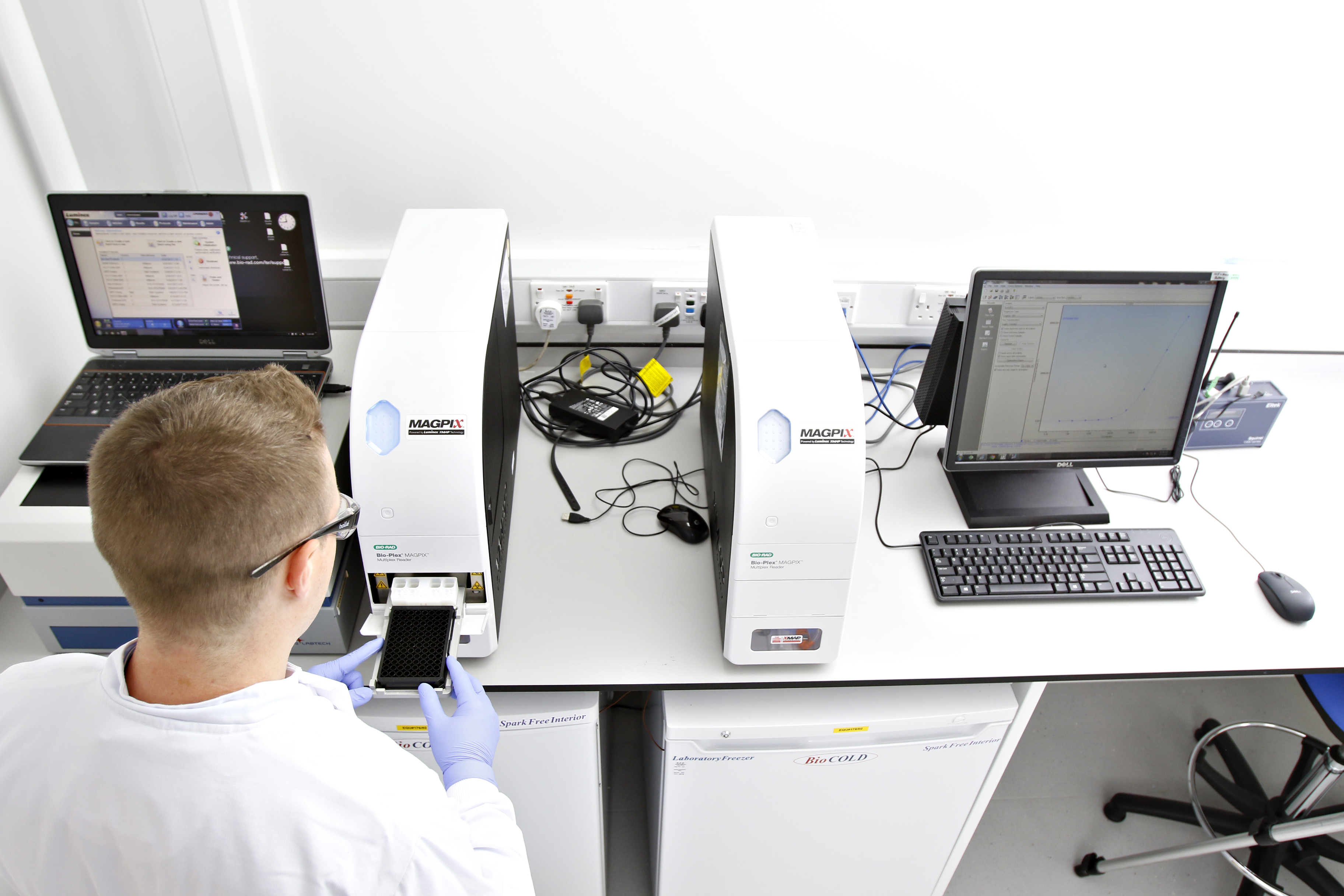
As healthcare systems integrate personalized treatment strategies, the demand for high-accuracy diagnostic platforms is accelerating. PD-L1 assays have become a cornerstone for identifying patient eligibility for immunotherapy, particularly in cases of non-small cell lung cancer, which currently accounts for 63.5% of the test segment. Hospitals remain the primary end-users, capturing a 38.7% share of the market as they modernize laboratory workflows and adopt automated pathology systems.
Technological progress in immunohistochemistry, PCR, and next-generation sequencing is driving this transition, with AI-assisted pathology platforms further enhancing diagnostic consistency. Market growth is most pronounced in the United Kingdom and Japan, where healthcare modernization and an aging demographic are fueling annual growth rates exceeding 9%. Analysts note that competitive advantage in this sector now hinges on a combination of assay sensitivity, regulatory compliance, and the ability to integrate seamlessly into existing oncology research and treatment pipelines.



Comments (0)
No comments yet. Be the first!