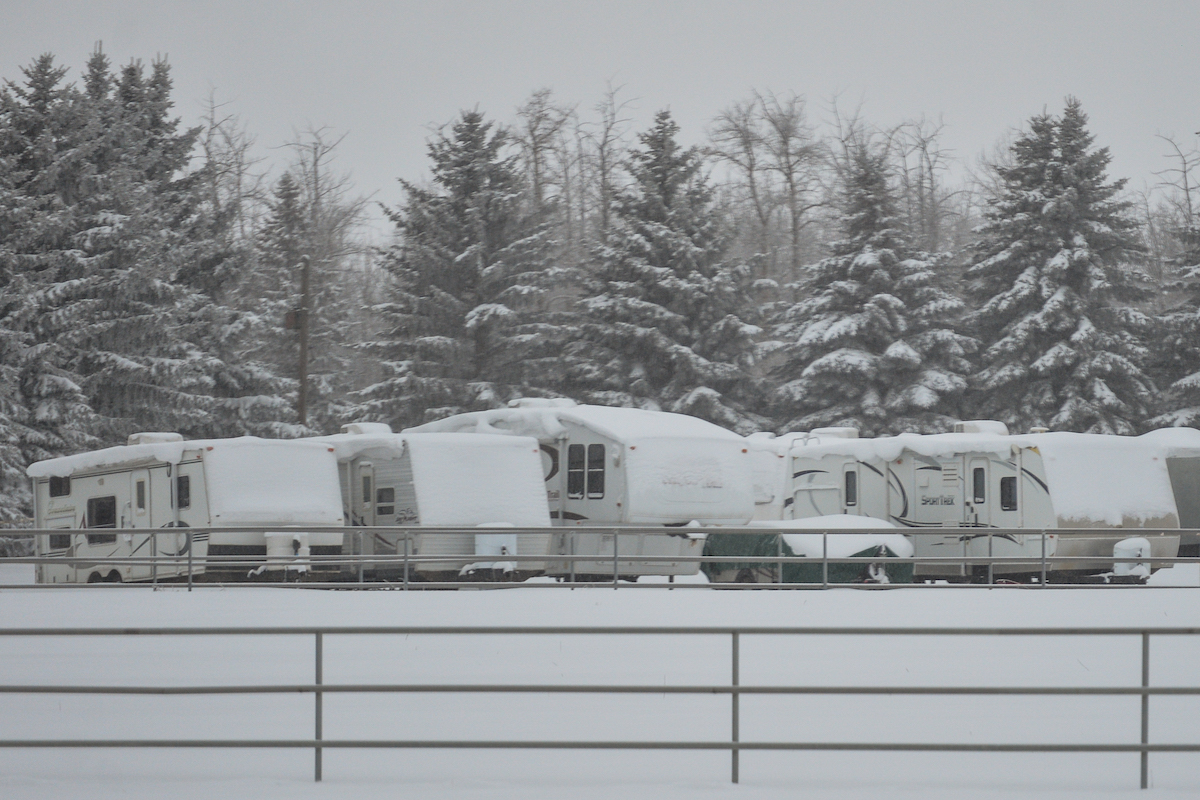
The primary threat to plumbing systems is expansion from freezing, which frequently leads to cracked fittings and catastrophic damage. Weber advises a complete drainage of all freshwater tanks, holding tanks, and lines. For boat owners, this process must extend to bilge pumps and live wells to prevent structural compromise and mold development during the dormant months.
Electrical and mechanical longevity relies on proactive maintenance. Removing batteries for storage in a cool, dry environment prevents discharge and corrosion, while using a maintainer keeps cells viable. Simultaneously, tires require inflation to manufacturer specifications to avoid flat spots, and exterior covers should be breathable to allow for essential airflow while shielding the vehicle from snow and ice accumulation.
Interior hygiene serves as a critical barrier against pests. Removing all food sources and perishables, combined with the use of moisture absorbers, mitigates the risks of odors and rodent damage to wiring and insulation. Finally, the choice of storage facility dictates the level of exposure to environmental stressors, with indoor or covered options providing the most robust defense against the region's unpredictable weather patterns.



Comments (0)
No comments yet. Be the first!