The Israeli army said it was targeting “terrorist infrastructure” in residential areas. After the assault began, Israel’s Coordinator of Government Activities in the Territories urged residents on social media to stay away from areas where Israeli forces were operating. The incursion was the first ground operation in this part of central Gaza since the ceasefire took effect last October.
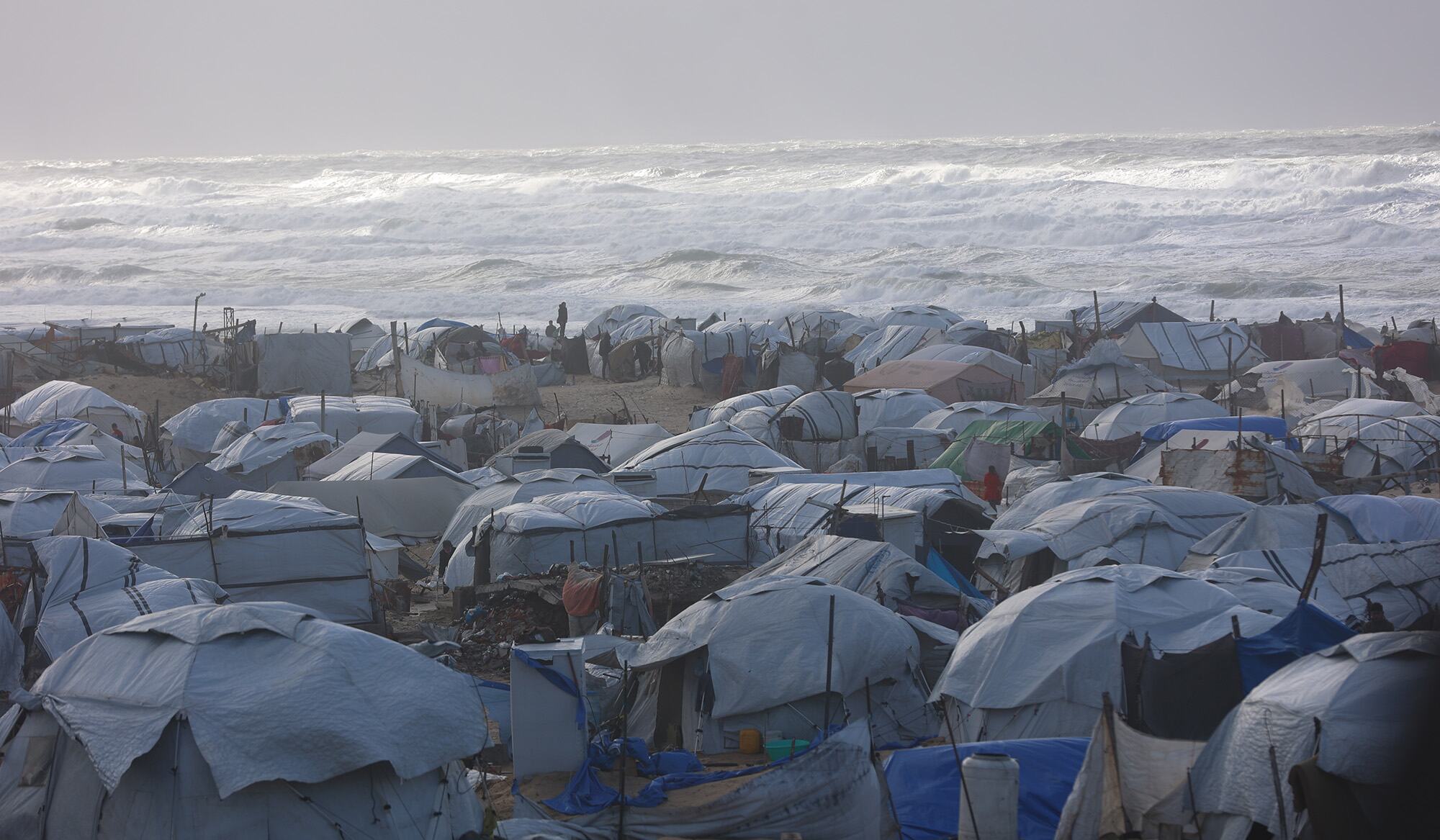
Gaza’s Ministry of Social Development warned that the operation threatened tens of thousands of displaced people and could force another wave of displacement. Hamas called it a violation of the ceasefire and condemned evacuation orders issued under bombardment.
Israel has expanded its control in Gaza since the agreement was signed and has killed more than 1,600 Palestinians in near-daily strikes, the source article says. Defense Minister Israel Katz said the military was prepared to seize more territory in the event of further escalation, describing the areas as potential permanent parts of Israel’s security zones. He said Prime Minister Benjamin Netanyahu supported the policy. Netanyahu directed the military in May to seize at least 70% of Gaza, compared with the 53% it was meant to control temporarily under the original agreement. In September, Netanyahu said Israel controlled 60% and was “not withdrawing.” Finance Minister Bezalel Smotrich has called for annexation up to at least the yellow line and advocated resettling the territory with Israeli settlers.
The assault followed attacks over the past week that killed at least 37 Palestinians, including six people at Nasser Hospital in Khan Younis on November 12. On Tuesday, Israeli forces killed at least four people, including six-year-old Eyas Ahmed al-Namnam. Eleven-year-old Mansour Khader Nabhan died Wednesday at al-Shifa Hospital after being critically injured in a drone attack in northern Gaza, according to the source article.
A report by the Gaza Board of Peace to the UN Security Council said Israeli attacks and restrictions on supplies, alongside funding shortfalls, were putting the ceasefire at risk. The board warned that a ceasefire “that delivers nothing visible cannot be sustained indefinitely.” Save the Children chief executive Inger Ashing said nearly one child had been killed every day since the ceasefire was announced. Human Rights Watch’s acting Israel and Palestine researcher Sarah Sanbar said families continued to live in tents under bombardment without enough food or drinking water.



Comments (0)
No comments yet. Be the first!