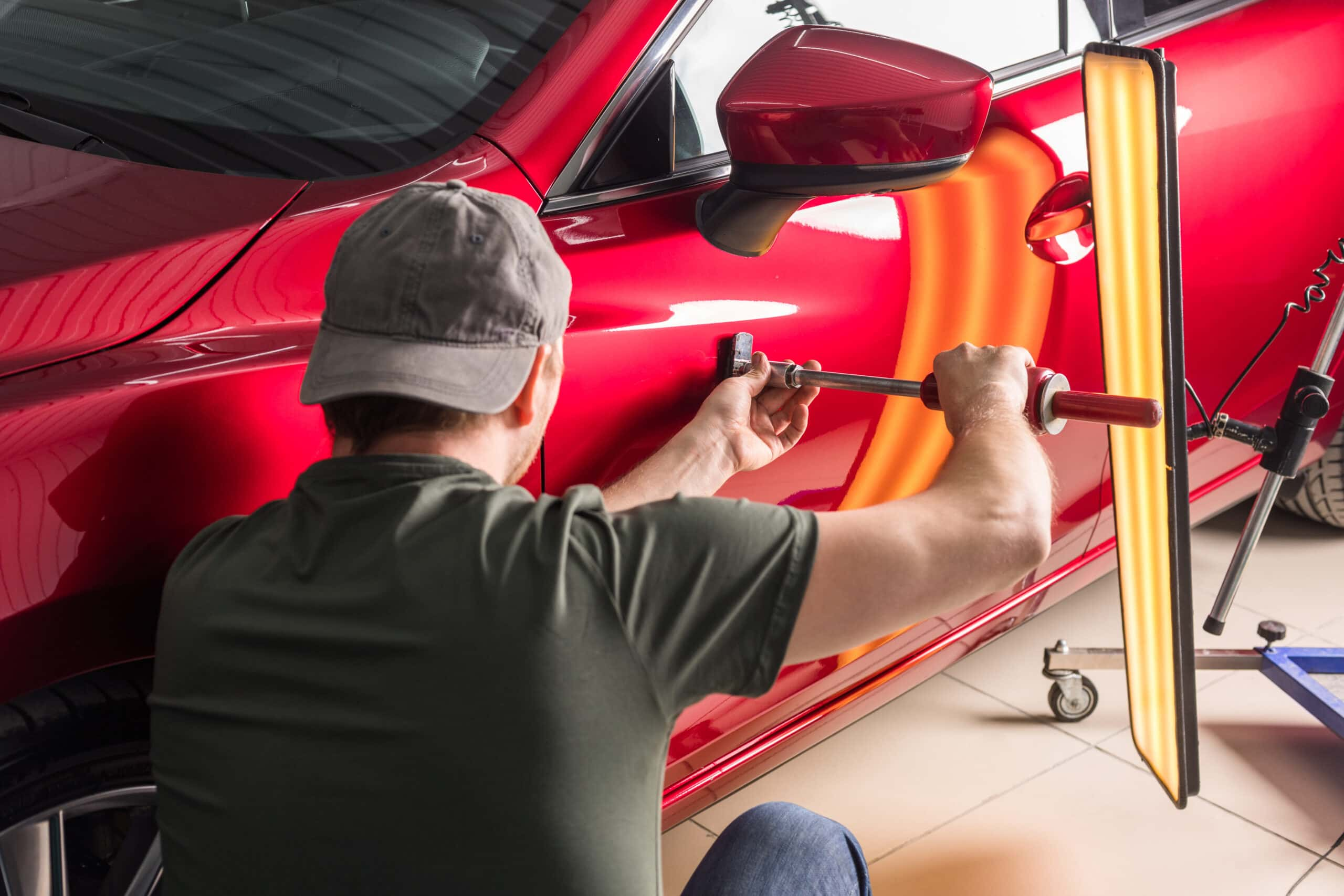
Paint condition serves as the primary gateway for evaluation. If the factory finish remains intact, technicians can focus on reshaping the underlying metal without the need for fillers or repainting. However, depth and sharpness often outweigh sheer size in importance. A broad, shallow depression may yield easily to pressure, whereas a smaller, sharper dent can indicate metal fatigue that resists standard PDR techniques.
Structural design elements like body lines and creases add complexity to the process. Because these lines are integral to the vehicle's frame, damage here requires a more nuanced approach. Technicians must also account for the history of the panel; previous bodywork or stretched metal can alter how the material responds to force. Access remains a final, critical hurdle, as the ability to reach the reverse side of the panel often dictates the feasibility of the repair. According to Fairfield, these variables do not exist in isolation, and a comprehensive inspection is the only way to determine if a vehicle is a candidate for this non-invasive method.



Comments (0)
No comments yet. Be the first!