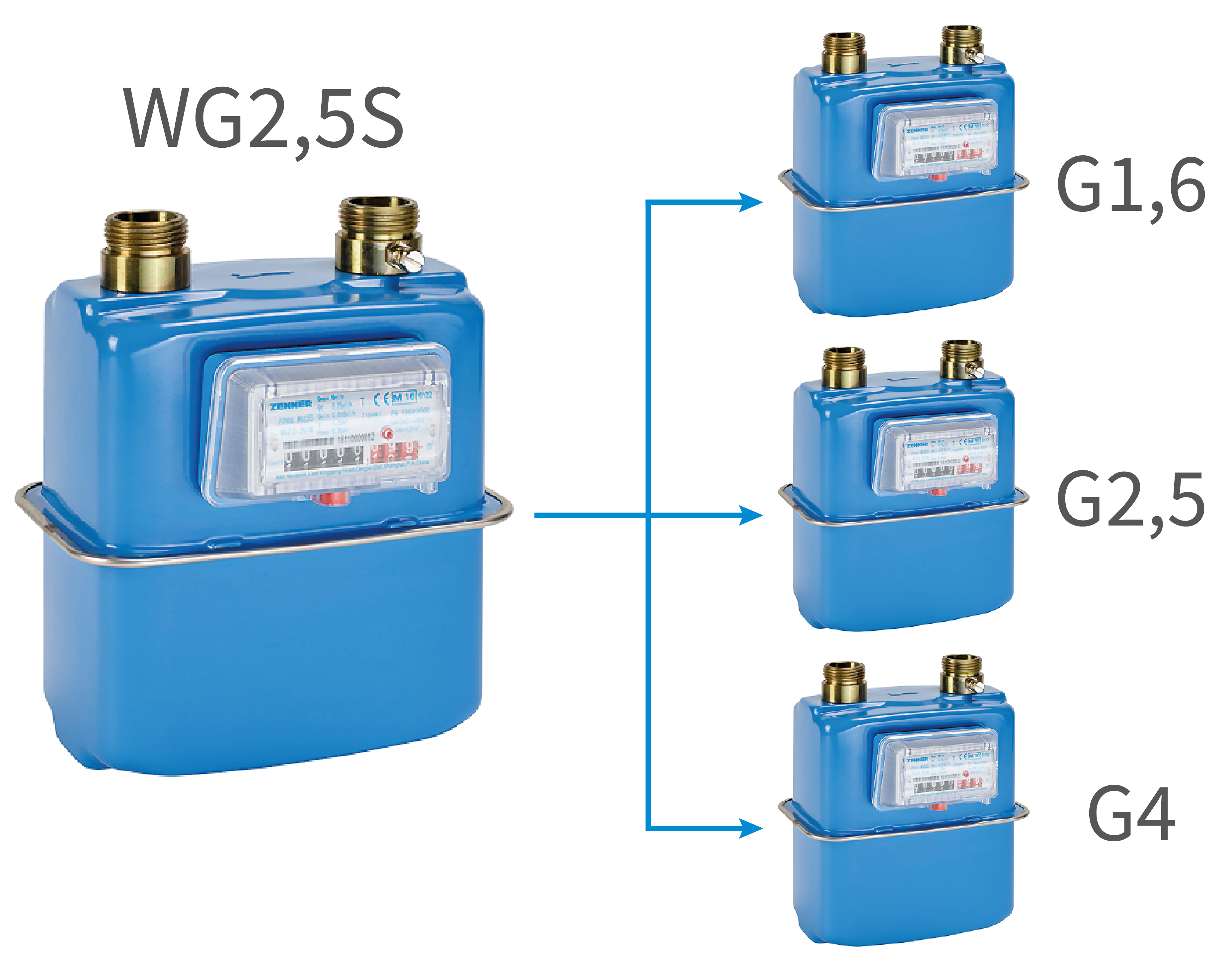
Natural gas is inherently odorless, but the addition of mercaptan ensures that leaks can be detected by smell. According to Campbell, any sulfur-like scent should be treated as an emergency rather than dismissed as a minor issue. Beyond smell, auditory cues such as whistling or hissing near meters and valves often signal compromised connections. Outdoors, homeowners should monitor their yards for unusual patterns of dead or discolored vegetation, which frequently indicate a leak in a buried line traveling directly above the pipe.
Responsibility for the gas system is split between the utility provider and the property owner. Utility companies manage lines up to the meter, while the interior piping is the homeowner's liability. When a leak is suspected, immediate evacuation is the only safe protocol. Once the utility provider secures the exterior, licensed professionals must handle interior repairs. In New York State, all modifications require professional oversight, permits, and rigorous pressure testing to ensure the system meets local safety codes.
Aging infrastructure remains the primary culprit for leaks, particularly in older homes where galvanized or black iron pipes have reached their service limits. Corrosion and cracked flexible appliance connectors are common failure points. Campbell advises that proactive maintenance—especially before beginning renovations or adding new gas appliances—is essential. Properly sizing a system and securing professional inspections before construction begins prevents long-term reliability issues and avoids the safety risks associated with unauthorized or amateur repairs.

Comments (0)
No comments yet. Be the first!