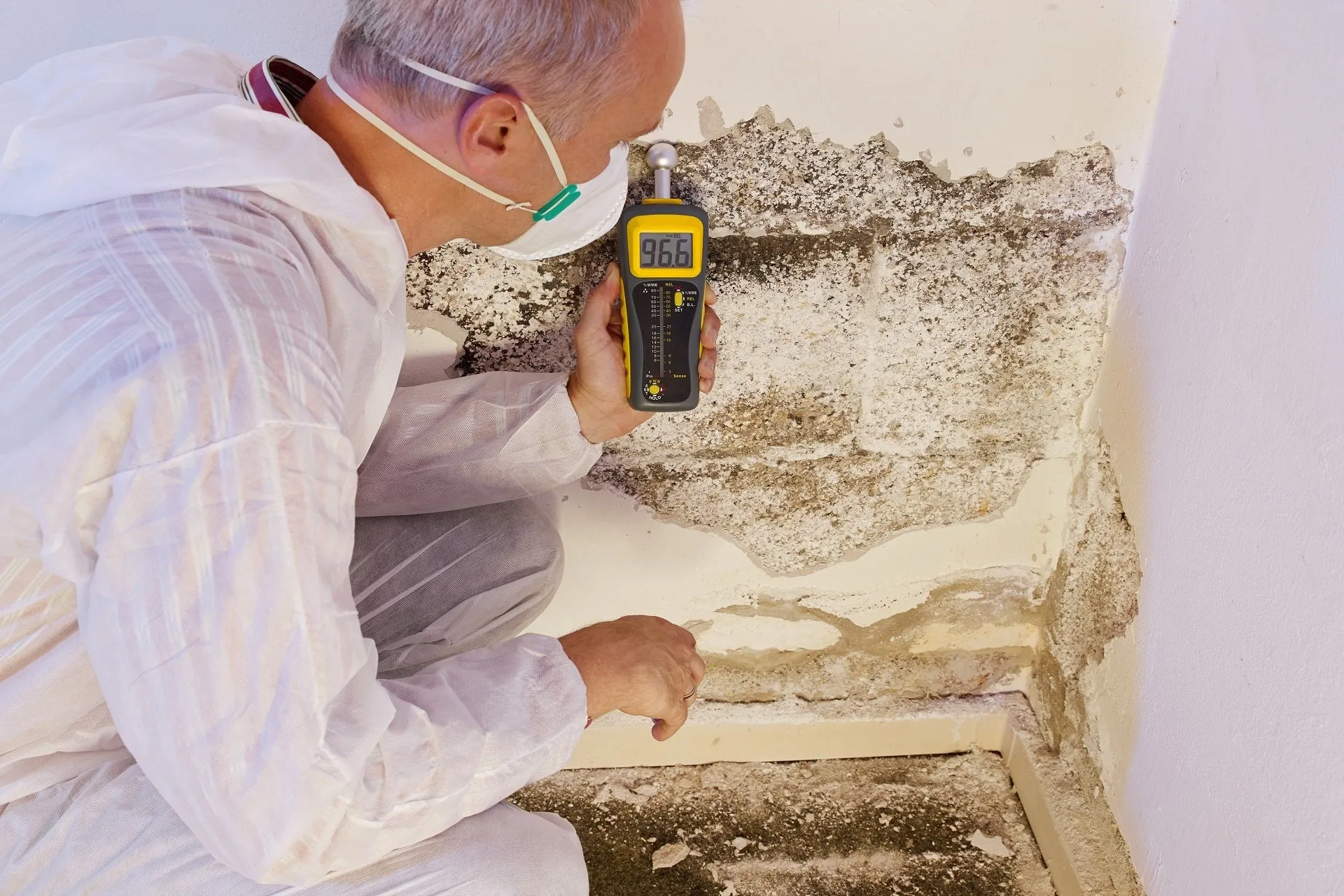
An inspection centers on the physical environment, focusing on visible growth, humidity levels, and structural vulnerabilities. Professionals examine properties for plumbing leaks, roof defects, and condensation, as these moisture sources act as the primary catalysts for fungal development. By locating these issues, inspectors can often provide enough actionable information to begin remediation without further diagnostic steps.
Conversely, mold testing involves the collection of air or surface samples to quantify concentrations and identify specific mold types. This process provides a snapshot of conditions at a precise moment, yet it often lacks context if performed in isolation. Testing proves most effective when it serves as a supplement to a thorough inspection, particularly when contamination remains hidden behind walls or beneath flooring. Relying on lab results alone may obscure the underlying moisture problem that continues to fuel growth. Prioritizing a professional inspection ensures that property owners address the source of the contamination rather than merely documenting its presence.


Comments (0)
No comments yet. Be the first!