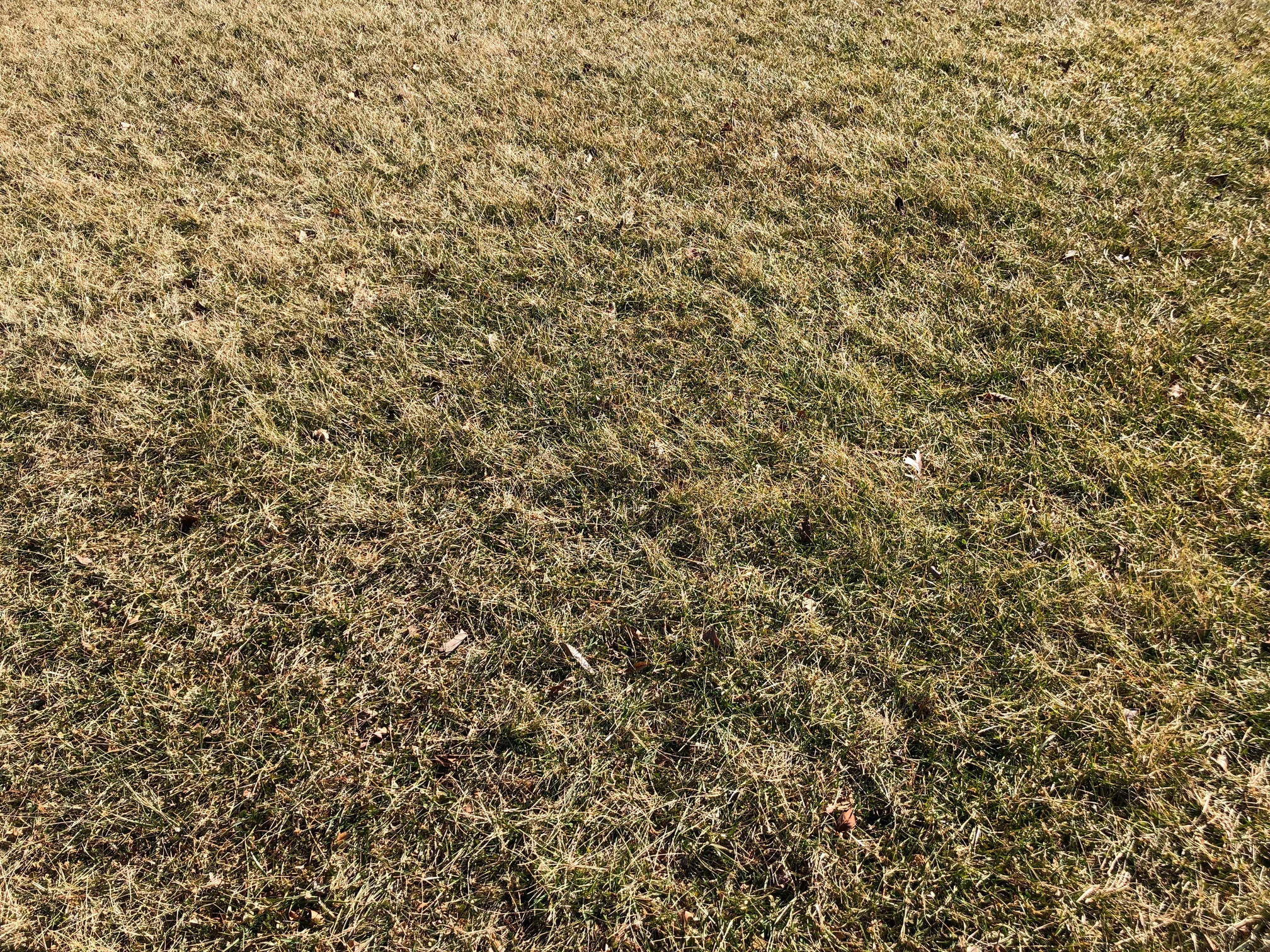
Dormancy acts as a seasonal pause for these grasses, allowing them to conserve vital resources during the unfavorable conditions of late fall and winter. James Tatum, Director of Operations at Dr. Green Services, emphasizes that while the grass loses its aesthetic color above ground, the plant remains alive and protected beneath the surface until warmer weather returns. Texas A&M AgriLife Extension supports this view, noting that the color change often follows the first frost.
Homeowners should adjust their maintenance routines to match the lawn’s reduced metabolic state. Irrigation needs decline significantly as growth slows, requiring owners to rely more on rainfall and soil conditions than strict watering schedules. Applying nitrogen-heavy fertilizer late in the season is discouraged, as it can force growth when the plant is trying to prepare for rest. As the green canopy fades, existing issues like bare spots or invading winter weeds may become more prominent, but these are distinct from the dormancy process itself.



Comments (0)
No comments yet. Be the first!