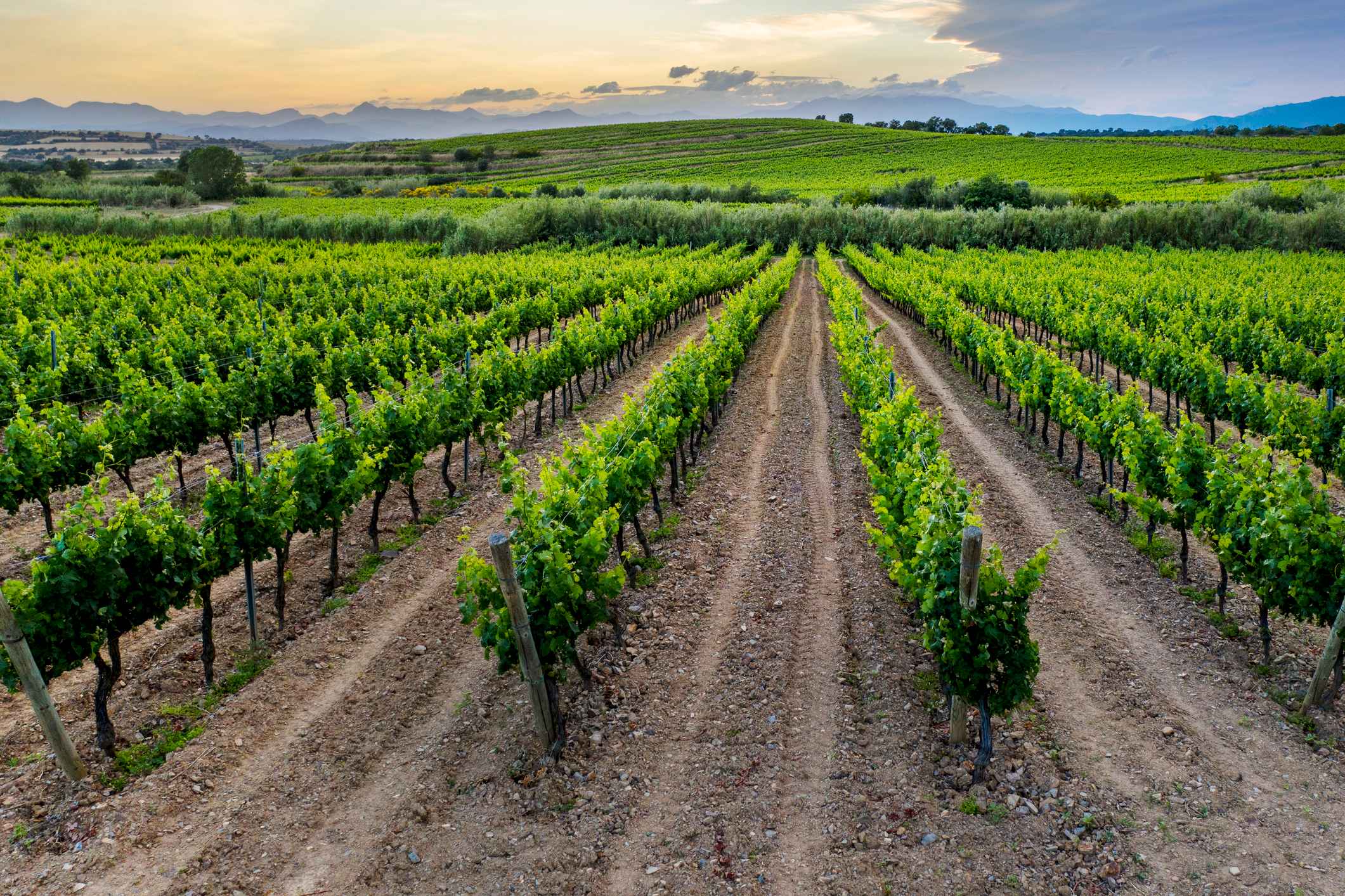
In Abruzzo, high summer temperatures forced an early start to the 2026 season. Producers began picking Pecorino in early August, carefully balancing the need for freshness with the sugar development of later-ripening varieties like Montepulciano. Alessandro Nicodemi, president of the Consortium for the Protection of Wines of Abruzzo, emphasized that the goal for this vintage is to prioritize quality and value over sheer volume as the region navigates shifting weather patterns.
Across the Mediterranean in Imathia, Greece, the focus remains on the Hayward kiwi. Growers here eschew simple calendar dates, instead monitoring fruit maturity through strict technical benchmarks. The harvest, beginning October 15, requires a minimum of 6.2° Brix or 15% dry matter content. This technical approach ensures that the fruit retains its signature sweetness and texture when it reaches markets in November.
Meanwhile, Bordeaux is seeing a promising year for its golden wines. Following intense heatwaves that began in June, the harvest commenced in mid-September to capture vibrant acidity in early-picked, raisined grapes. According to oenology consultant Marie-Laurence Porte, the arrival of morning fogs in late September has since facilitated the development of noble rot, setting the stage for a vintage defined by a balance of body, volume, and candied fruit notes. These regional efforts, supported by the EU-funded Charming Taste of Europe initiative, underscore the role of human expertise in translating the unique conditions of the 2026 growing season into distinct agricultural products.



Comments (0)
No comments yet. Be the first!