Pipes located in unheated zones—such as garages, attics, or basements—remain at the highest risk. External walls also pose a significant threat as they offer little insulation against plunging temperatures. Daniel Fuentes, co-founder of Cardinal Plumbing Heating & Air, notes that even minor fractures can escalate into major disasters because water expands significantly upon freezing, placing immense pressure on compromised joints.
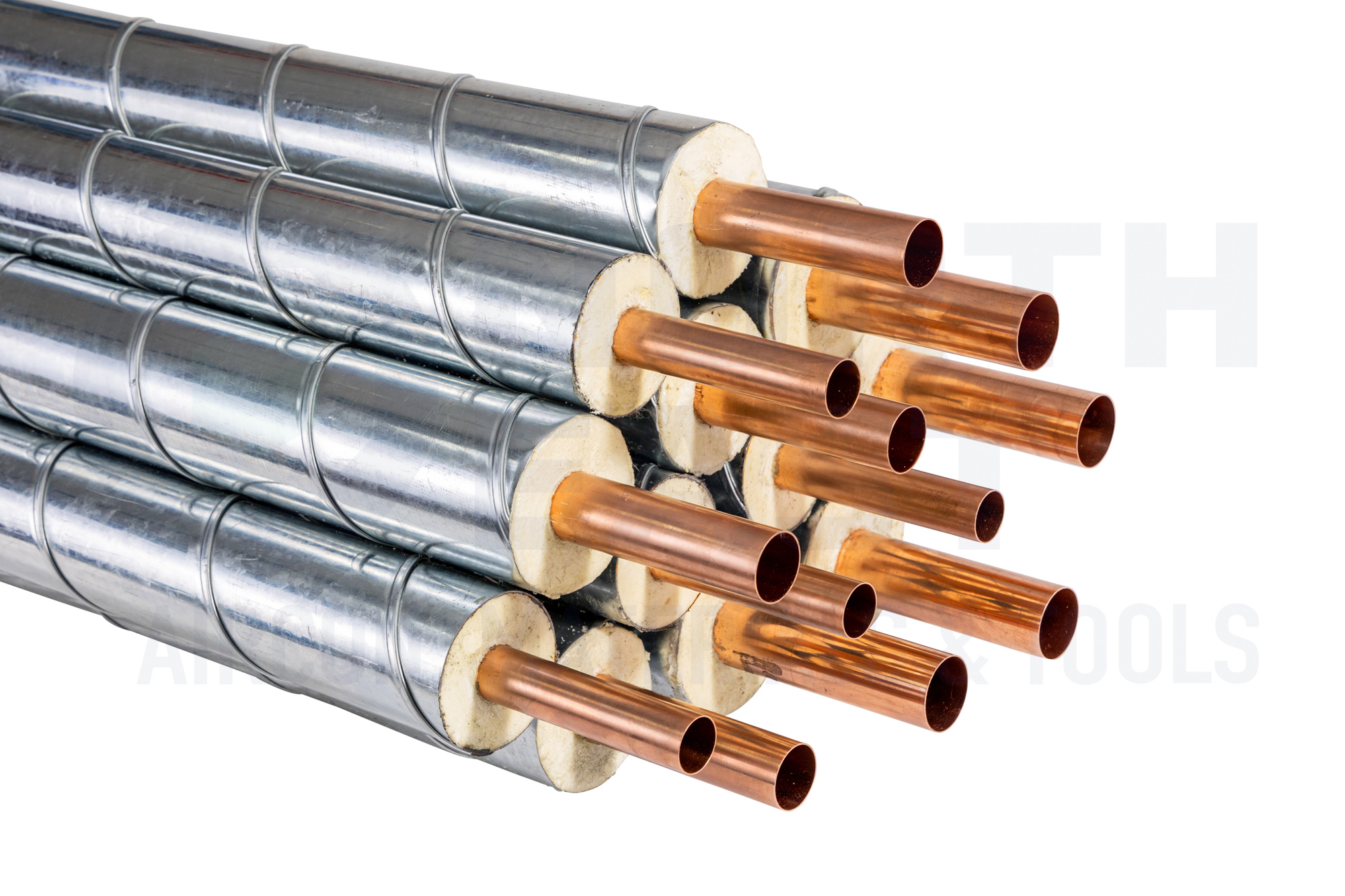
To mitigate these risks, homeowners should install foam insulation tubes around exposed lines and seal any gaps in building envelopes that allow cold air to reach internal plumbing. Those who have experienced frozen pipes in previous years should prioritize inspecting those specific areas for lingering weaknesses. While DIY preparation helps, professional maintenance remains the most effective safeguard. Routine inspections allow technicians to utilize advanced detection tools to identify hidden vulnerabilities, stopping potential leaks before they cause thousands of dollars in water damage.


Comments (0)
No comments yet. Be the first!